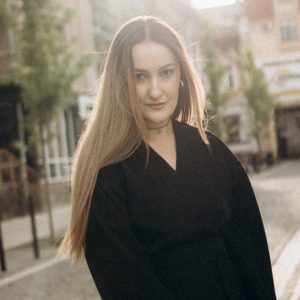
I kept seeing the same thing in the salon chair next to mine: a soft brown base, a sweep of warm blonde, and a face that looked ten times brighter. Summer Balayage 2027 isn’t about going platinum or chasing a trend. It’s about making your colour look like it grew that way.
These 30 ideas range from a quick root shadow to a full six-hour appointment, and they work for fine hair that goes flat by 4 pm, thick hair that needs weight removed, and every face shape in between. Some need a trim every eight weeks. Others let you walk away for three months. I booked one of them myself after writing this.
Rich Brown With Voluminous Warm Blonde Balayage
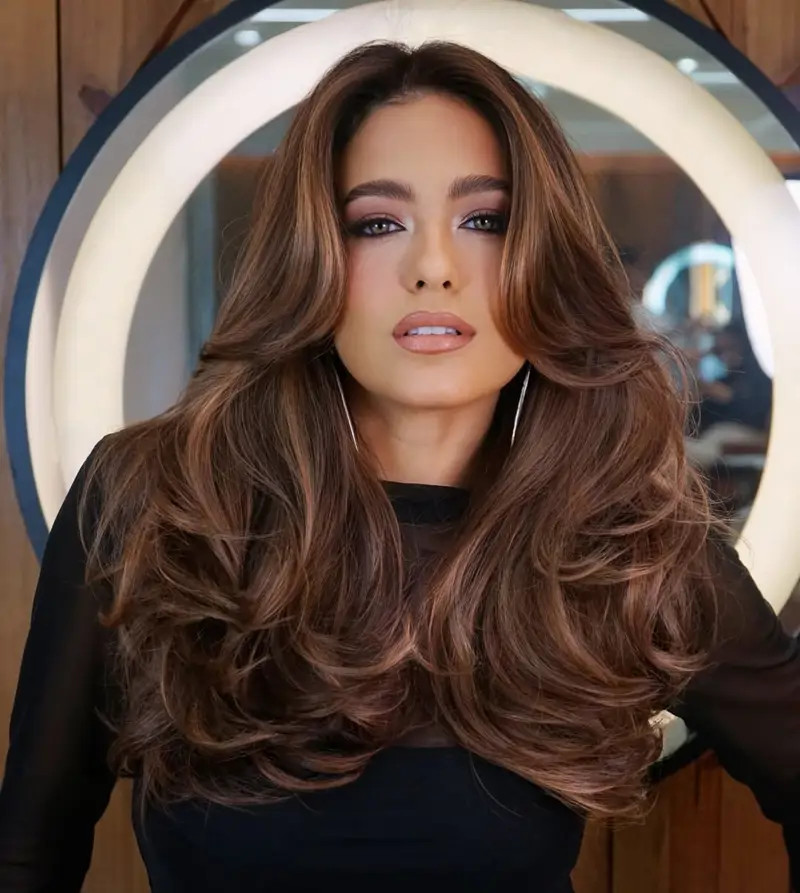
That voluminous blowout is the whole point, and it takes a solid 20 to 25 minutes with a round brush. The warm blonde balayage on brown catches light at the ends while the rich brown base keeps the roots from screaming for attention at week five. This is a color that asks for thick, wavy hair and a middle part that widens a round face. The balayage itself needs a refresh every 10 to 12 weeks. Be careful with heat on those lighter pieces, they remember everything.
Ash Blonde Balayage With Long Layers
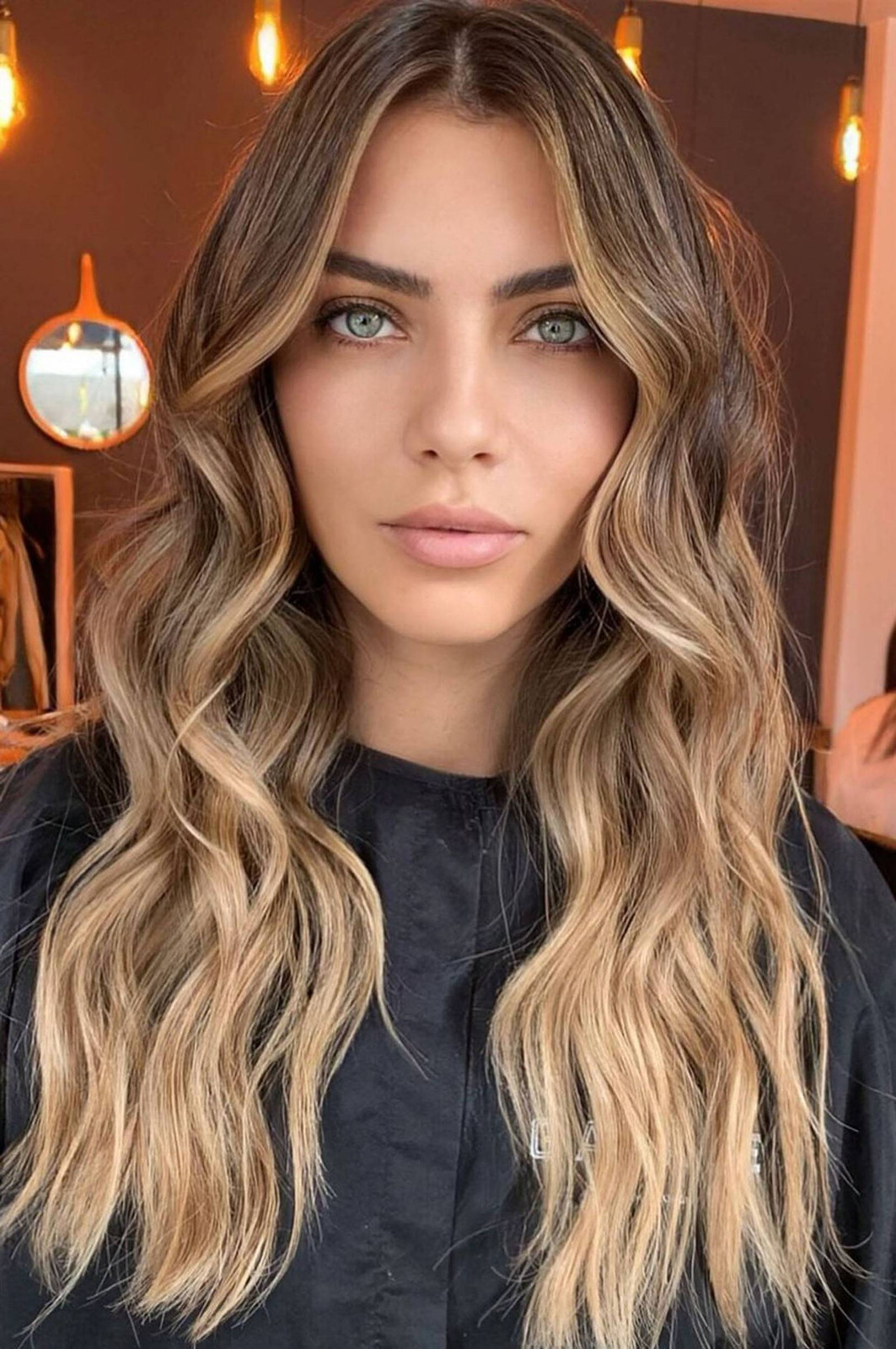
Ash blonde balayage wins over warm tones if you want your color to read cool and clean past the first wash. The subtle balayage here stays low on the shaft, so the mid-back length keeps a soft root that does not look grown out for weeks. Curtain bangs and long layers frame the face without losing density, which matters for medium-density hair that goes flat by 4 pm. Styling takes about 10 minutes with loose waves and a heat protectant. The catch: ash needs a toner touch-up every 6 to 8 weeks, or warmth creeps in around week five and you are suddenly not cool anymore.
Chin Bob With Caramel Balayage
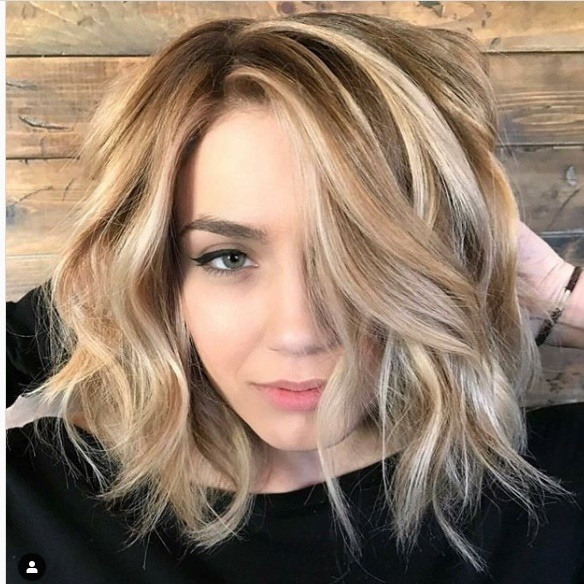
How does a chin bob get depth without looking heavy? The caramel balayage bob starts with a medium brown base, then the stylist paints caramel pieces through the mid-lengths and ends, leaving the root area dark. The side-swept bangs catch the lighter tones first, which draws attention upward and softens a square jaw. Wavy, medium-density texture holds the shape without needing a full blowout, about 15 minutes with a texturizing spray. The bob itself needs a trim every 6 weeks to keep the line sharp, but the balayage only needs a touch-up every 8 to 10 weeks. Ask your stylist to keep the caramel pieces fine and spaced, not chunky.
Collarbone Waves With Honey Blonde Balayage
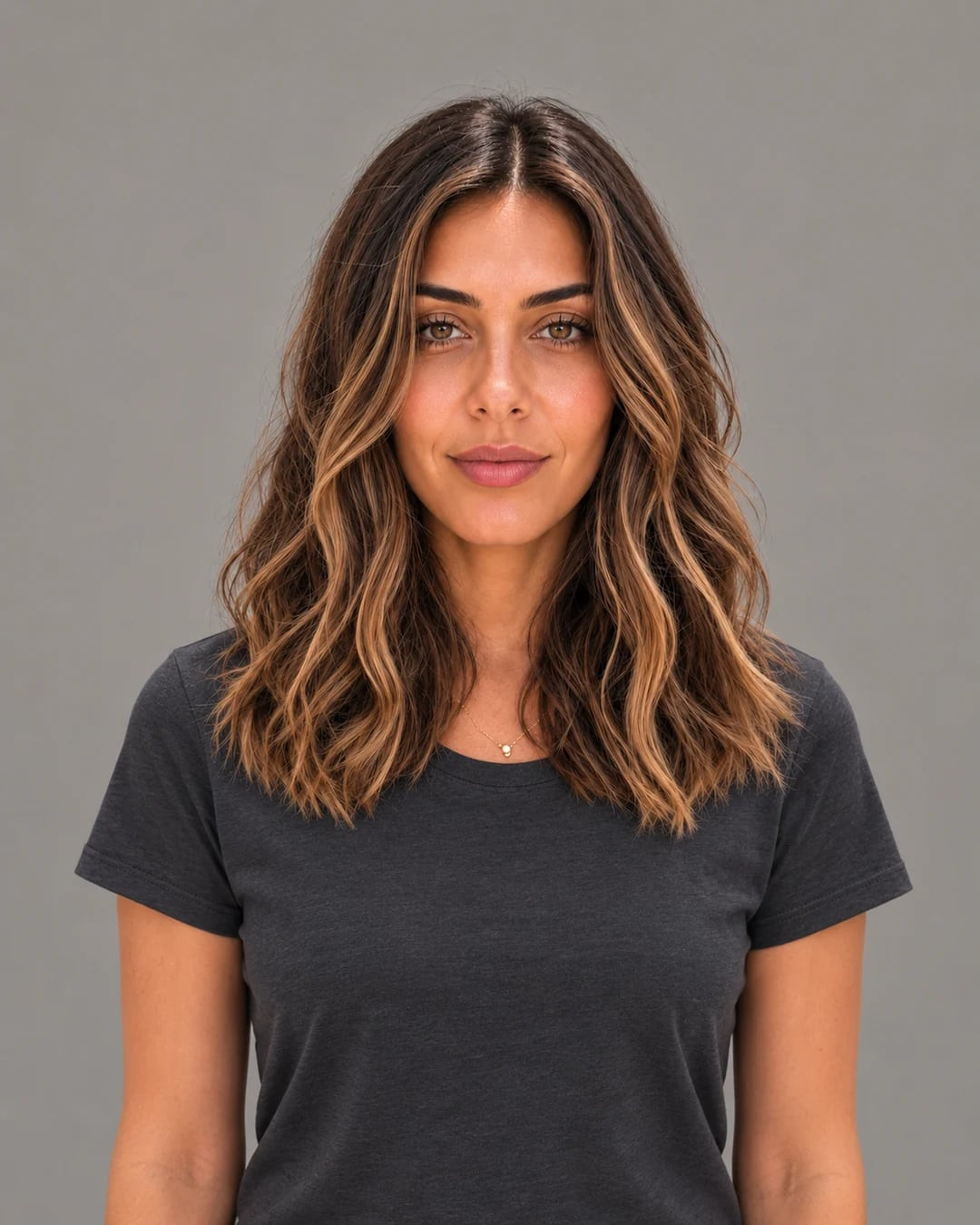
I will admit it: I saved this photo before I knew what to do with it. The honey blonde balayage dark brown base is warm without being brassy, and the collarbone length lands exactly where waves actually hold their shape. A dark brown base this rich means the lighter pieces read dimensional, not fried. The middle part keeps it symmetrical, which matters when you are waving the whole head. Styling takes about 15 minutes with a medium barrel, and the waves last longer on medium density hair like this. The honest downside: the honey tone needs a touch-up every 8-10 weeks, and the layers need trimming around the same time to keep the collarbone line clean. Skip this if you want six months of grow-out without a salon visit.
Visual Idea
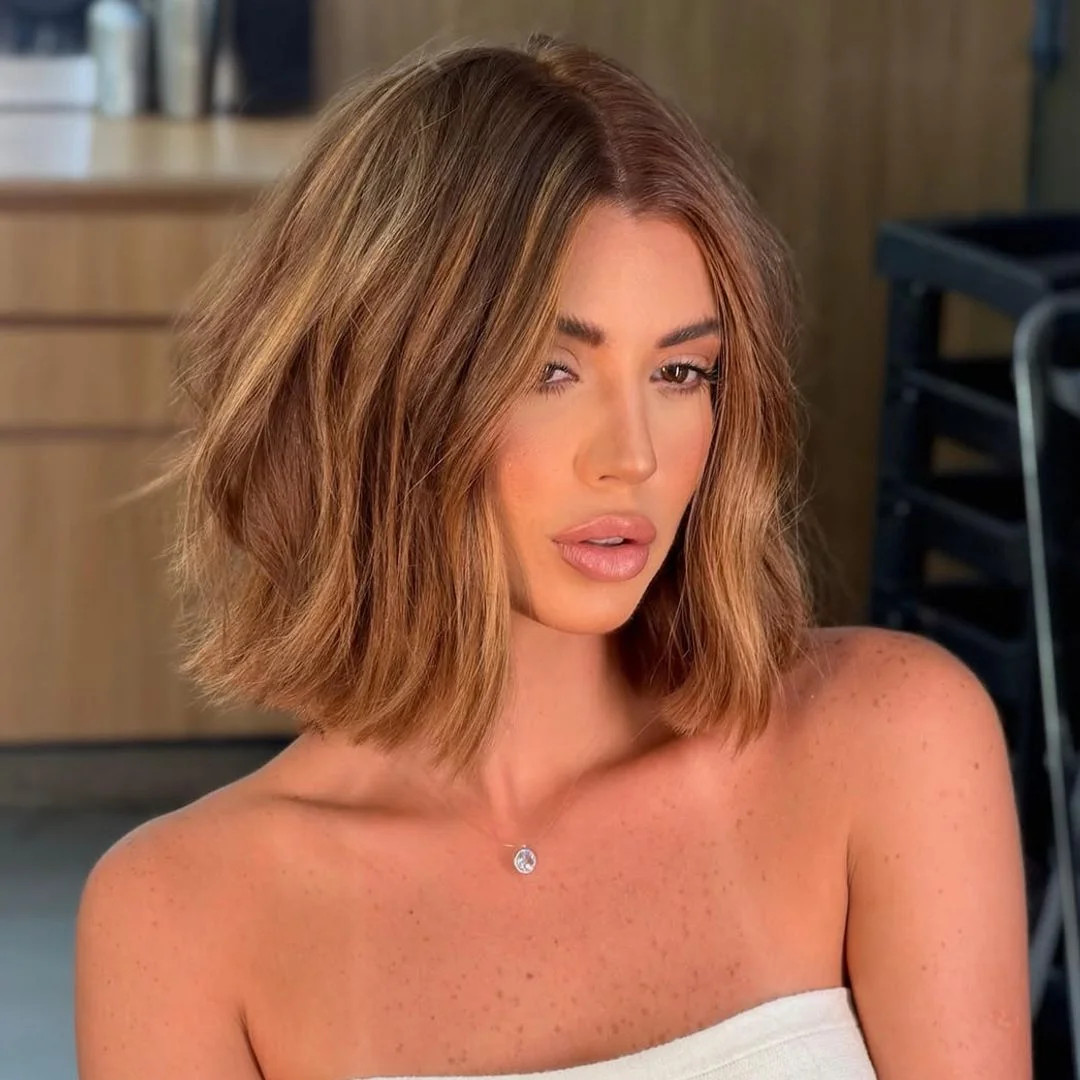
Ash blonde balayage summer is a specific choice. It is not the golden glow everyone reaches for in June, it is the cool-toned cousin that shows up in August and keeps working through September. The mid-back length here lets the balayage breathe: the light pieces start below the shoulder and fade gradually, no harsh line where the colour begins. The back view shows the seamless blend best, a soft graduation from deeper at the crown to lighter at the ends. Loose waves soften the ash tone, so it does not read flat or ashy in the wrong kind of way. The grow-out is genuinely forgiving because the root area stays darker and the transition is slow. A toner every 6-8 weeks keeps the ash from pulling green or grey, but honestly, the fade looks intentional for the first month.
Chin Visual Idea
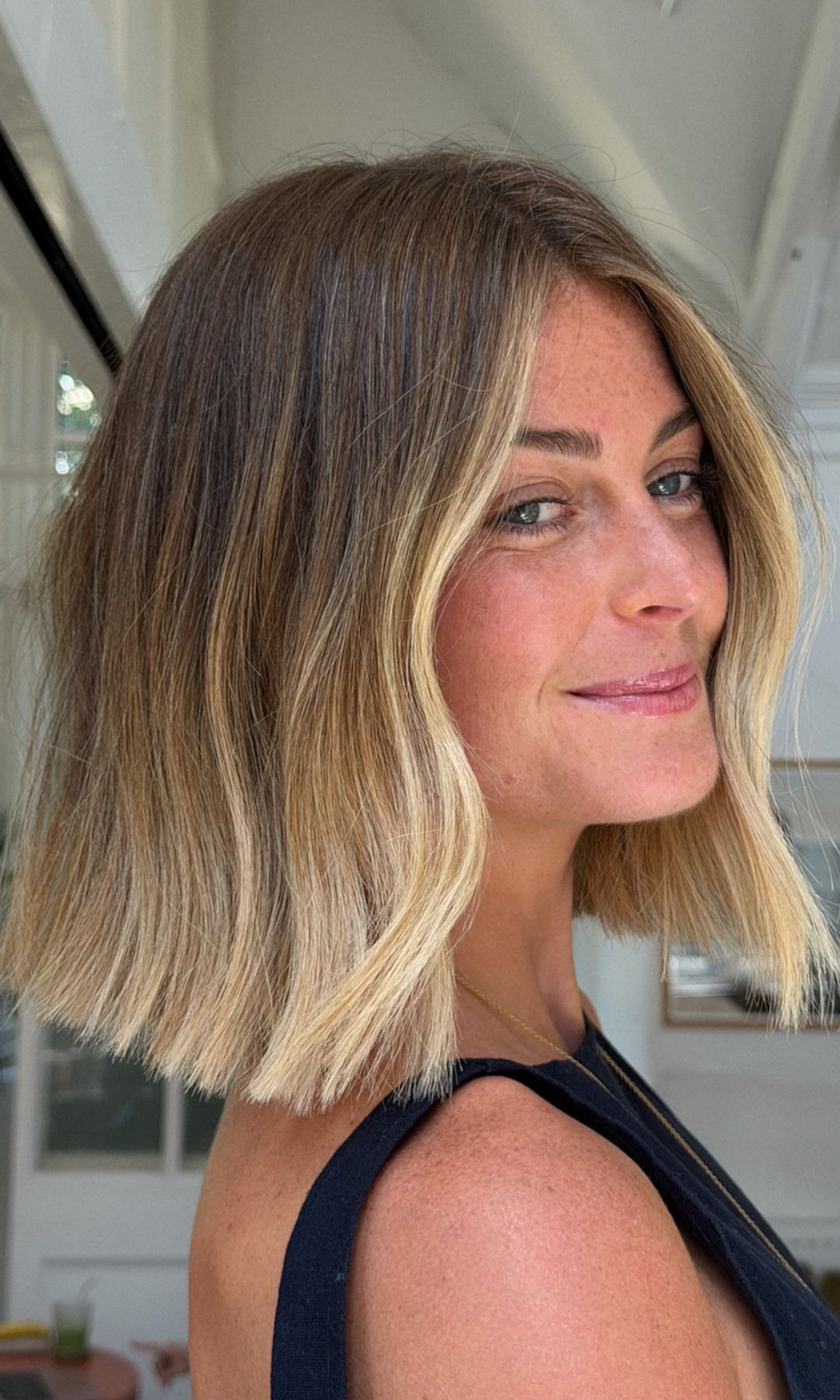
I tried a fine ash blonde bob at home once. It looked like a bad toner accident and I wore a hat for two weeks. This is the salon version. The chin length is short enough that the subtle balayage does not need to travel far to make an impact, and on fine wavy texture, the lighter pieces at the ends give the illusion of density. The side part adds volume at the crown, which fine hair needs by 2 pm. The ash tone stays cool and delicate, not muddy. A trim every 6 weeks keeps the bob sharp, and a toner every 4-6 weeks keeps the ash from warming up. This is not a bathroom-mirror job. Book it.
Mid-Back Visual Idea
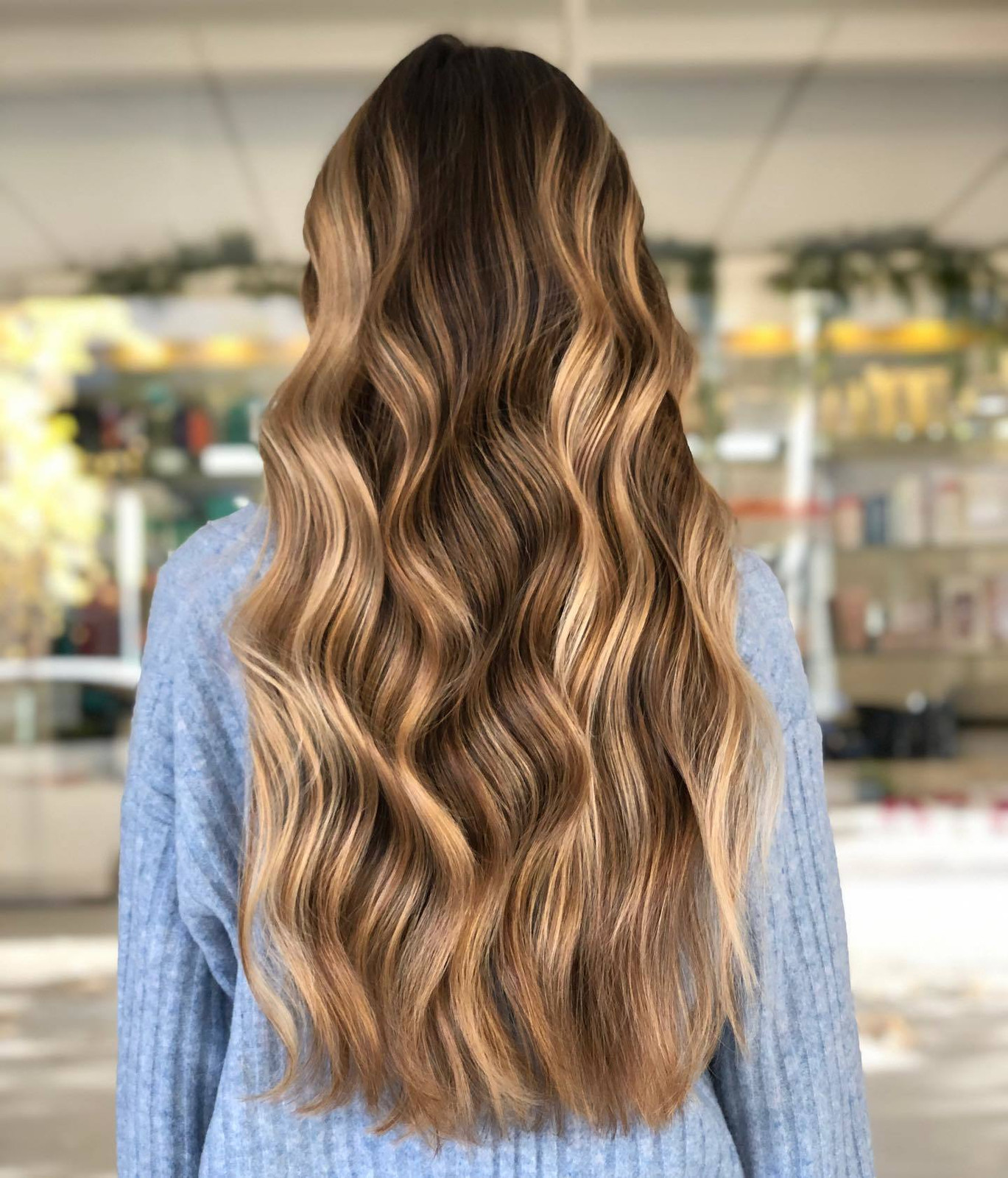
Have you ever wondered why some balayage looks like it grew that way, while others look like a decision? This honey golden balayage dark blonde on a dark blonde base is the former. The long layers let the warm honey and golden tones travel down through thick, wavy hair, and the blend is so gradual that the dimension reads as natural sunlight, not salon work. It suits thick hair because the weight of the waves carries the colour without it pooling at the ends, and the mid-back length gives the blend room to breathe. If your hair is fine, the density of the colour might overwhelm the movement, but for thick, wavy hair, this is the kind of dimension that makes a middle part look intentional.
Collarbone Visual Idea
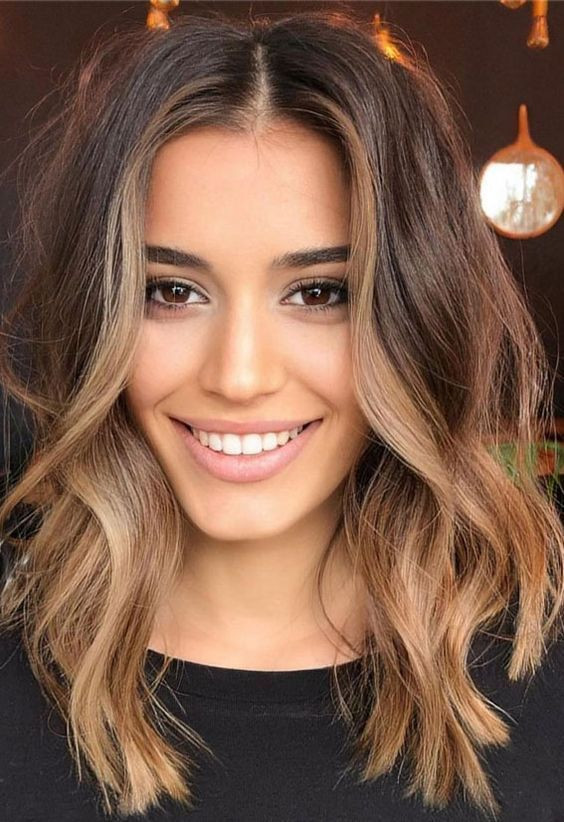
I’ll admit it: I’ve chased warm caramel tones before and ended up with a brassy mess by week three. This caramel balayage dark brown on a dark brown base is the version that tempts me again, but only if you’re ready to maintain it. The collarbone length keeps the colour close to the face, which means any warmth that shifts toward orange is immediately noticeable. The wavy texture helps diffuse the tone, but medium density hair will show the brassiness faster than thick hair. The honest downside: caramel needs a toner refresh every 8 to 10 weeks, and if you skip it, the warmth turns coppery in a way that reads as accidental. Book the upkeep or skip the caramel.
Long Layers Visual Idea
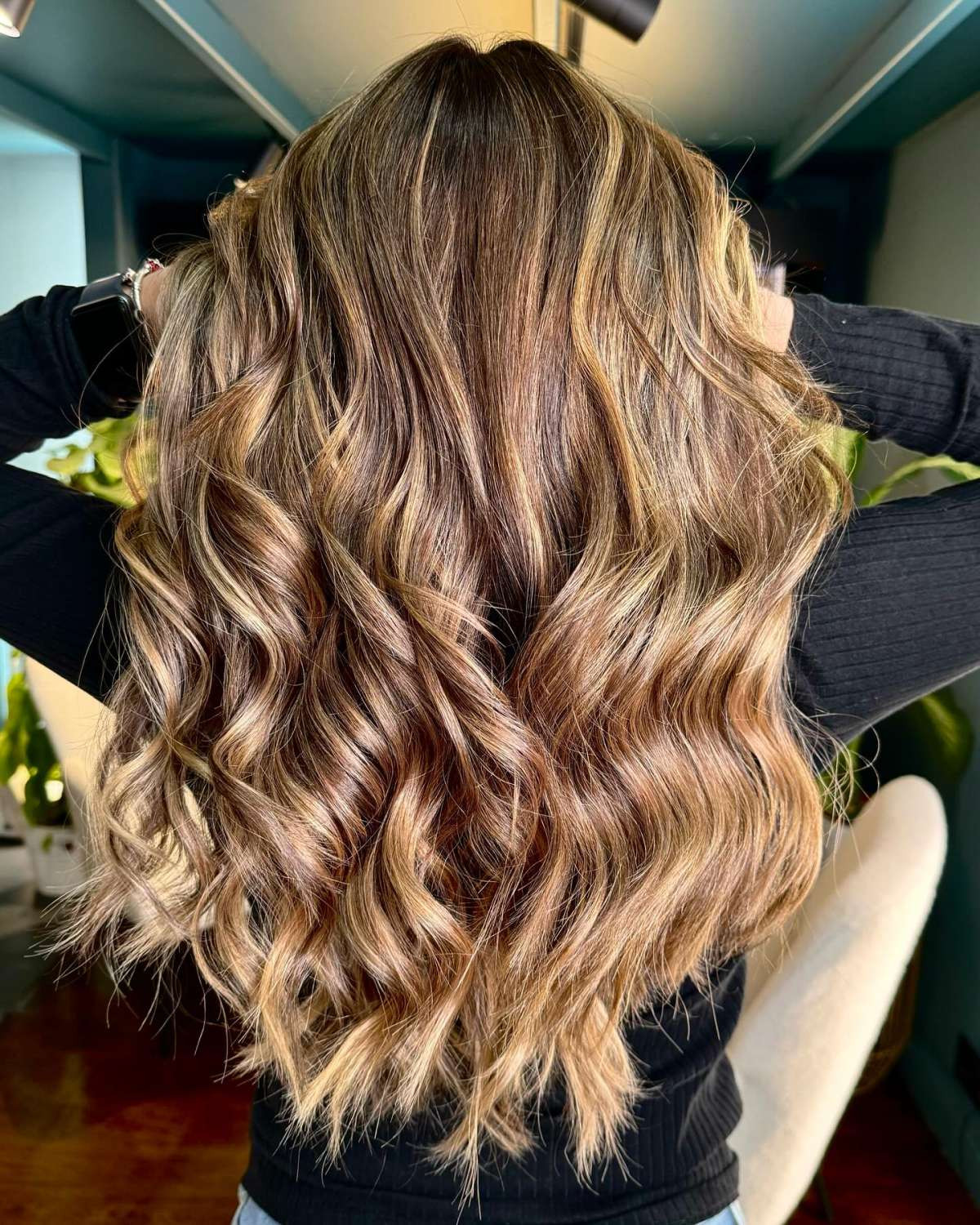
You’re standing in the drugstore aisle, staring at a box dye, and you think: maybe I can just paint some golden caramel balayage on my own dark brown base. I get it. But here’s the thing about balayage: it’s a technique, not a colour. The reason this golden caramel balayage looks dimensional is that the lightener is painted in sweeping motions that follow the natural fall of the hair, and the long layers are cut to let those highlights catch the light. At home, you can approximate it with a highlighting kit and a steady hand, but you’ll need a friend for the back sections and a mirror for the crown. The aftercare is where the DIY gets tricky: a purple shampoo keeps the golden tones from turning brassy, but you have to use it once a week, not once a month. The grow-out is forgiving because the dark brown base hides the roots, but the ends will need a trim every 10 to 12 weeks to keep the loose curls from looking ragged. If you’re going to try it, watch a tutorial first, and accept that it won’t be as seamless as the salon version. It’ll be close, though, and that’s not nothing.
Lob Visual Idea
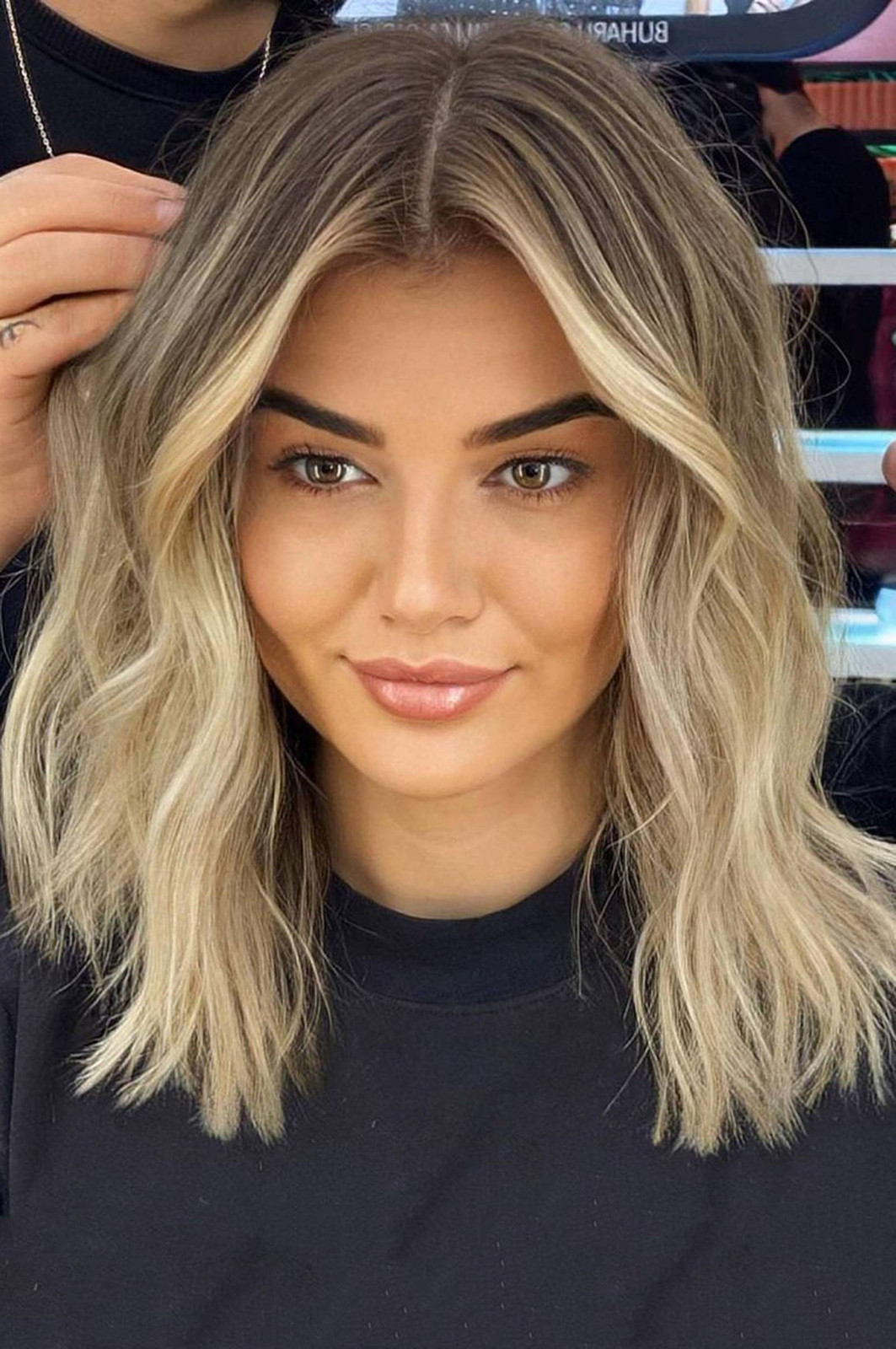
The curtain bangs frame the face, but the bright blonde balayage lob is the real headline here. That dark blonde base means the roots will announce themselves by week five, not week eight. This is a lob that needs a trim every six weeks and a colour appointment every ten. The wavy texture hides the grow-out line for maybe an extra week, then you are booking. I have done the math. The payoff is a lob that catches light from every angle, but the upkeep is not subtle. If you want low maintenance, pick a softer blonde. If you want this specific brightness, know what you are signing up for.
No Bangs Visual Idea
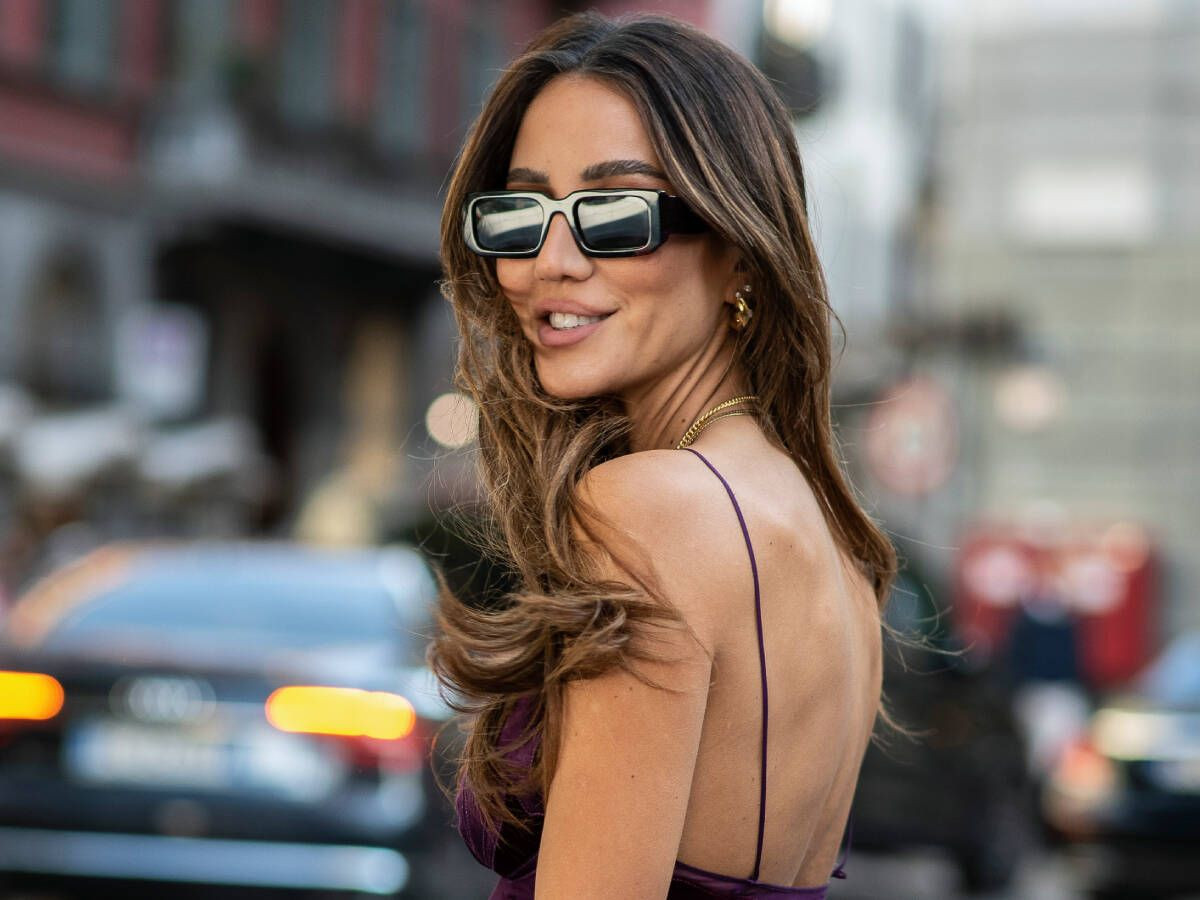
This is the summer shade that does not fight you. The subtle blonde balayage medium brown base grows out like a dream, no harsh line, no panic at week six. The medium brown base keeps it grounded, the blonde just catches the ends and a few face-framing pieces.
Long layers keep the weight moving, and the loose waves give it that air-dried texture that reads as intentional without an hour of work. No bangs means no midday fringe separation, no awkward grow-out phase. This is a colour that works with your schedule, not against it. I would wear this from May through September with one refresh in July and call it a season.
Shoulder Visual Idea
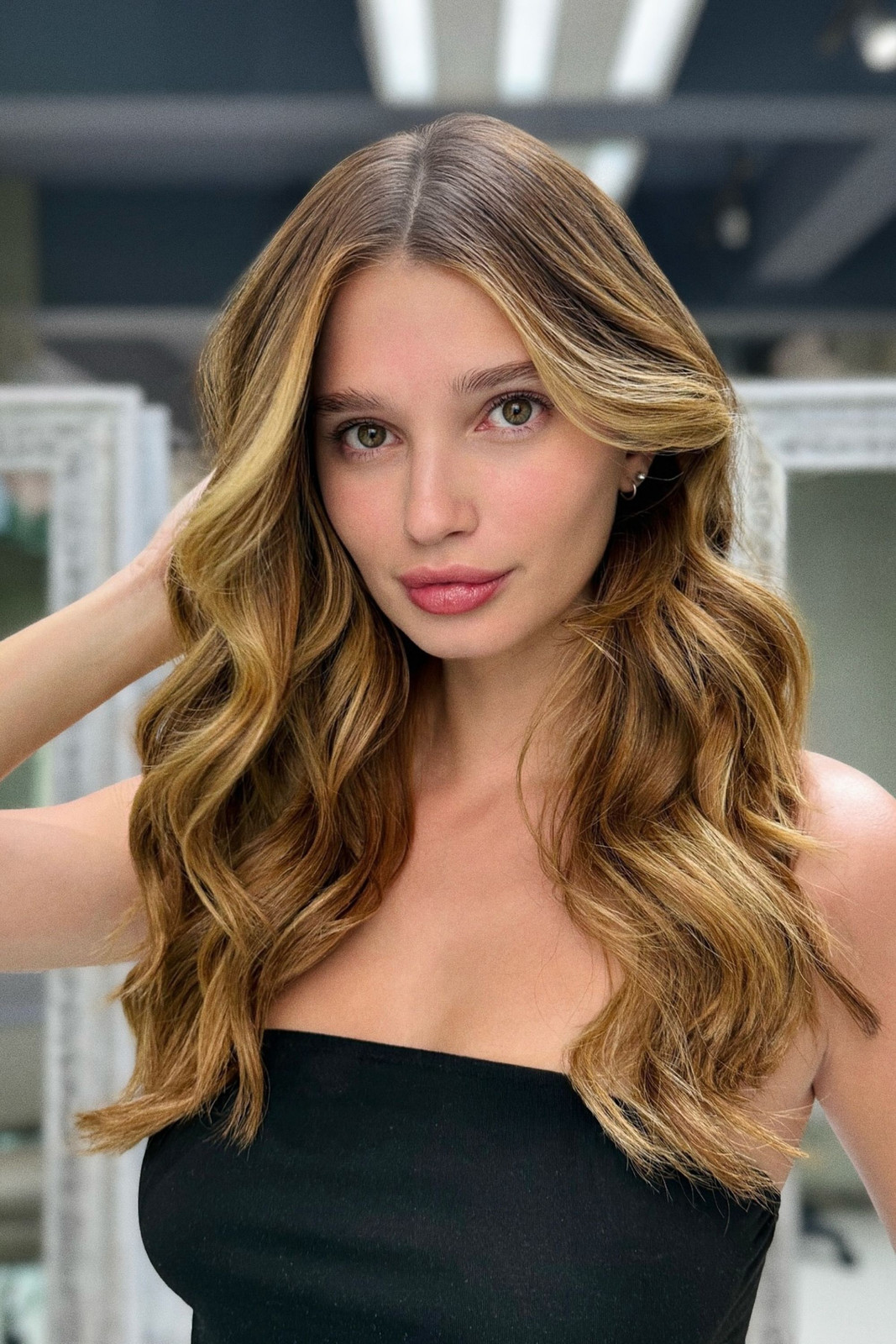
A warm, sun-kissed golden blonde balayage shoulder length cut. That is the sentence you say in the chair. Ask for a golden blonde base with lighter pieces painted through the top and the front, nothing underneath. The side part and loose waves give it movement, the layers keep the shape from falling flat by lunch. This works best on medium to thick hair, fine hair will need a curl cream to hold the wave. The toner is the thing that will fade first, so plan a gloss at week six if you want that brightness to last. Shoulder length is the sweet spot for this technique, long enough to show the dimension, short enough to style in ten minutes.
Back View Visual Idea
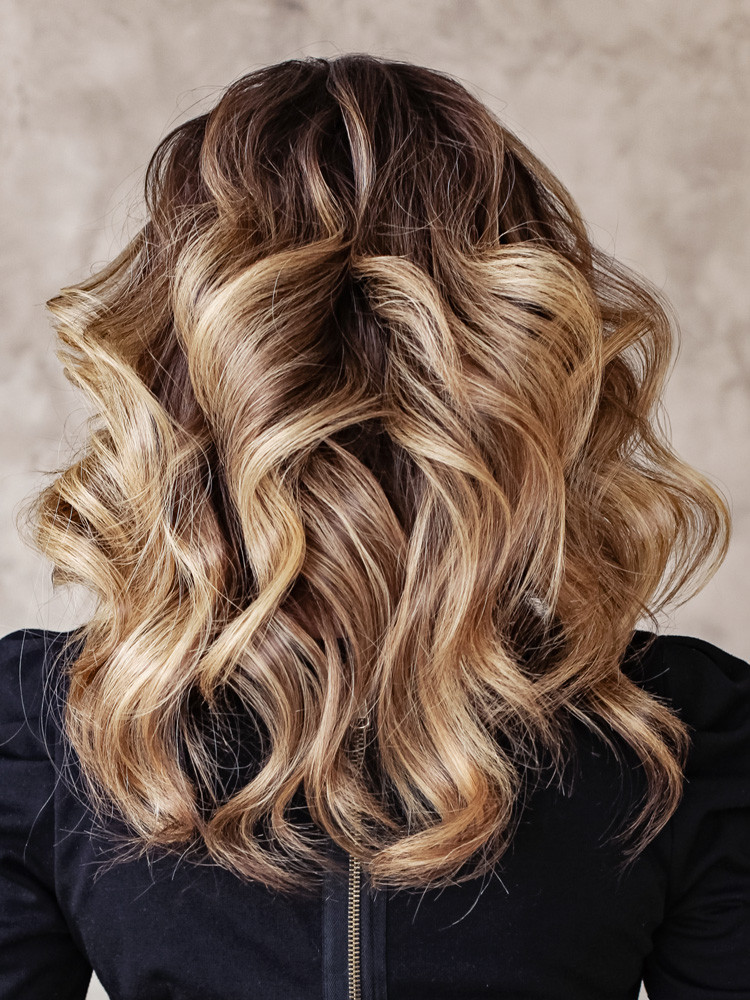
Why does a honey blonde balayage lob hit harder from the back? Because the contrasting highlights sit in thick bands, not whisper-thin ribbons. That medium brown base stays dark at the root, then the honey pieces jump forward like deliberate brushstrokes. The effect is dramatic, sure, but here is the honest downside: those chunky highlights show every new inch of growth. By week five the root line reads as a hard stripe, not a soft shadow. The lob holds its shape for about six weeks before the ends start to feel blunt in a bad way. Worth it for the back-view payoff, just budget for the upkeep.
Layers Visual Idea
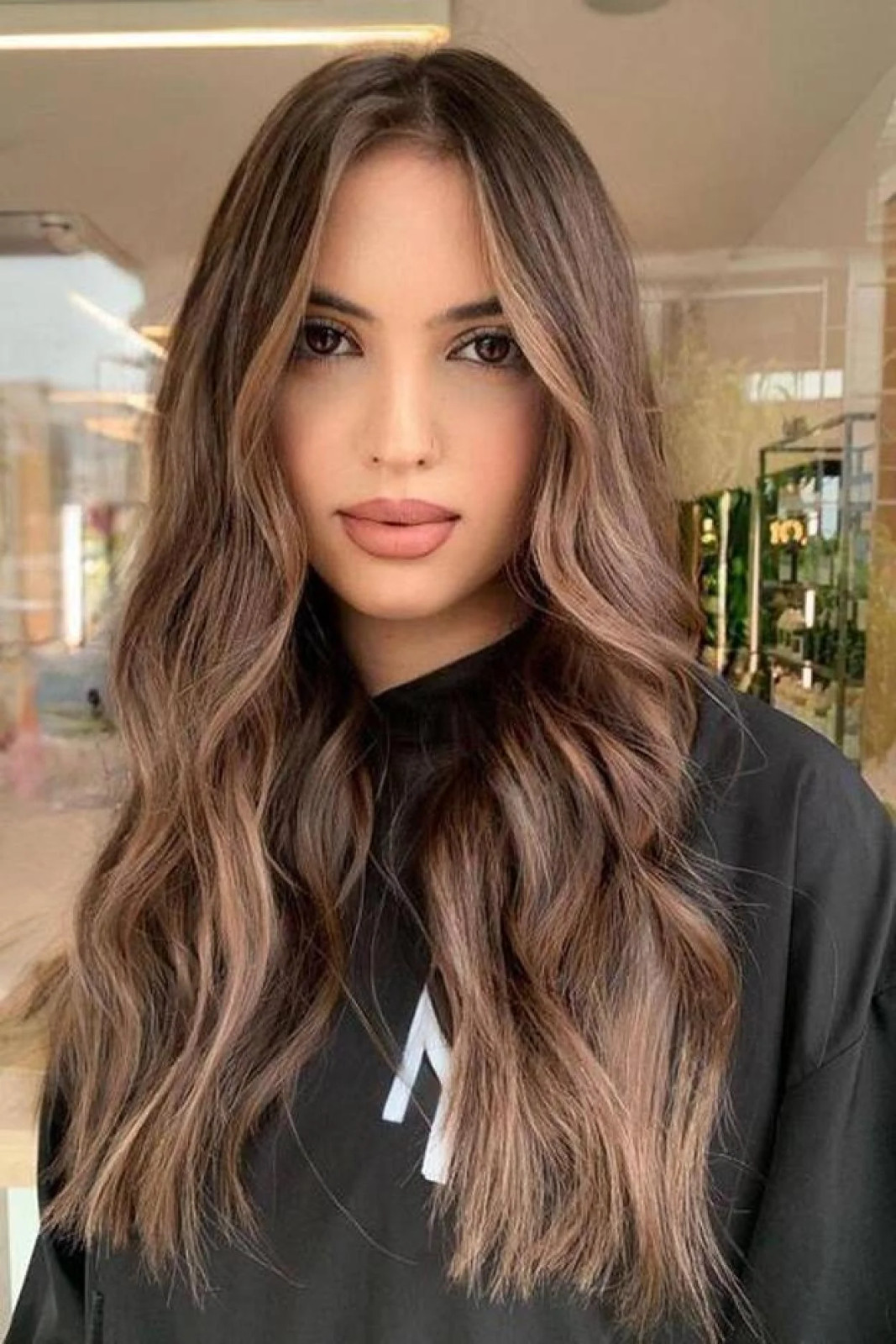
The ash blonde balayage shoulder does not fight the curtain bangs, it follows them. The technique places the lightest pieces right where the fringe feathers out, so the colour and the cut move as one unit. That medium brown base underneath keeps the whole thing from washing out. The waves are loose, the density is medium, and the blend is seamless enough that you forget there is bleach involved. Until the toner fades, that is. Plan a toning appointment every six to eight weeks or the ash shifts greenish. The cut itself only needs a trim every eight weeks, which is generous for a shoulder-length shape.
Middle Visual Idea
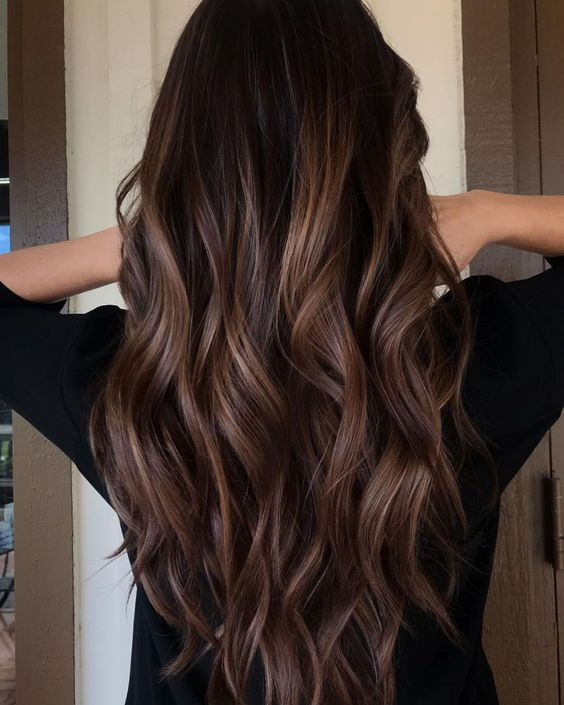
This warm brown balayage dark brown base is the kind of grow-out you forget to worry about. The dark brown base runs deep, almost black in low light, and the warm brown and caramel pieces climb up in soft ribbons. On thick, wavy hair the multi-tonal effect stays readable for weeks. The waves loosen by day three, sure, but the colour still looks deliberate.
Upkeep is light. The balayage needs a refresh every ten to twelve weeks, and the long layers hold their shape without a trim for at least that long. A smoothing serum helps the thick texture lie flat on humid days. The middle part works because the colour is balanced on both sides. No awkward stripe down the centre.
Front View Visual Idea
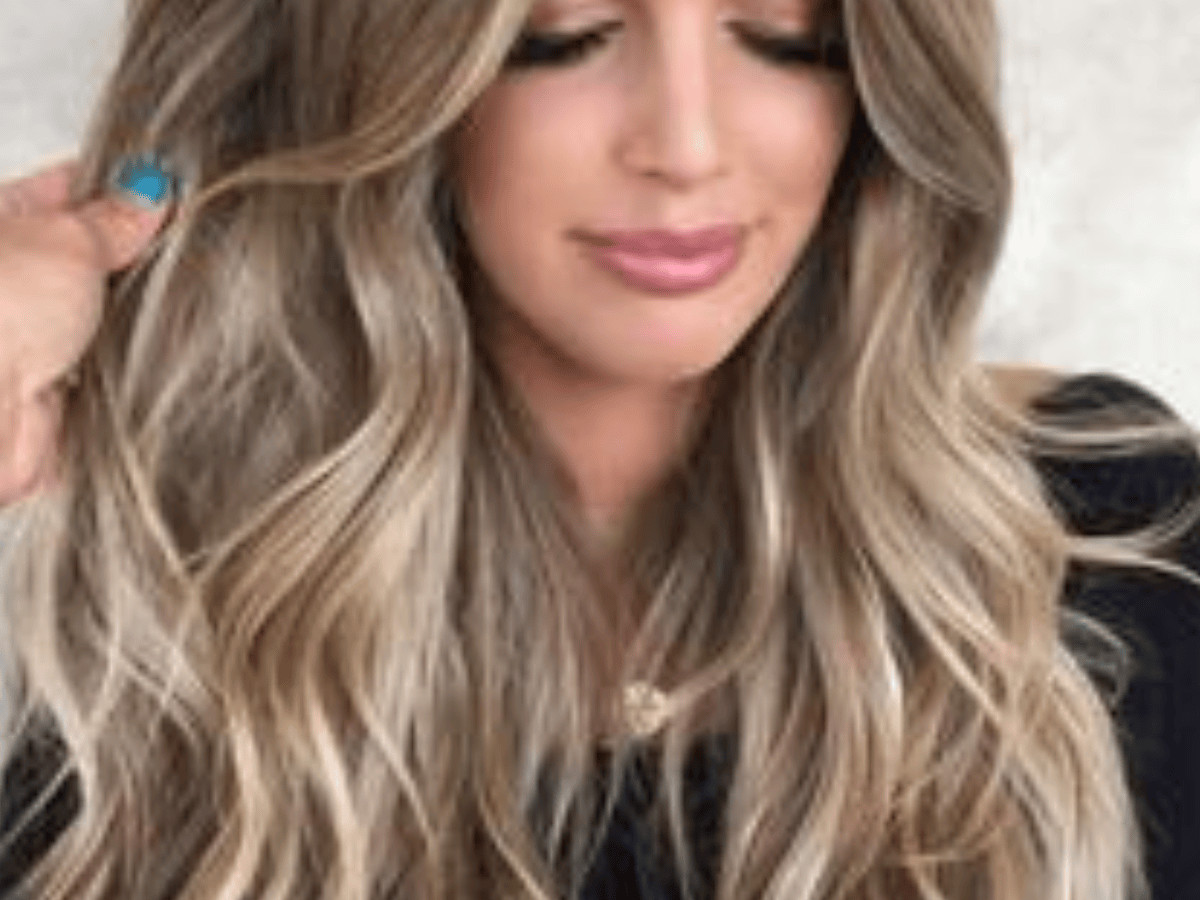
There is a specific kind of light in late July that makes honey blonde balayage look like it was painted by hand with summer in mind. This version starts at a light brown base and lifts into warm, golden pieces that hit the mid-back length. The middle part keeps the placement balanced, and the loose curls catch the light at every angle. Thick, wavy texture holds that curl shape through a beach day. The honey blonde balayage light brown base reads blended, not stripey, which is the whole point of paying a colourist.
Front View Slightly Angled Visual Idea
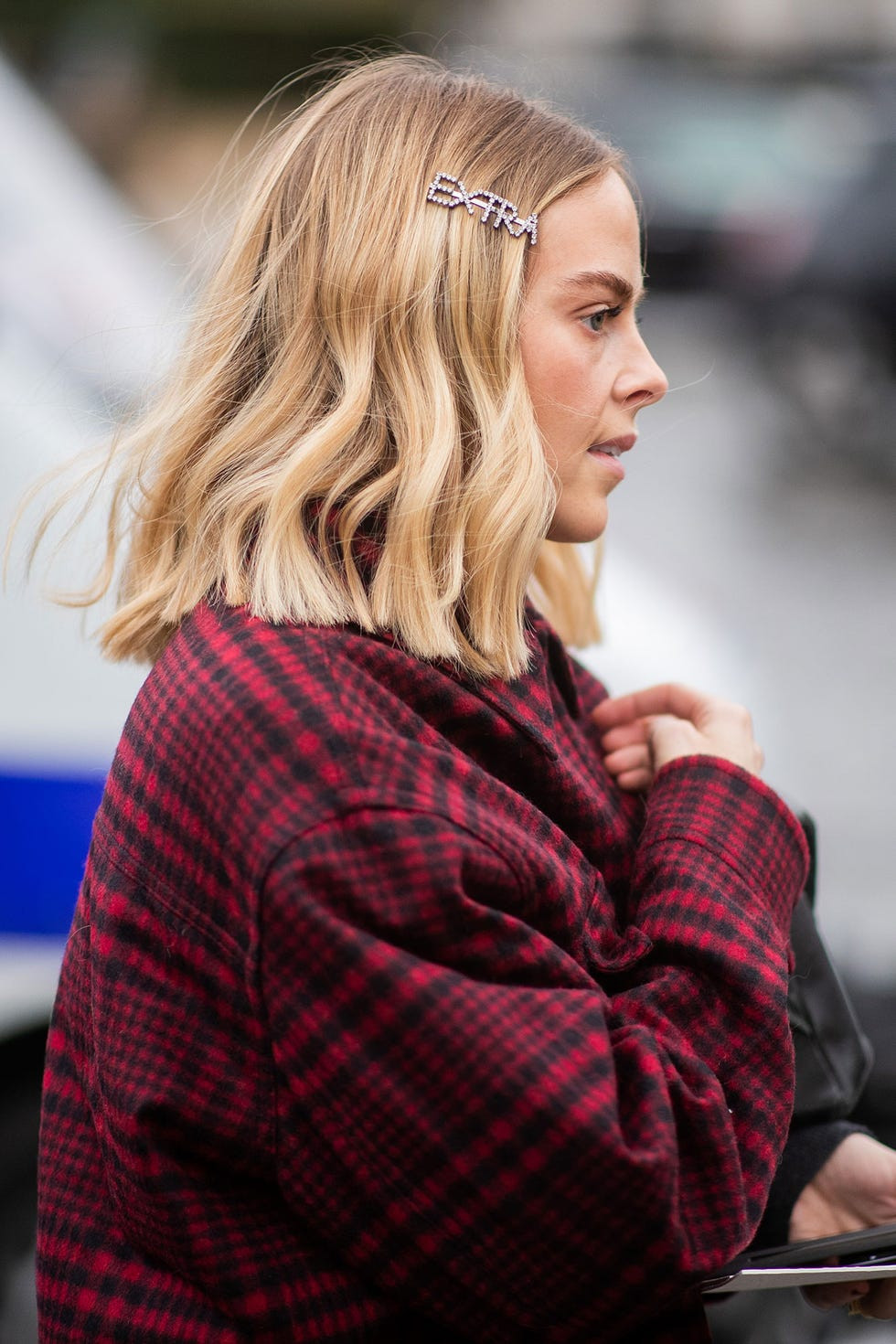
I will admit I was skeptical about honey blonde on a medium brown base. It can land too warm or too flat. But this slightly angled front view shows exactly why it works on thick, wavy hair that runs long. The middle part parts the density evenly, and the honey blonde balayage medium brown lifts the whole mass into something that moves instead of sitting there heavy. Long layers keep the ends light without sacrificing length.
The honey tone sits close to the root colour so the grow-out line blurs naturally around week eight. Wavy texture is key here — straight fine hair would let the contrast read too clearly. If your hair is medium density or coarser and you want a warm summer balayage that does not demand a root touch-up at month three, this medium brown base formula is the one to screenshot and bring to the appointment.
Dark Blonde Base With Blonde Balayage Visual Idea
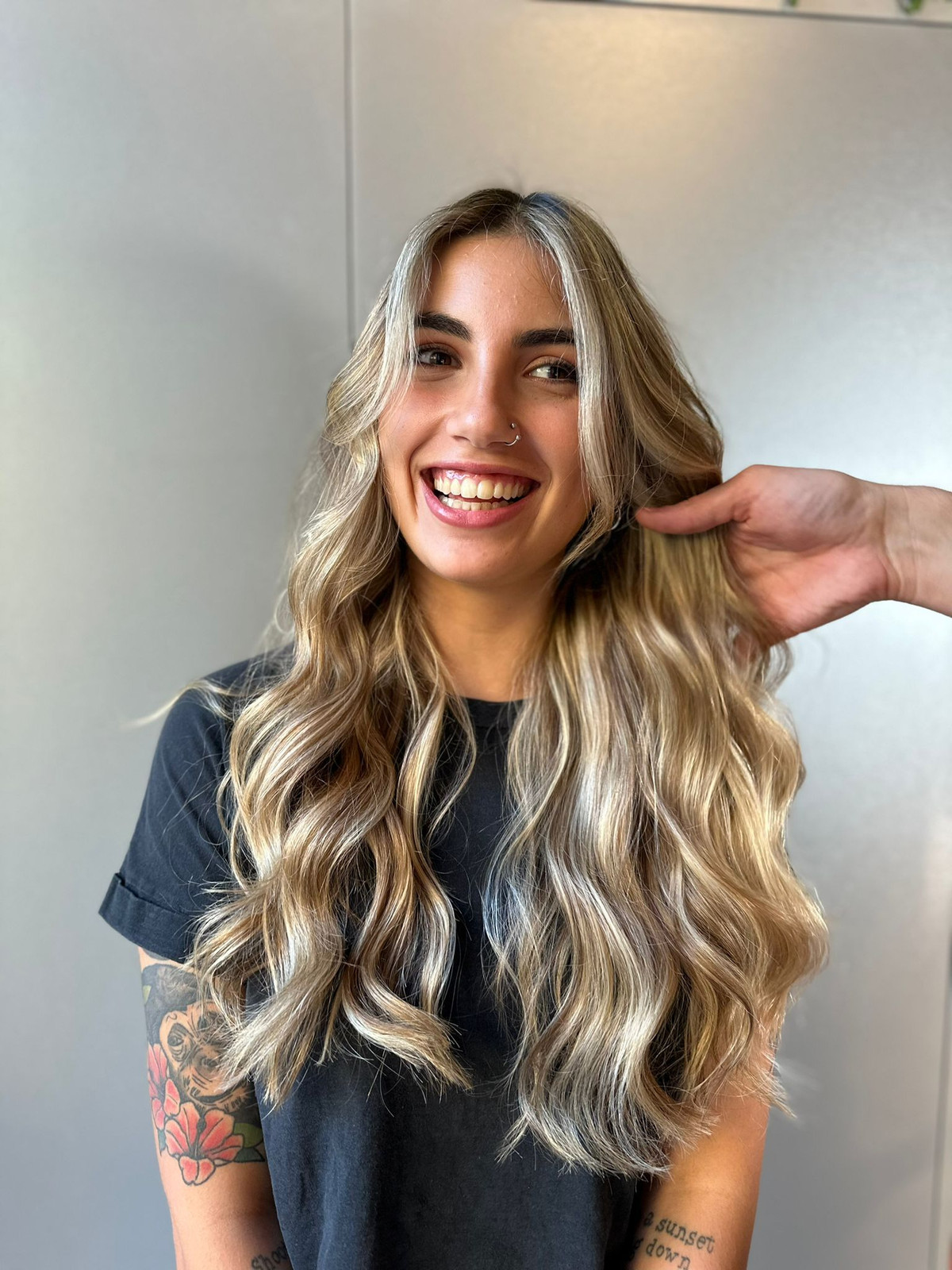
Have you ever seen a blonde balayage that looked less sun-kissed and more like someone held a highlighter to random sections? The mistake people make with a dark blonde base is picking a lift shade that is too pale, too ashy, or too far from their natural depth. This version keeps the blonde balayage dark blonde enough that the transition reads natural, not painted. The base shade lands in that neutral zone between light brown and blonde, and the balayage lifts only a few levels above it. Loose waves help scatter the brightness evenly. The honest downside is that if the colourist goes even one shade too light, the contrast turns harsh and you spend the summer toning it back down.
Loose Curls Visual Idea
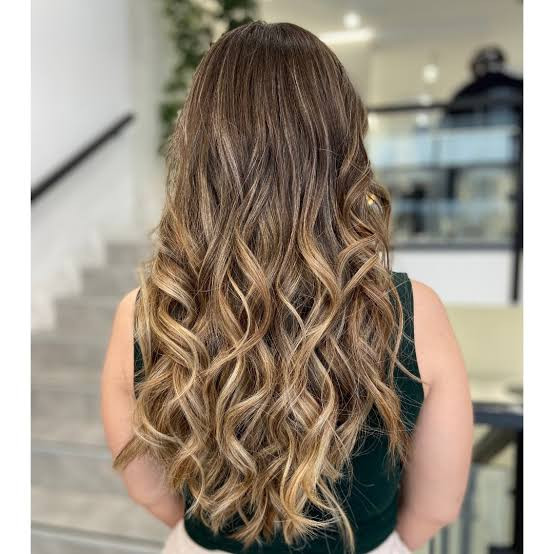
You can get a multi-tonal balayage at home if you are patient and willing to accept that it will not look salon-perfect the first time. What you need is a dark brown base, a bowl of light brown toner, and a very steady hand with the ash blonde pieces. The technique is to paint the balayage onto mid-lengths and ends, then weave the ash blonde only at the outer layers. Loose curls pull the two tones together so the transition blurs instead of stripes.
Upkeep matters more than the application. The ash blonde will grab cool tones first and pull green if you do not wash with a purple shampoo starting at week two. A dark brown base fades slowly, which buys you about eight weeks before the root line is visible. Thick, wavy hair carries multiple tones better than fine hair because the density hides small mistakes.
Loose Waves Visual Idea
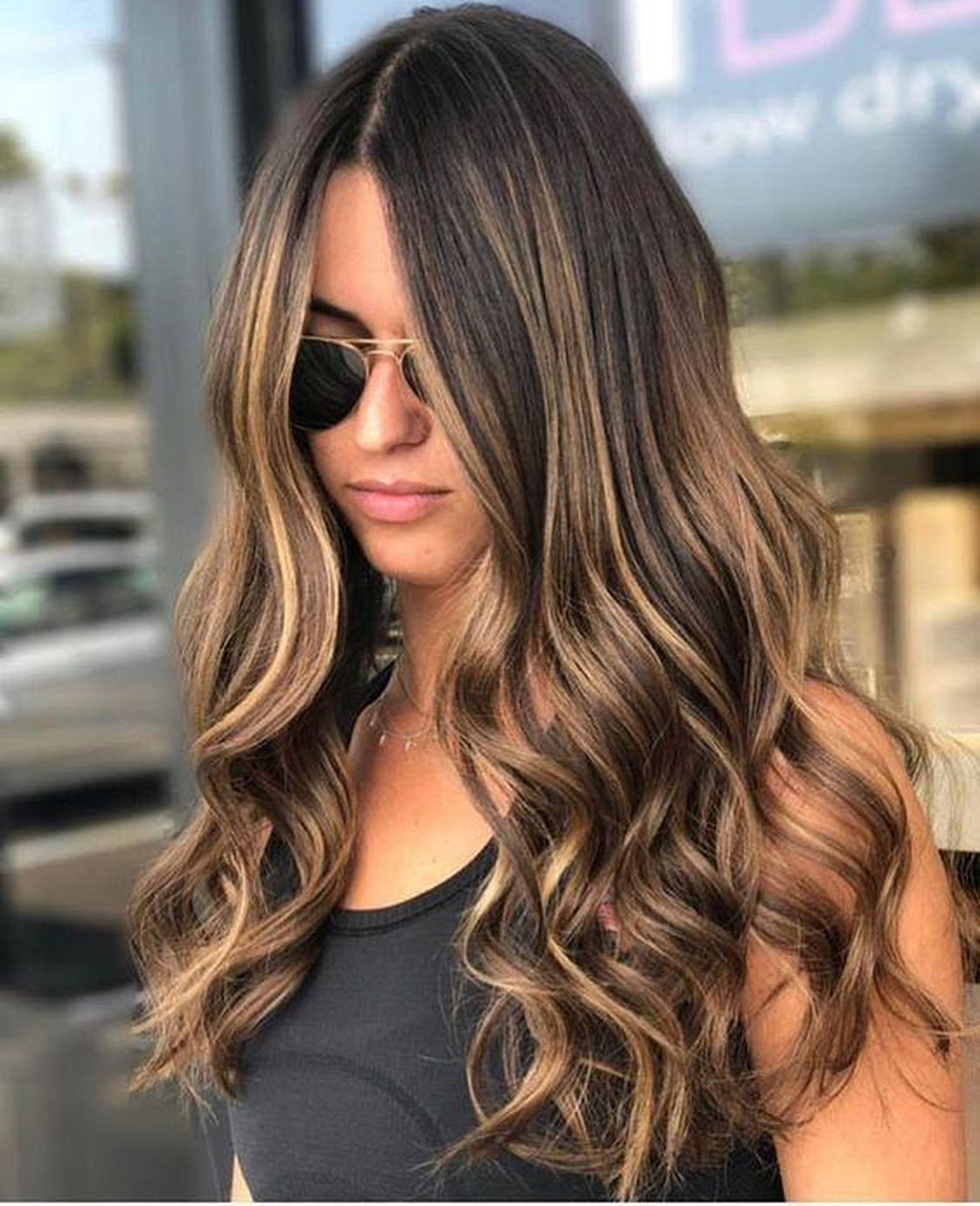
That moment when a dark brown base is interrupted by bright caramel and blonde ribbons, that is the contrast people screenshot and then regret not maintaining. The striking contrast of dark base and light highlights looks incredible on day one. By day four the caramel can dull and the blonde can lean yellow if you are washing with the wrong water temperature. The honest downside is that high-contrast balayage demands a toning shampoo in the rotation and a cool-water rinse every time. Loose waves disguise the fade for about a week, but by week three you are deciding whether to book a gloss or live with the warmth.
Wavy Thick Visual Idea
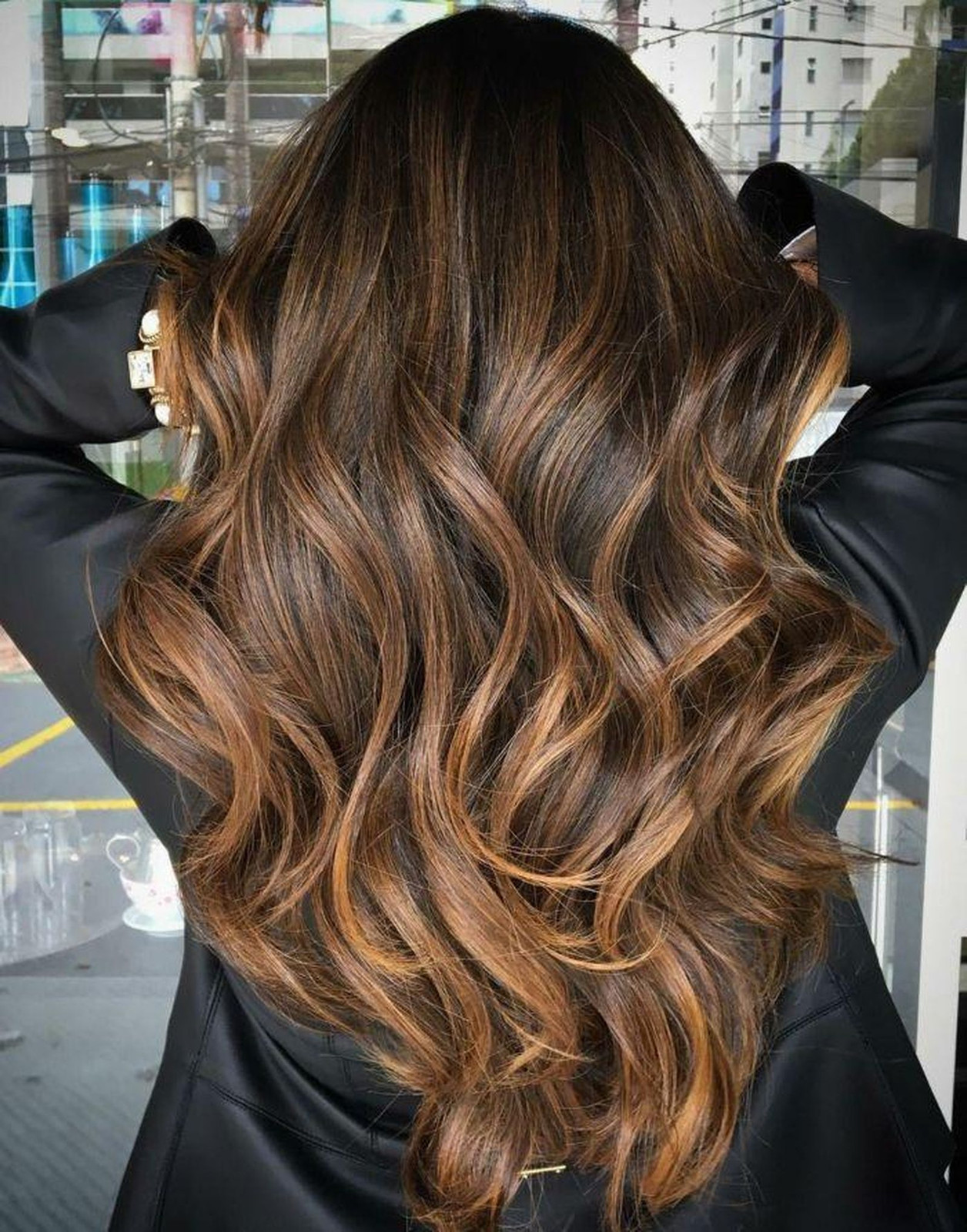
Best late-summer transition shade I have seen in a while. The dark brown base stays grounded while the rich copper and caramel balayage climbs through long layers in loose waves, catching light like a slow sunset. This is the colour that makes you look tan without a spray booth. The wavy, thick texture holds the copper tones visibly, which means the balayage reads as deliberate even from a back view with a middle part.
Seasonally, this lands perfectly for August into September. The copper warms up as the days shorten, and the caramel keeps it from going too autumnal too fast. It is a salon job, no question. The lift from dark brown to copper requires a stylist who understands warm undertones and does not rush the process. Book this for late summer and you buy yourself six weeks of growing out gracefully into early fall.
Ash Blonde Tone Visual Idea
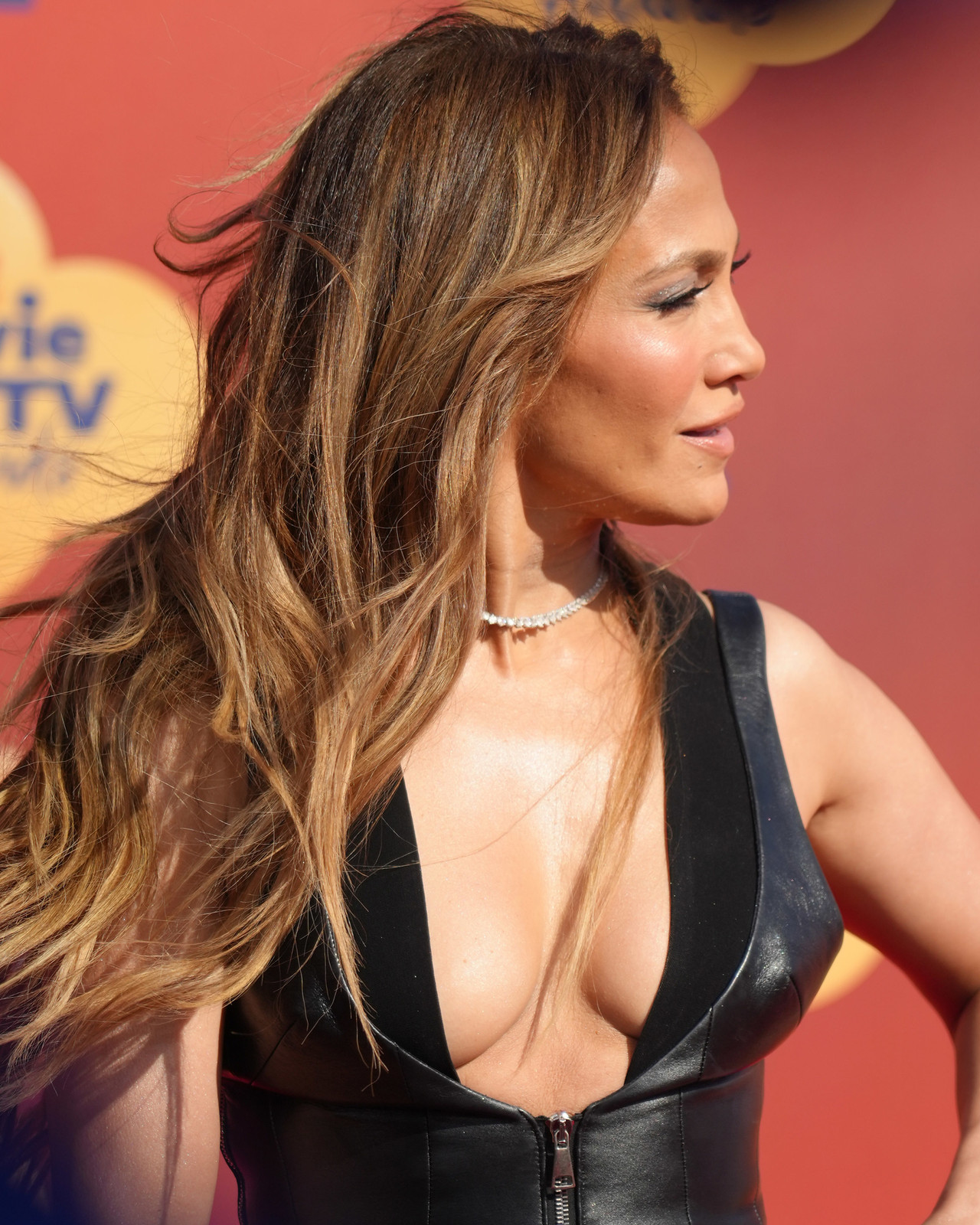
The ash blonde tone here is the quiet achiever of the Summer Balayage 2027 lineup. On a medium blonde base, it reads cool without veering into grey, and the loose, voluminous waves let the tone shift subtly from root to end. This genuinely flatters cooler undertones, think pink or blue veins, not green. If your skin pulls warm, this will make you look washed out by noon. The wavy, thick texture helps because the ash sits on each wave instead of disappearing into a flat surface. A middle part keeps it modern. I would not attempt this at home. The toning window is narrow, one wrong rinse and you have lavender highlights.
Side View Visual Idea
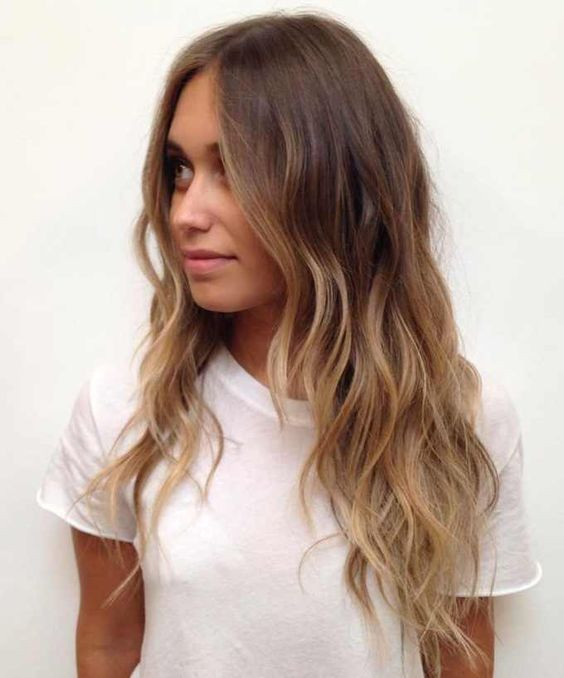
From the side view, the balayage transition tells the whole story. A medium brown base shifts into honey blonde balayage through loose waves, and the layers let that honey catch light at different heights. It is subtle, not dramatic. Compare this to an ombre where the line hits you in the face. This one sneaks up on you. The honest downside is brassiness. Honey blonde on medium brown wants to pull warm, especially if you wash in hard water. A purple shampoo helps, but you have to stay on it. The wavy, medium density texture masks the grow-out well, which is the whole point of balayage. A side view also shows the middle part clearly, which I like for balancing a round face.
Copper Balayage Visual Idea
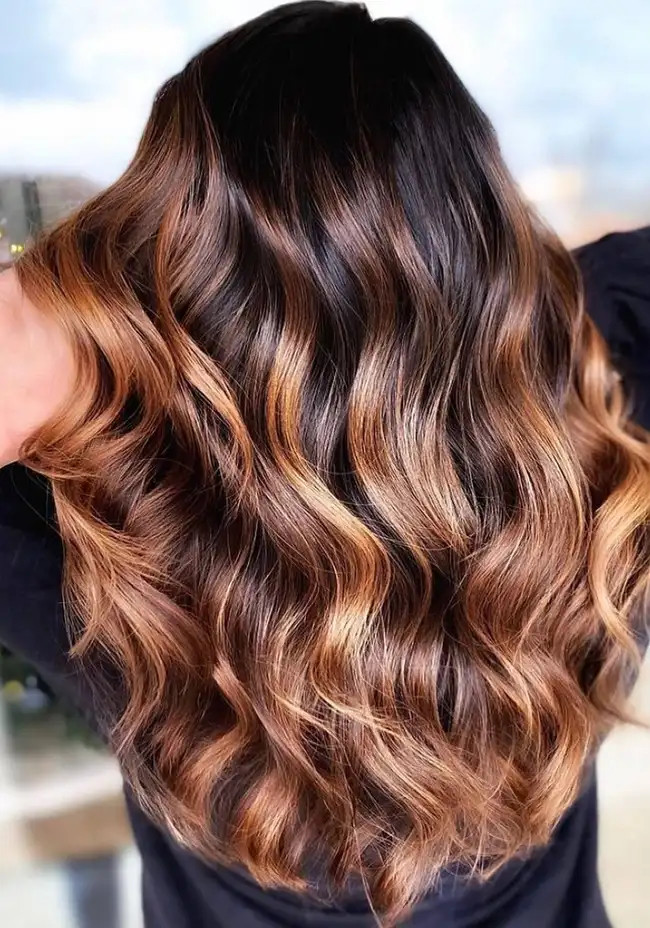
How does copper balayage land on a dark brown base without looking like a costume? The technique starts with a careful lift. The stylist paints the lightener onto sections of wavy, thick hair, leaving the root area dark to preserve depth. Then the copper tone goes on, not as a single flat shade but as a blend that shifts from warmer at the ends to softer near the base. The back view shows this clearly, the copper climbs through the layers in loose waves, catching light differently at every bend.
The wear and upkeep matter here. Copper fades faster than you think, especially in summer sun and chlorinated water. I use a color-depositing conditioner once a week to keep it from turning brassy orange. The wavy texture helps hide the fade, but the tone needs refreshing every six to eight weeks if you want it to stay vibrant. A salon job, absolutely. This is not a box-dye situation.
Wavy Visual Idea
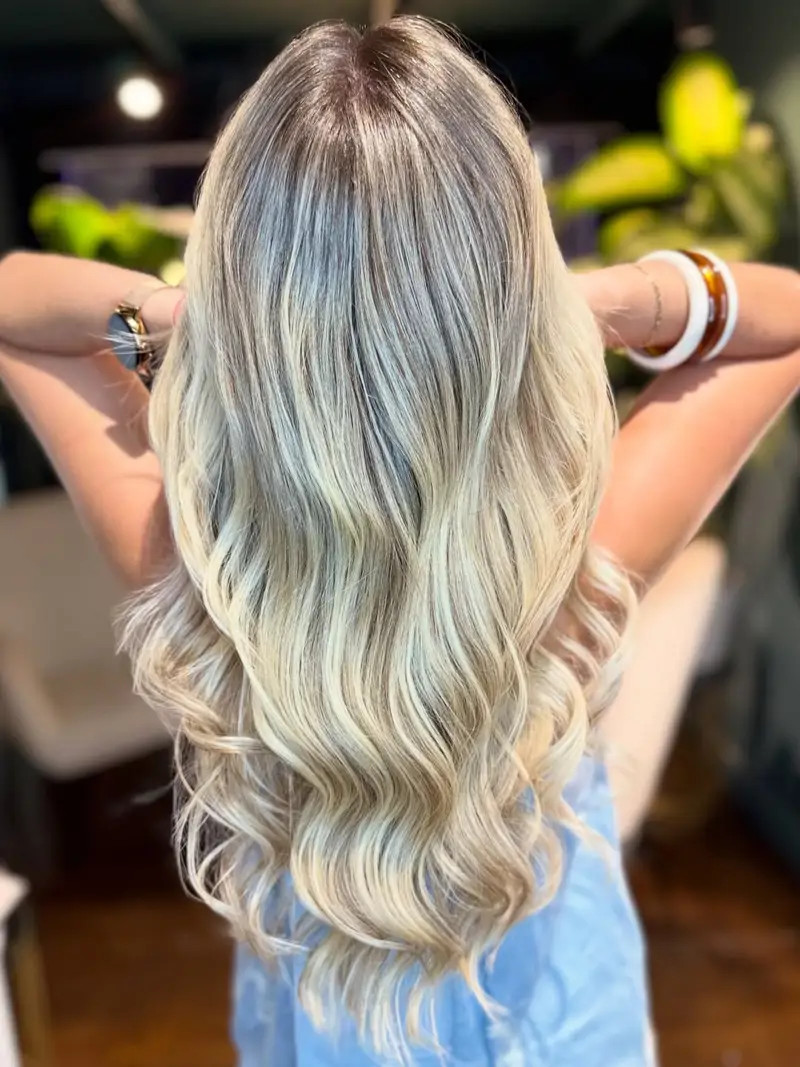
I will confess I hesitated before recommending platinum blonde balayage. The ash blonde base with platinum through the ends looks stunning in loose waves, no question. The wavy, medium density texture gives the platinum dimension, so it does not read as a solid white sheet. But here is the honest downside. Platinum requires bleach, and bleach on wavy hair means you have to be religious about protein treatments and bond builders. One skipped session and the waves start to fray. The grow-out is also visible at week four, not week eight. If you are ready for that rhythm, the payoff is a cool, light-catching finish that nothing else matches. If you are not, skip it.
Wavy Blowout Visual Idea
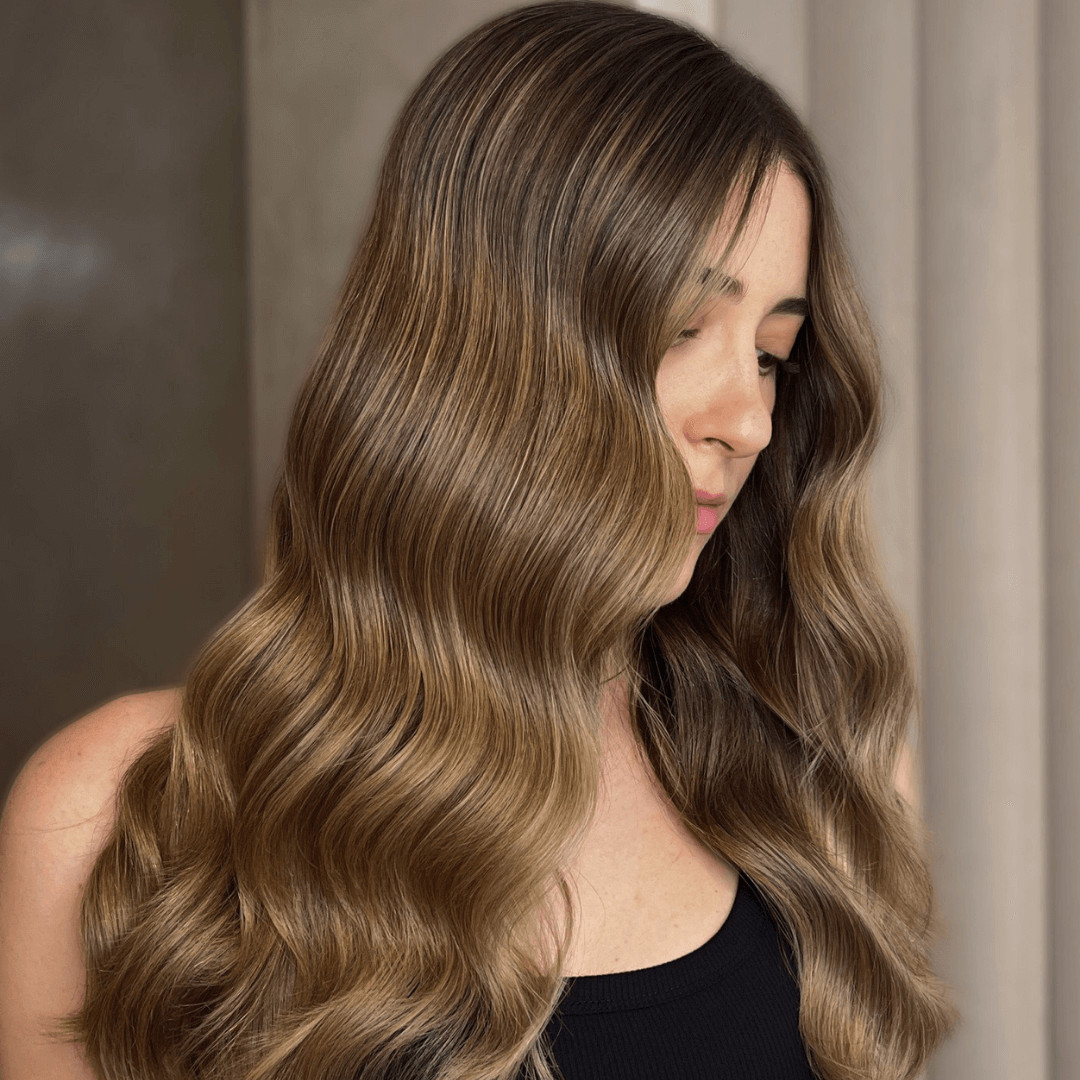
Dark blonde base with lighter blonde balayage, and the blowout makes the colour land differently. The waves catch light at every curve, so the blonde reads sunlit instead of painted on. Middle part, collarbone length, medium density wavy texture. This is the look that says summer without trying. The season wants soft and blended, and this delivers that without a root line screaming at week three.
Caramel Balayage Over Light Brown Base Visual Idea
Wavy Medium Density Visual Idea
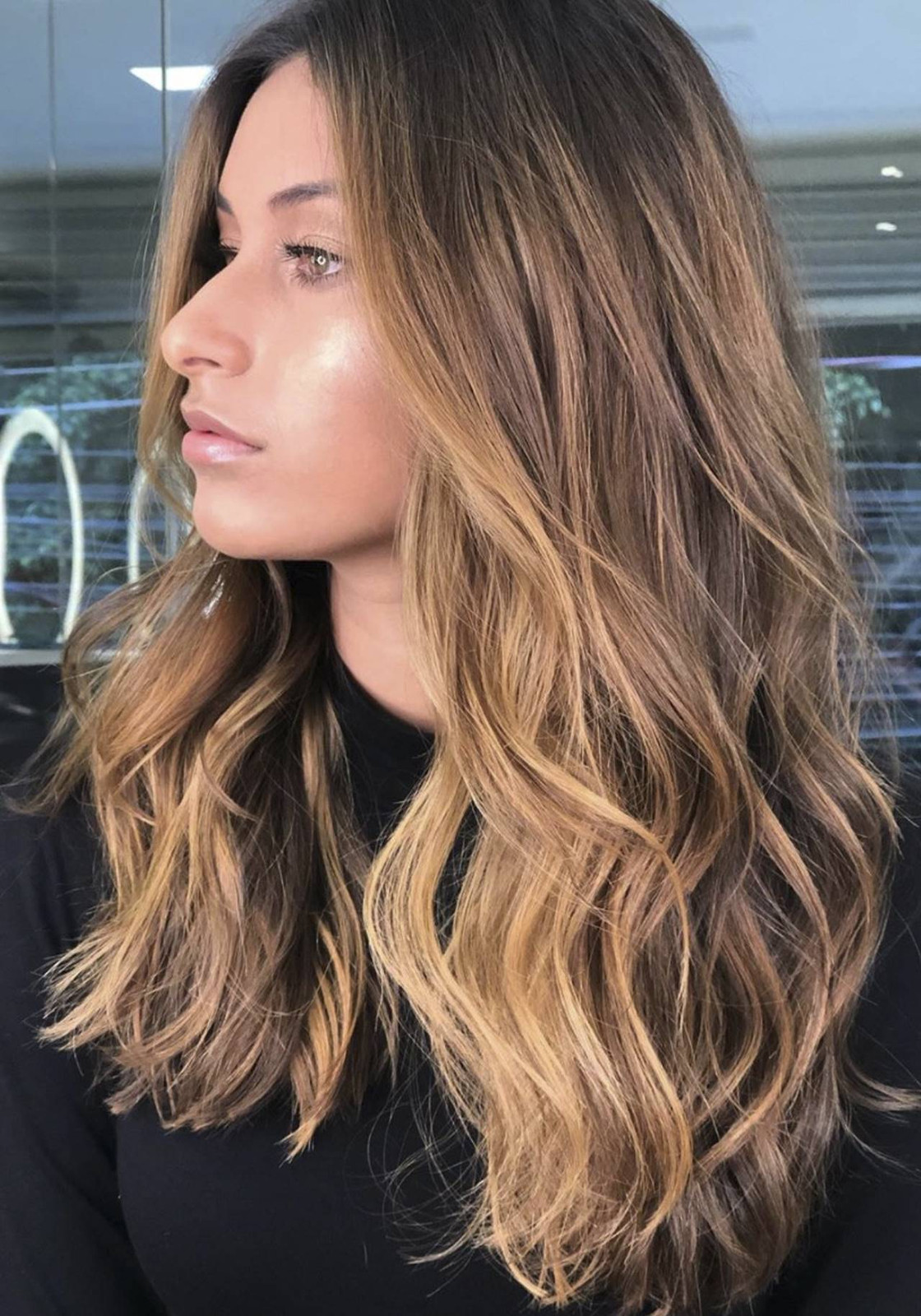
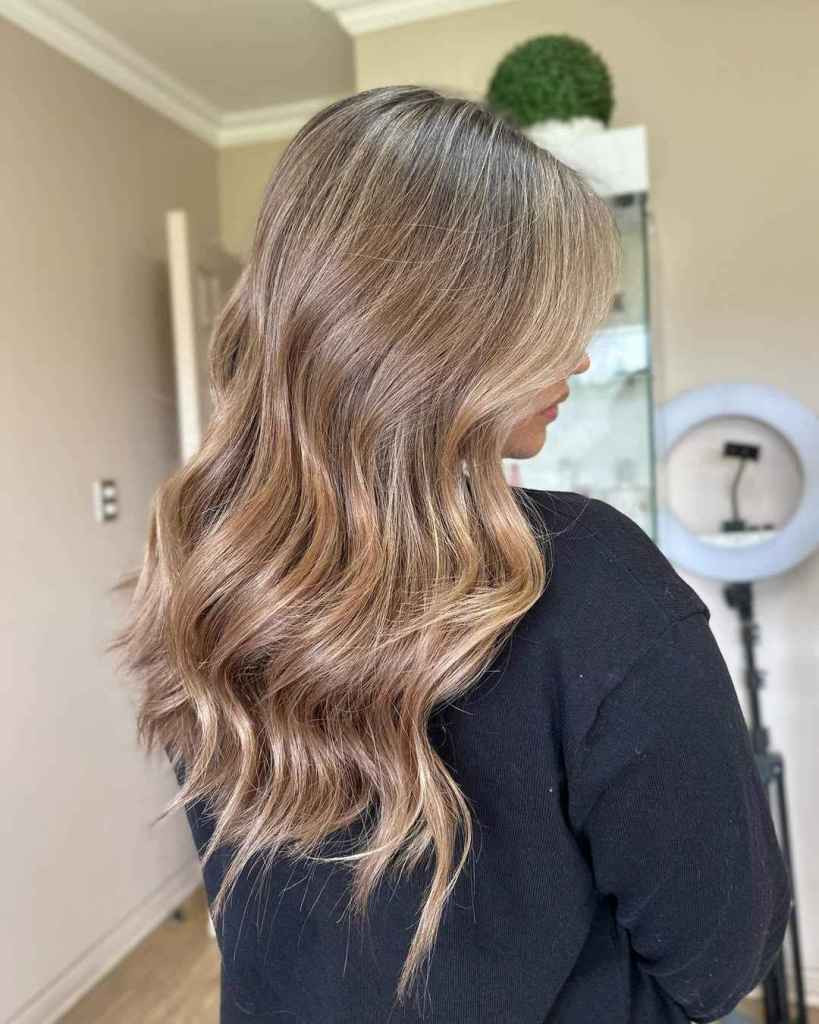
The balayage blend here is the whole point, and the mistake people make is letting the lightener sit too long on the midsection. Dark blonde base with caramel blonde balayage, mid-back length, loose waves on wavy medium density texture. Skip the stripe by asking for a soft, graduated lift. The honest downside: if the stylist paints too thick, the caramel turns into a solid band. Middle part, no bangs, the blend should look like the sun did the work, not a brush.
Side Swept Bangs Visual Idea
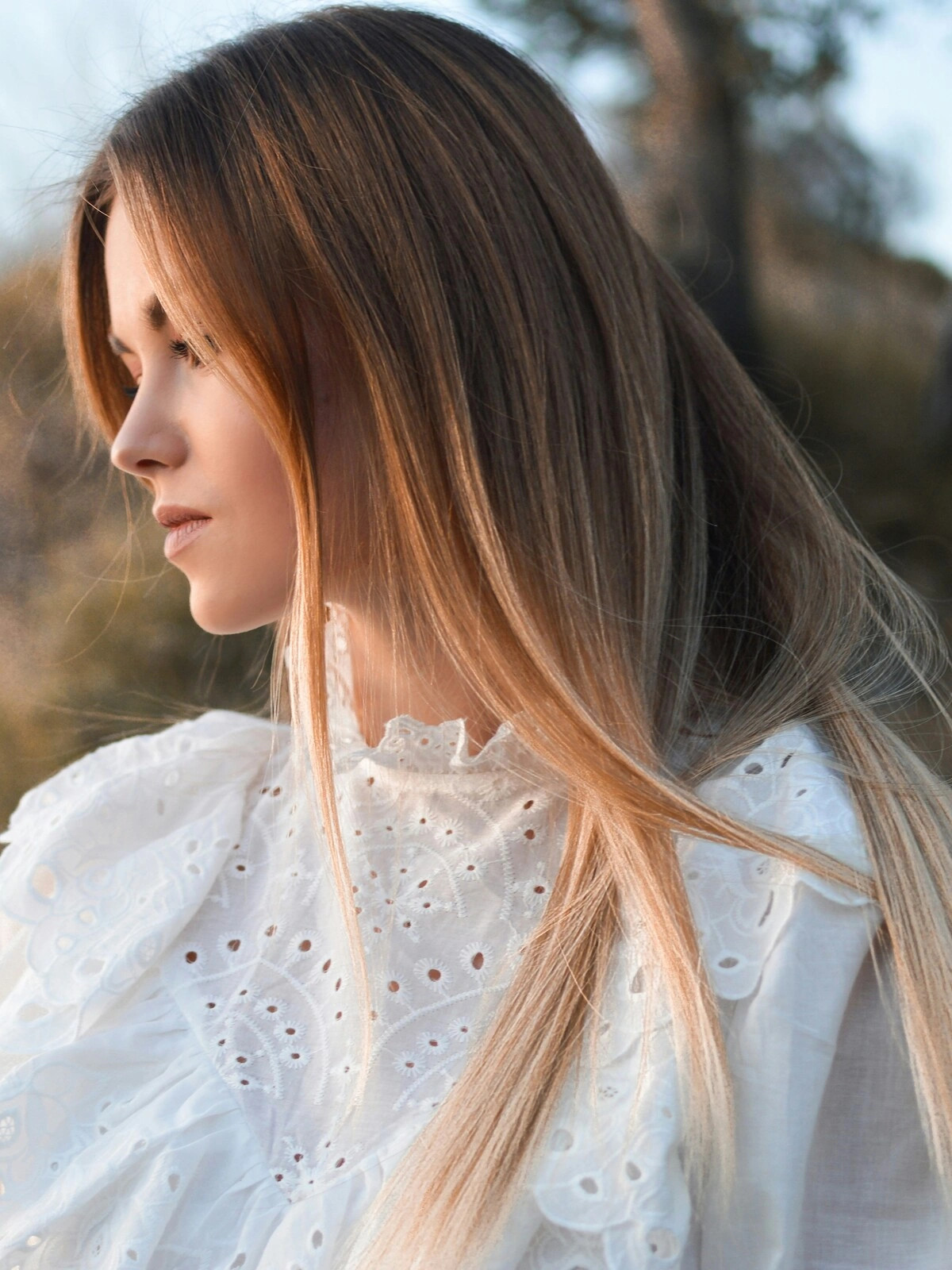
This is the summer balayage 2027 that actually looks like you spent the day at the beach. Light brown base, golden blonde balayage, side swept bangs, collarbone length, wavy medium density. The sun-kissed effect lands without trying, which is exactly what you want when the humidity hits. Side part, air dried, no round brush required. The bangs sweep across and soften everything without committing to a full fringe. This is a weekend barbecue, a farmer’s market, a Monday that pretends to be casual. It works because the colour does the work.
Medium Brown Base With Blonde Balayage Visual Idea
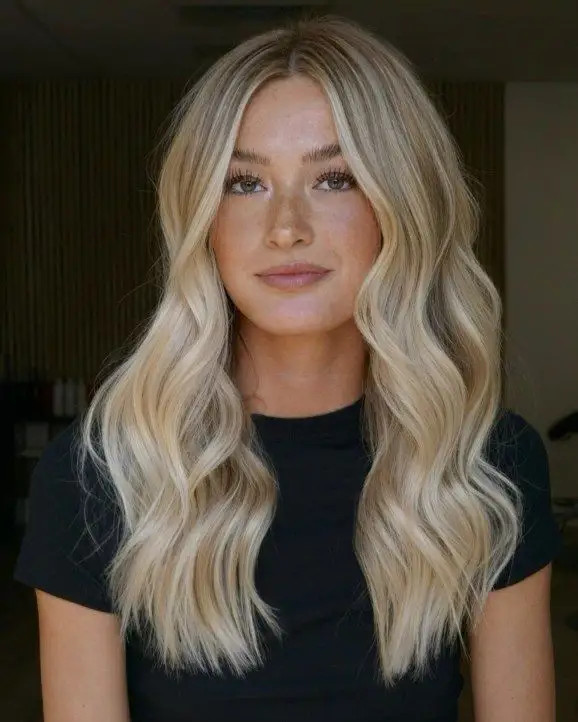
The medium brown base anchors the blonde balayage so the contrast reads intentional, not accidental. Mid-back length gives the colour room to travel, thick texture holds the wave pattern past noon, and the middle part suits oval, heart and round face shapes equally. The blonde is warm enough to read against cool skin and neutral enough to sit next to warm undertones. It is a classic for a reason. The grow-out is soft, the tone stays bright through August, and you do not need curtain bangs or a complicated cut to make it work.
Final Thoughts
After writing all of these, I noticed one thing: the best Summer Balayage 2027 looks all share a dark base. It’s not about how light you go. It’s about how deep you start. That root shadow buys you six calm weeks, and that is the whole point.
- Trim the baseline every eight weeks
- Tone at week six, not week ten
- Use a purple shampoo once a week
- Book a gloss between full appointments
I am booking the collarbone honey blonde. My roots showed at week five last time. This time, I am ready.