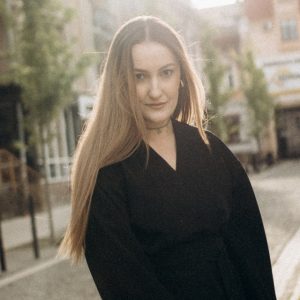
Red carpet hair in 2027 is about structure with a wink: sculpted waves, sharp bobs, and intricate braids that hold their shape all night. The shift is toward lived-in color and glossy natural texture, with curtain bangs and soft face-framing layers softening even the most architectural styles.
This collection of 37 Red Carpet Hairstyles 2027 looks spans from low-maintenance blowouts to high-glam updos, covering every length, texture, and face shape. Fine hair that falls flat? A blunt bob with finger waves. A visible grow-out line? Lived-in highlights. A fringe that won’t sit? Curtain bangs. This is what actually works on the carpet and in real life.
Long Dark Brown Braided Extensions
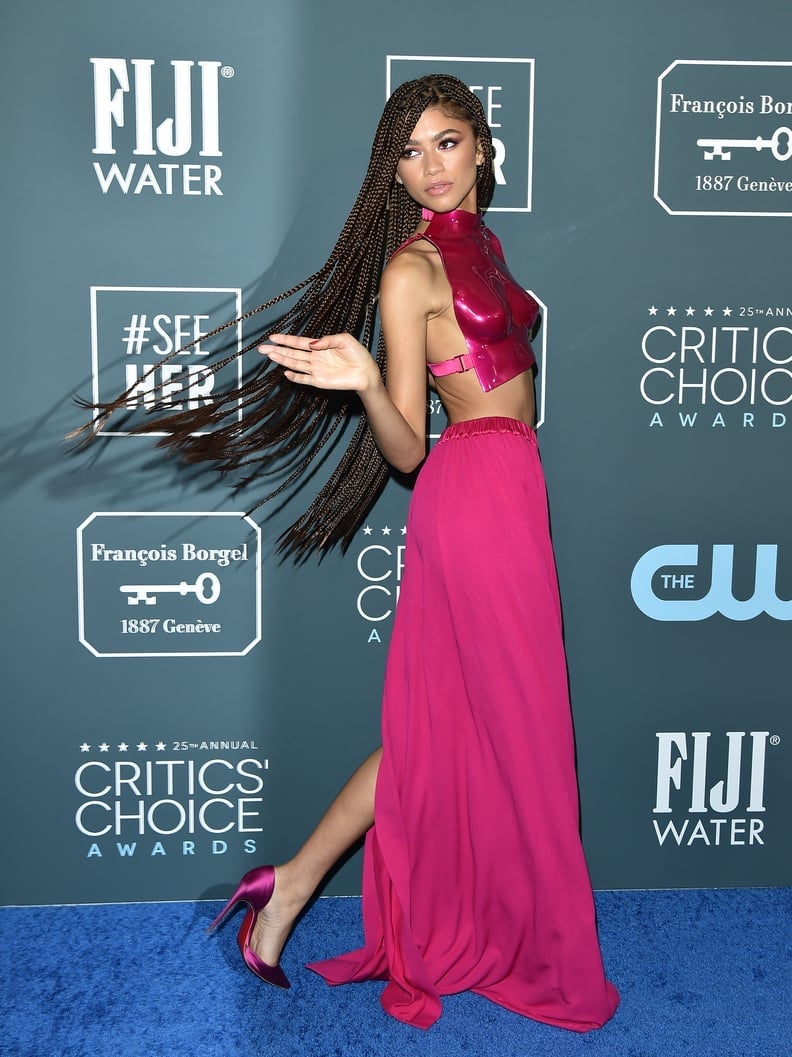
The design here is all about precision: each thin braid is individually installed to create a uniform, wavy texture that extends past the mid-back. A middle part anchors the symmetry, while the side view reveals the weight and movement of the extensions. This is not a quick add-on. It is a multi-hour salon commitment that demands a skilled hand to blend the extensions with your natural hair. Ask your stylist for: long, thin braided extensions, mid-back length. The result is dramatic length and texture that holds its shape all night, but the upkeep requires regular maintenance to prevent tangling at the roots.
For anyone who wants maximum visual impact without daily styling, this is the route. The braids lock in the wave pattern, so you wake up with the same texture you left the salon with. Just plan for a full afternoon in the chair every few months to refresh the install.
Chin-Length Bob With Sculpted Waves
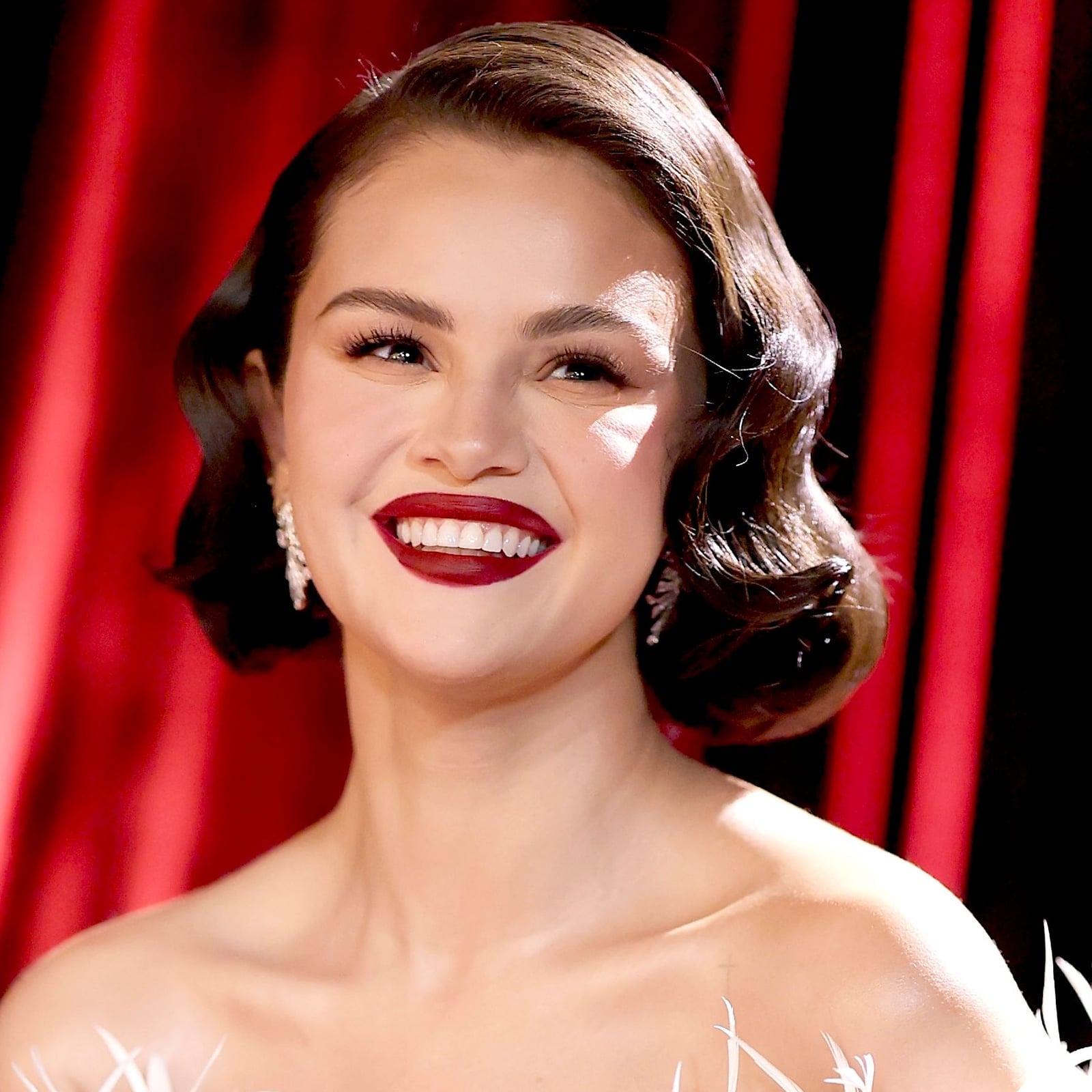
This bob works best on fine hair that typically lacks volume. The deep, sculpted waves add the illusion of density and movement, while the chin length keeps the shape from weighing down. A side part shifts the wave pattern to one side, creating asymmetry that elongates rounder faces. Ask your stylist for: chin-length bob, deep sculpted waves, side part. Fine textures hold the wave best with a strong-hold mousse applied before a large barrel curling iron. Trim every six weeks to keep the bob from losing its crisp line.
Shoulder-Length Platinum Blonde With Curtain Bangs
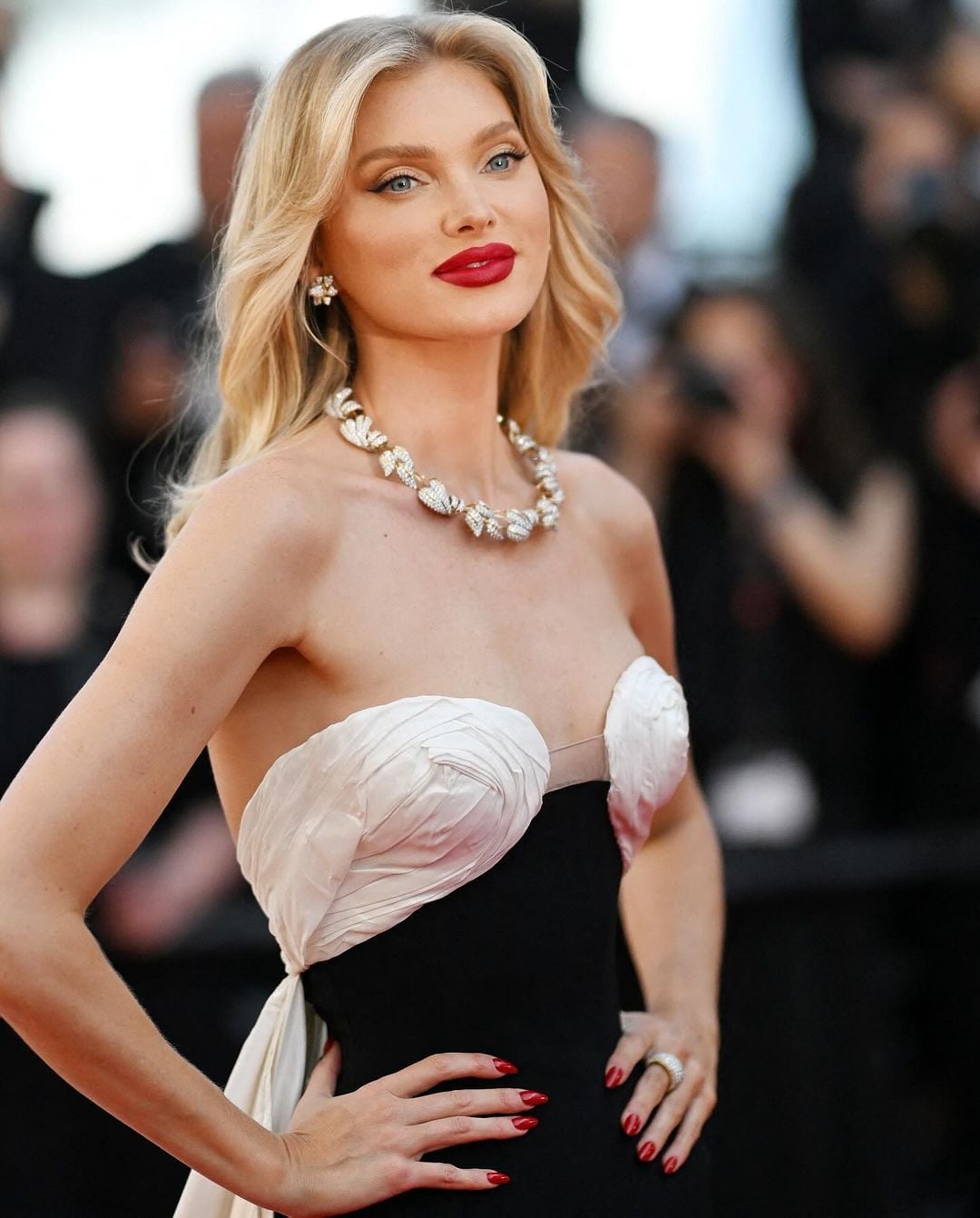
Platinum blonde asks for a different commitment than a warmer blonde. The difference is in the toning: platinum needs a purple shampoo every wash and a salon toner every four to six weeks to avoid brassiness. The curtain bangs here are the real workhorse. They soften a square jawline and add movement to what could be a flat shoulder-length shape. Ask your colorist for: shoulder-length with soft waves, curtain bangs. Style the bangs with a round brush and a blow-dryer, then use a texturizing spray on the mid-lengths for that lived-in wave pattern. The hold is moderate, so plan for a mid-event touch-up with a curling iron if you are dancing.
Shoulder-Length Red With Blonde Highlights
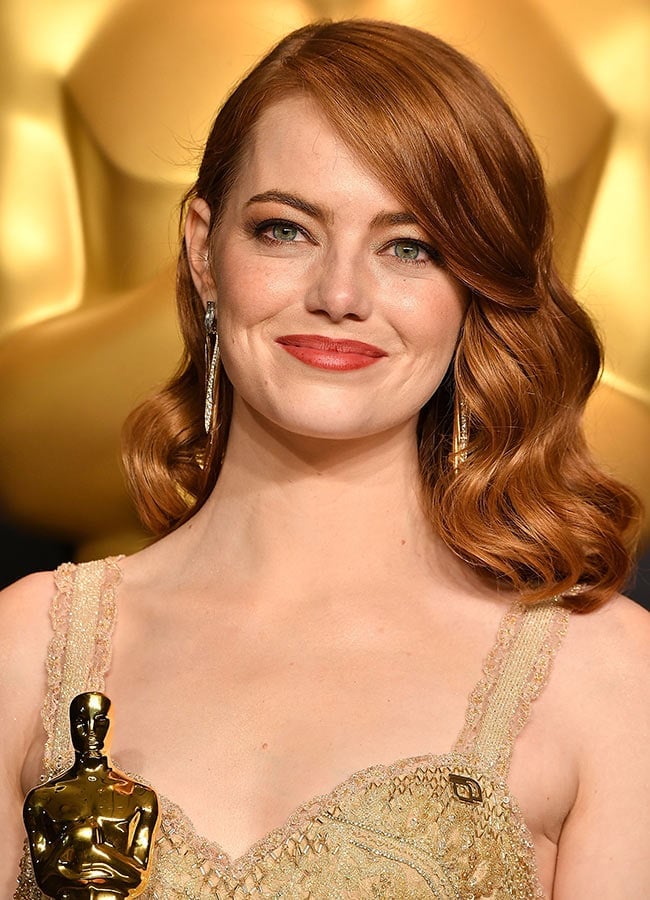
This color combination lands hardest in autumn and winter, when the red base feels rich and the blonde highlights catch indoor event lighting. The loose curls are styled with a middle part, allowing the blonde pieces to peek through the red surface. Ask your colorist for: shoulder-length loose curls, red with blonde highlights. The thick, wavy texture here is key. It holds the curl pattern without product overload. A wide-tooth comb after curling keeps the waves from turning into tight ringlets. The hold is reliable for a full evening, and the color stays vibrant for about six weeks before the red needs a gloss refresh.
Chin-Length Bob With Finger Waves, Platinum Blonde
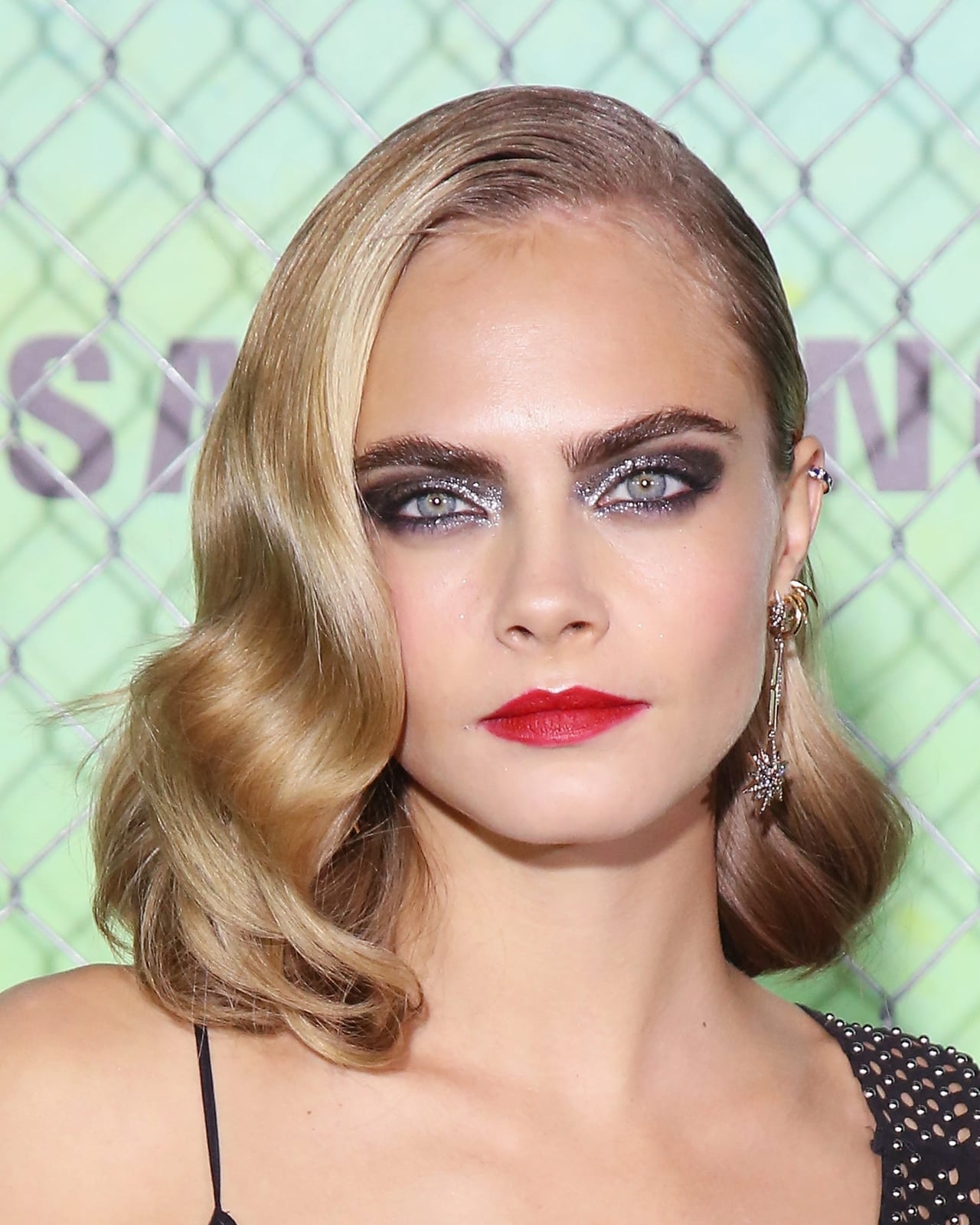
Finger waves are a test of patience and product. The technique requires wet-setting each S-curve with a comb and gel, then letting it dry completely before combing out. On a chin-length bob, the waves stay tight and defined, creating a geometric frame around the face. Ask your stylist for: chin-length bob, sculpted finger waves. The platinum blonde base makes the wave pattern read clearly, but the downside is that fine hair can lose the definition after a few hours of humidity or movement. A strong-hold hairspray is non-negotiable, and even then, the waves may soften by the end of the night.
Elegant Dark Brown Updo
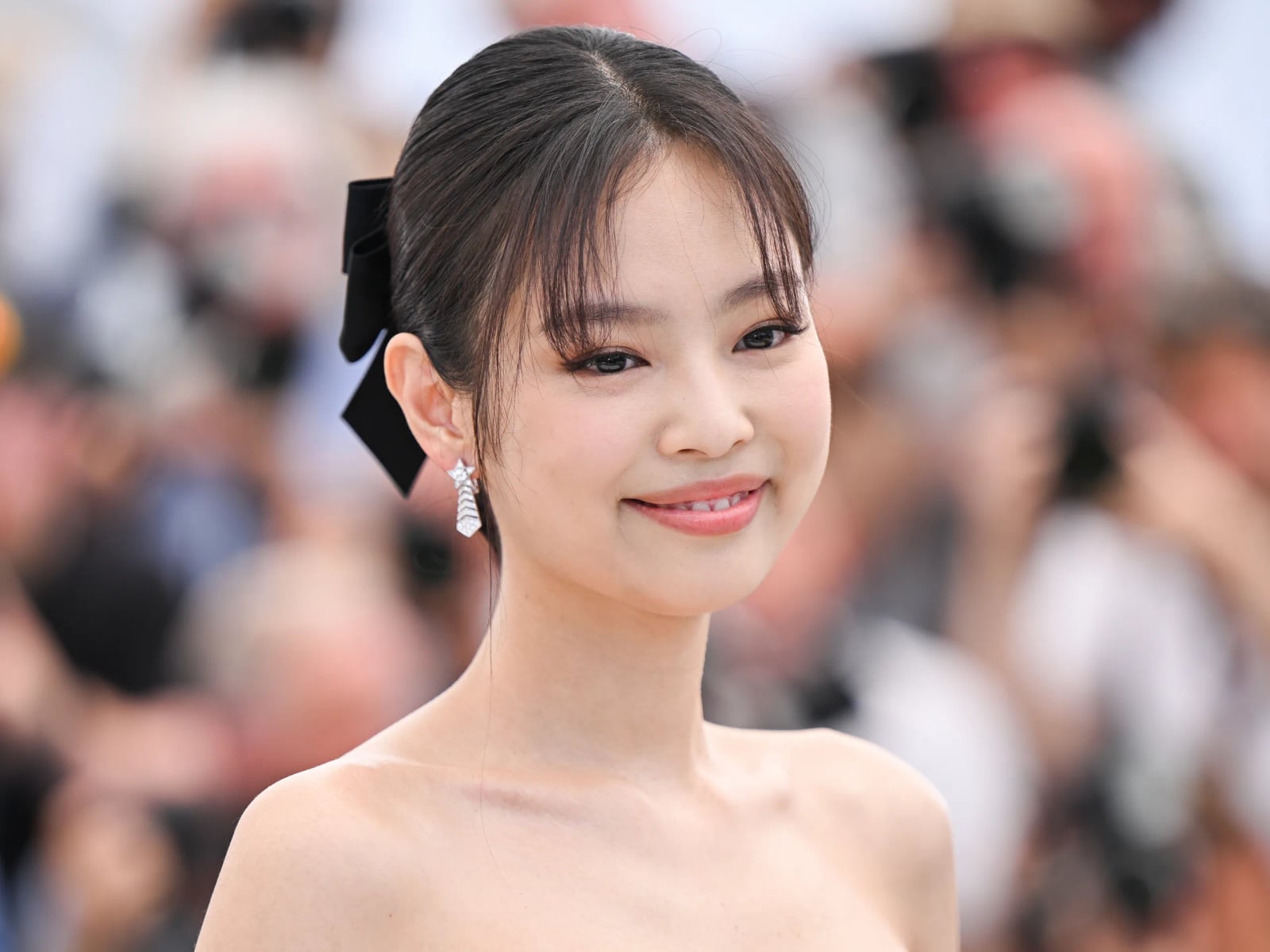
An updo this polished is a formal-event staple for a reason. The middle parting and straight, smooth texture demand precision, so this works best on shoulder-length hair with enough density to hold the shape. Ask your stylist for: elegant updo, middle part. A smoothing serum applied before pinning controls flyaways, and a firm-hold hairspray keeps everything in place through dinner. A trim every eight to ten weeks maintains the clean lines, especially if you keep the nape area tidy.
Blonde Shoulder-Length High Top Knot
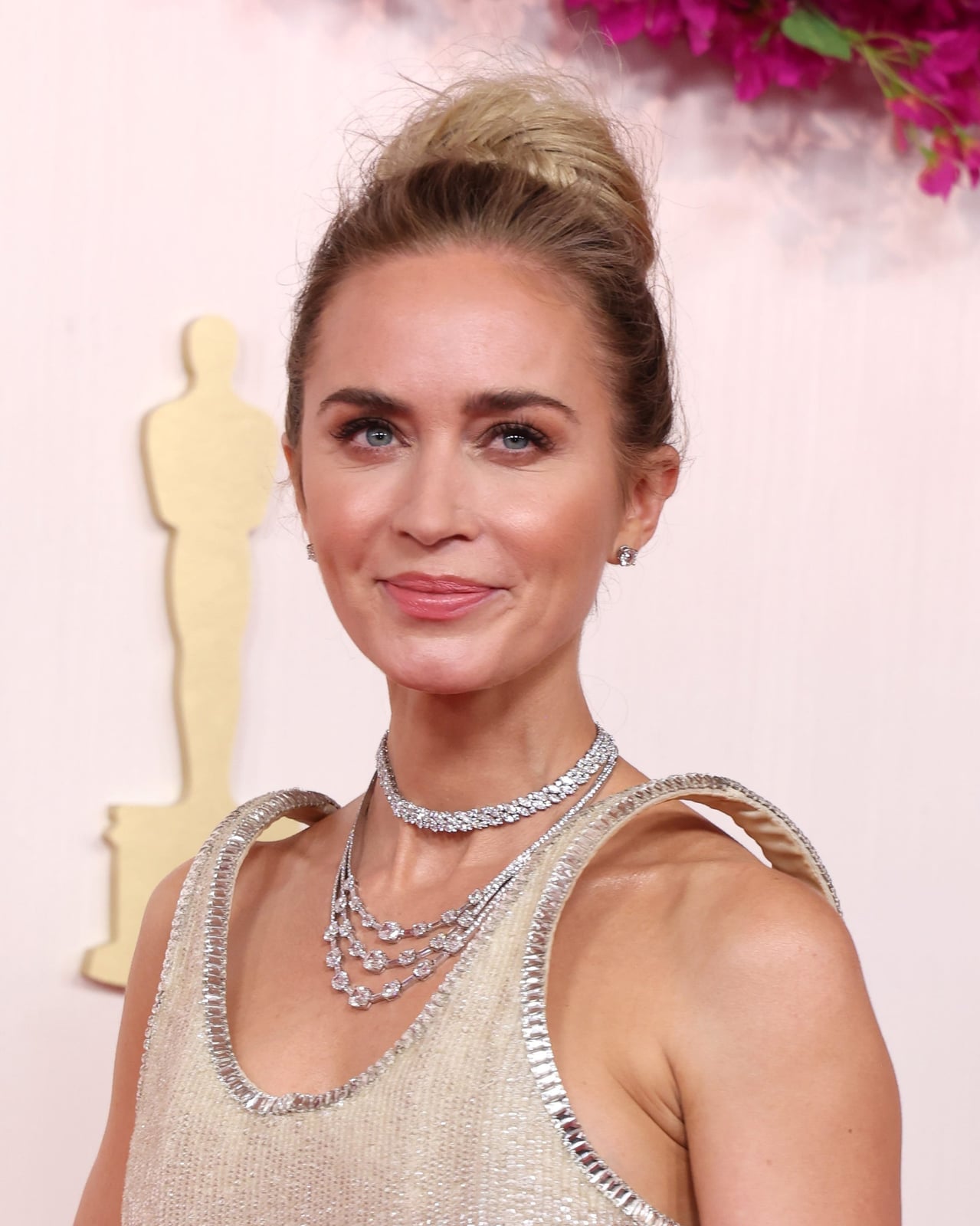
How do you get a top knot that reads as modern rather than gym-class? Start with shoulder-length hair and a middle part. The slightly wavy texture here adds volume at the crown, so the knot sits full instead of flat. Ask your stylist for: high top knot, pulled back neatly. A smoothing cream worked through damp hair before blow-drying keeps the surface sleek, and a strong elastic at the base prevents sagging. Layers around the crown help the knot look intentional rather than scraped back.
Mid-Back Ponytail With Blunt Bangs
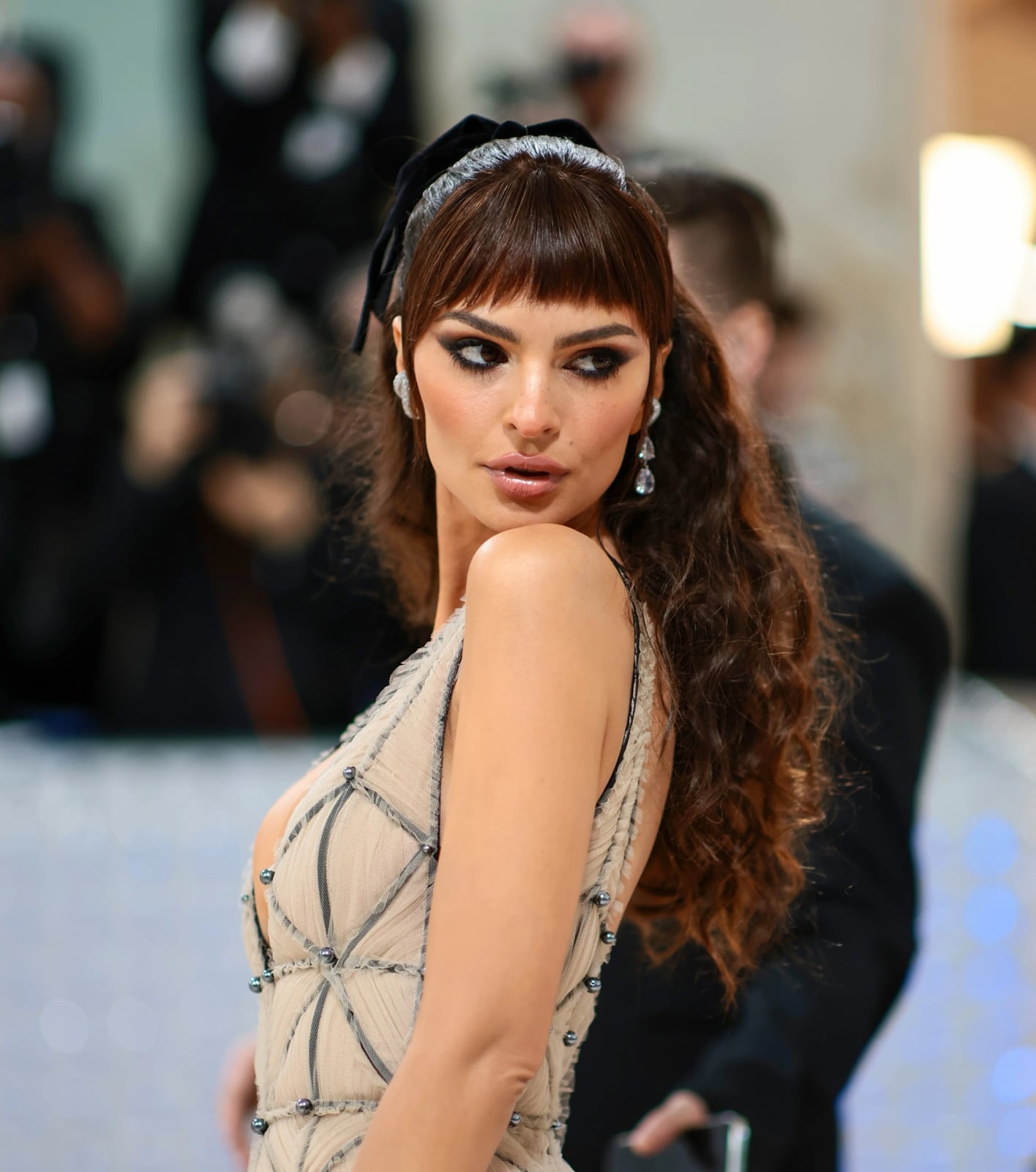
This style pairs a high ponytail with loose waves and a set of blunt bangs. The side parting adds a little asymmetry, keeping it from feeling too symmetrical for real life.
Wear and upkeep are where this style earns its keep. The ponytail holds for hours with a texturizing spray worked into the waves before pulling it up. Blunt bangs need a trim every three to four weeks to stay sharp, and they are best blow-dried forward with a round brush to prevent them from splitting. The side part means the bangs blend into the hair as a continuous piece.
Blonde Pulled-Back Bun
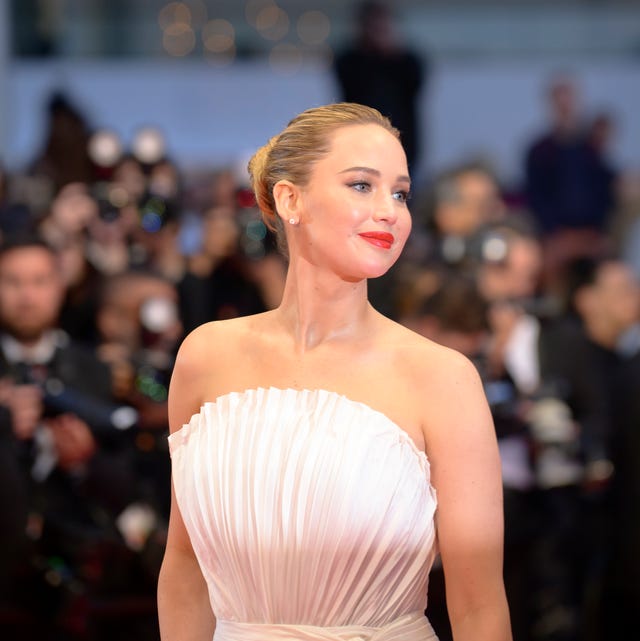
A pulled-back bun at the nape with a middle part is a salon skill, not a DIY quick fix. The straight, smooth texture requires a blow-dry with a paddle brush to remove any bend, then a smoothing serum before the hair is wrapped into the bun. Ask your stylist for: neat bun at nape, middle part. Pins are placed so the ends tuck under completely, which is harder to replicate at home without visible bumps. The payoff is a finish that stays clean through an entire evening, with no touch-ups needed.
Dark Brown Updo With Face-Framing Pieces
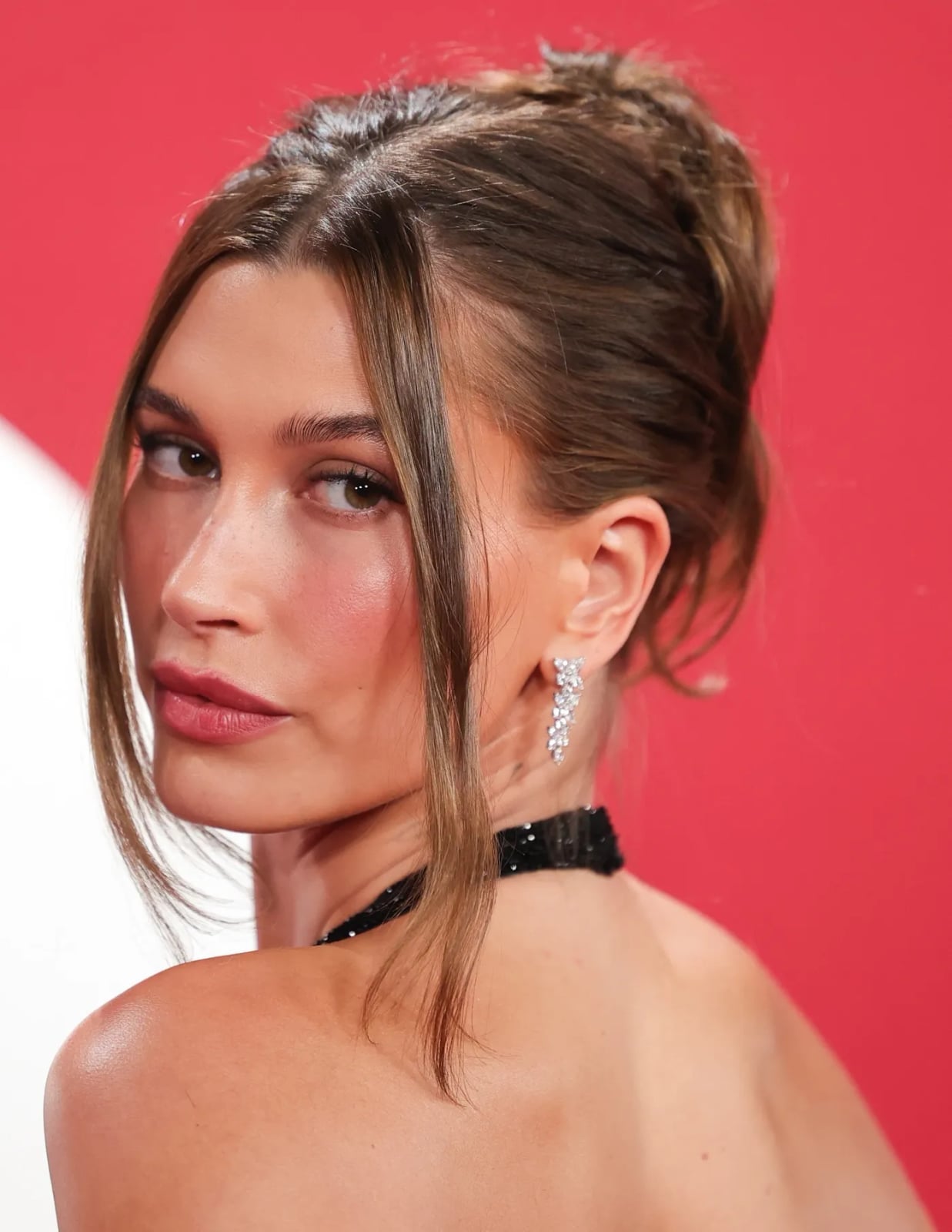
This updo is a genuine option for anyone with thick, mid-back length hair who wants the polish of a pulled-back style without losing softness. The face-framing pieces are the key: they break up the solid line of the updo and can soften a square or angular jaw. Ask your stylist for: pulled back updo, face-framing pieces. The one real drawback is keeping those pieces in place. A lightweight styling cream gives them enough grip to hold their curve, but humidity or a long evening may send them wandering. A middle part keeps the front symmetrical, which helps the style read as deliberate.
Blonde Mid-Back High Ponytail
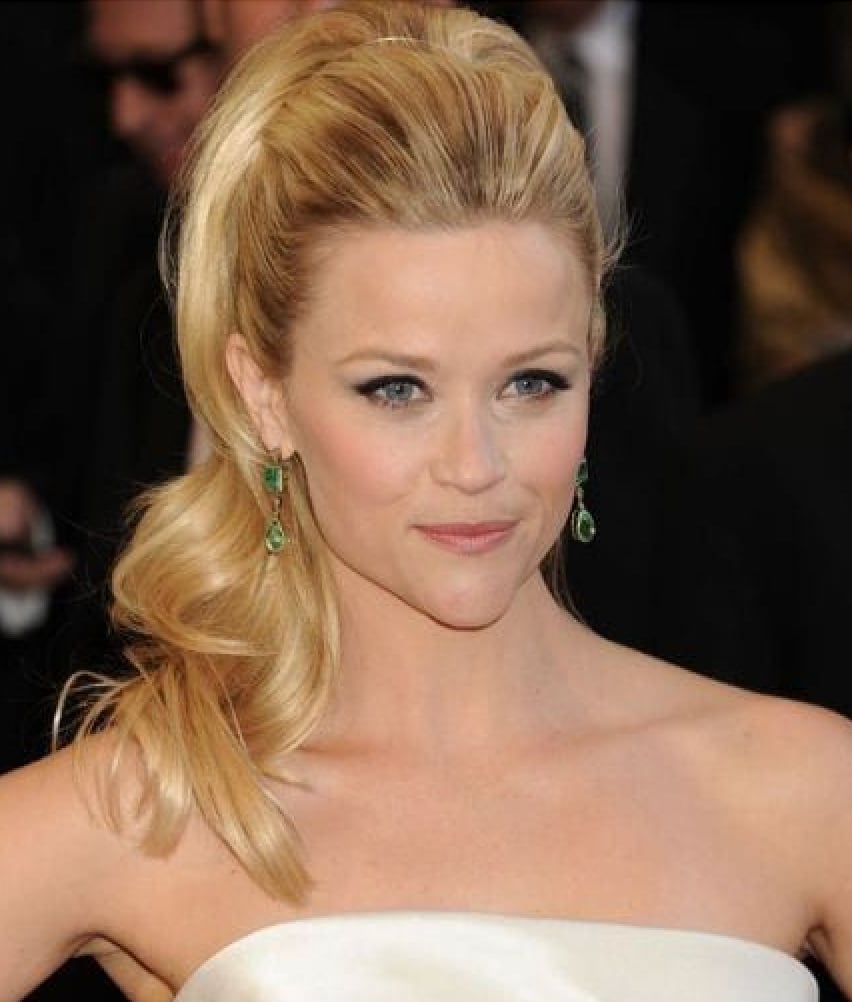
A sleek high ponytail is not the same thing as a messy one, and this blonde version makes the case for polish. The hair is pulled back smoothly from a middle part, with loose waves starting past the nape to keep the length from looking stiff. Medium density hair holds this shape best, too fine and the ponytail reads as thin, too thick and the sleek finish fights your texture. Ask your stylist for: sleek high ponytail, mid-back length. A boar bristle brush gets the surface glassy; a texture spray in the ponytail gives the waves something to grip.
This is the style for an event where you want the hair out of your face without looking like you gave up. The side view shows the real work: the ponytail sits high enough to elongate the neck, and the waves add movement without breaking the clean line. A trim every eight to ten weeks keeps the ends from fraying against the sleek finish.
Dark Brown Collarbone Bob With Voluminous Waves
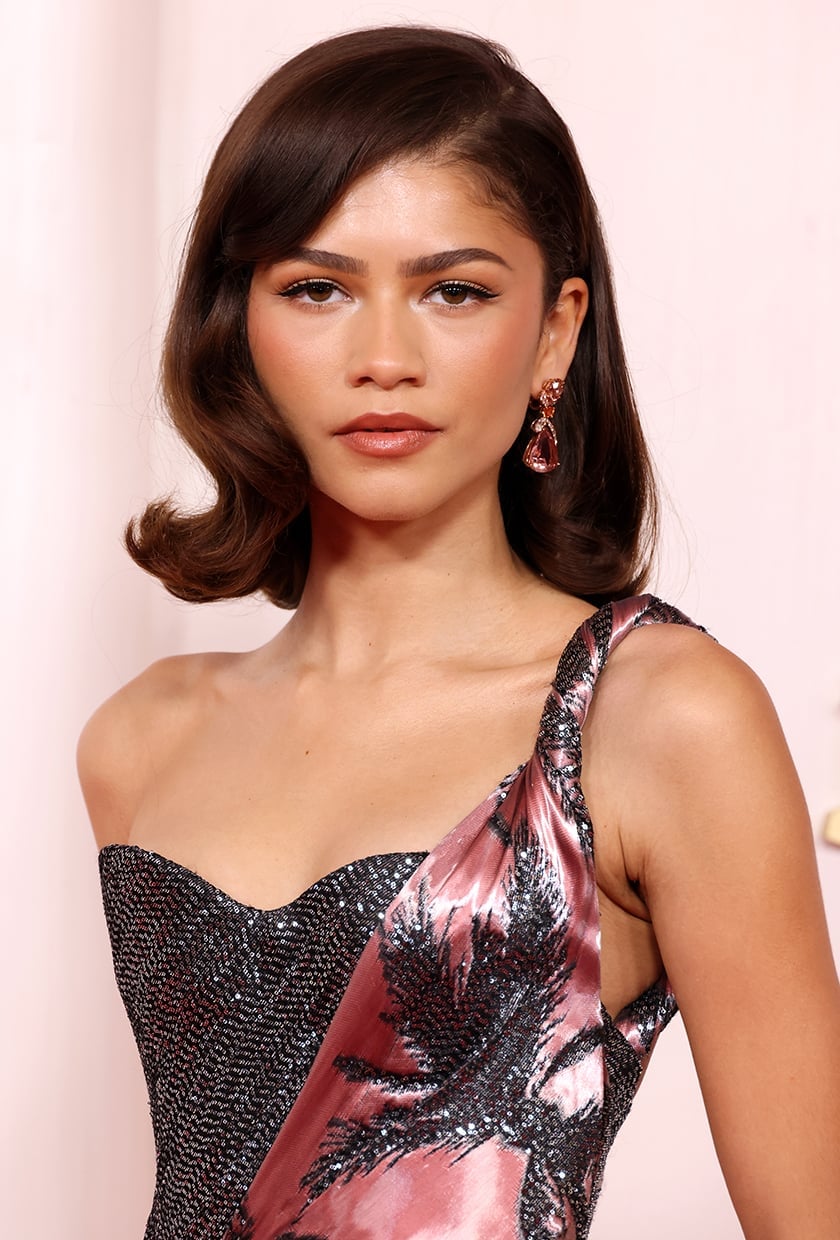
Voluminous waves that hold their shape on a collarbone bob depend on the wave pattern and the cut. A collarbone length provides enough weight to keep the wave from bouncing into a curl, while a side-swept fringe softens the line across the forehead. Ask your stylist for: collarbone bob, voluminous waves, side-swept fringe. Thick hair takes the wave best because the density holds the bend. A large barrel iron creates the deep S-shape, and a smoothing serum on the mid-lengths keeps the gloss from going dull.
Mid-Back Dark Brown Waves With Auburn Highlights
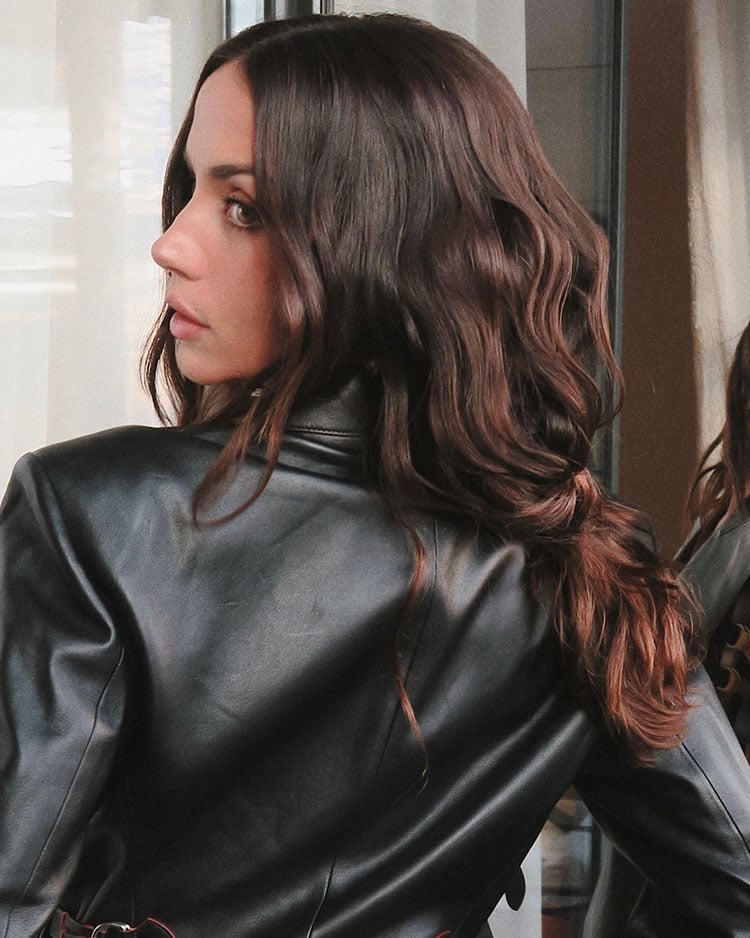
Long, flowing waves that move together keep this style cohesive. The dark brown base gets a lift from subtle auburn highlights, which add warmth without turning into a full color change. Thick, wavy hair is the natural fit for this finish, as the density keeps the wave pattern from collapsing into a straight mess by midday.
Mid-back waves tangle easily. A leave-in conditioner applied to damp hair prevents the knots that form at the nape, and a diffuser on low heat sets the wave without frizz. The color refresh depends on how fast your natural tone shows, auburn highlights fade warmer over time, so a gloss every eight weeks keeps them from turning brassy. The middle part lets the waves fall evenly on both sides, which also means less time adjusting during the night.
Black High Updo With Baby Bangs and Accessories
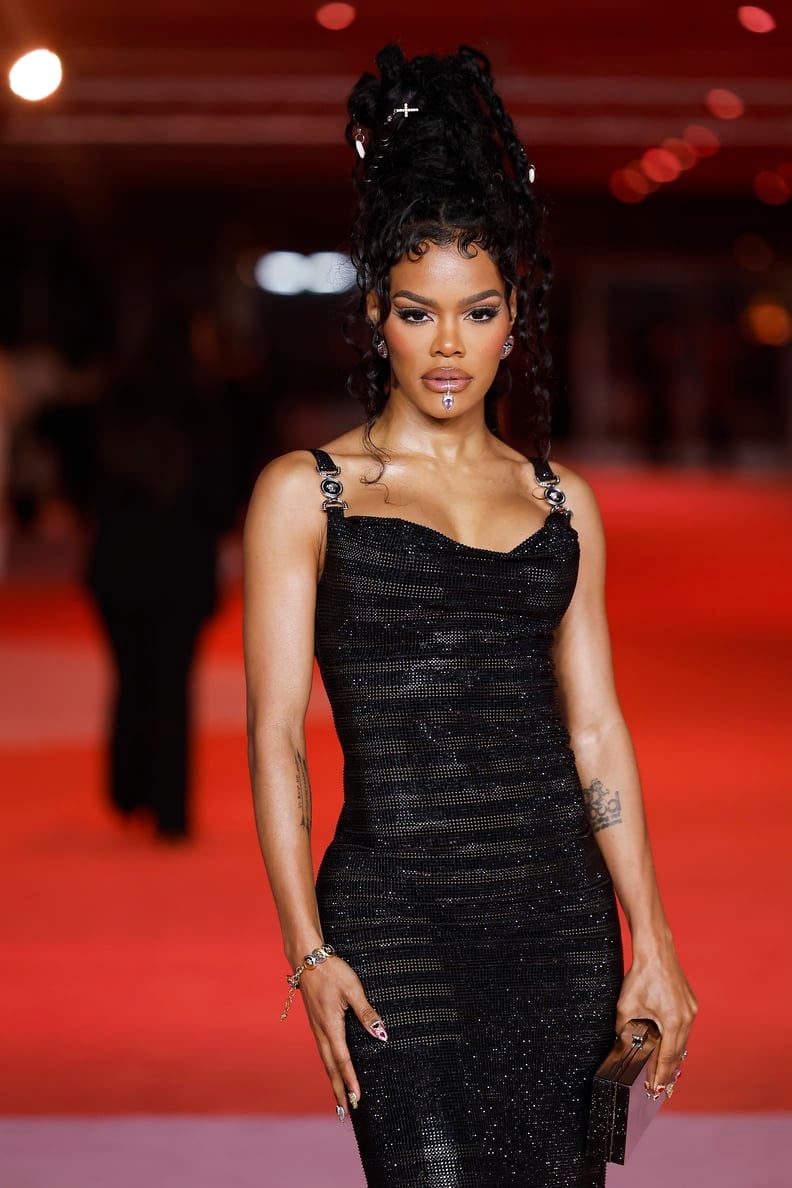
A high updo with baby bangs and multiple accessories is built for a specific moment: the red carpet where more is more. The technique starts with a precise middle part, then the hair is pulled straight up and secured at the crown. Baby bangs are cut short and blunt, sitting well above the brows, so the forehead stays visible. Thick, straight hair provides the necessary weight and texture for the updo to hold its shape without slipping.
This is a salon look. The accessories, crosses and clips in this case, are pinned into the structure during styling, not added after. A DIY version would lack the secure anchor points and the accessories would slide. The occasion is high fashion, where the drama of the silhouette matters more than practicality. A strong hold spray is non-negotiable for keeping the updo upright and the bangs in place through a long event.
Sharp Blunt Bob With Short Blunt Bangs
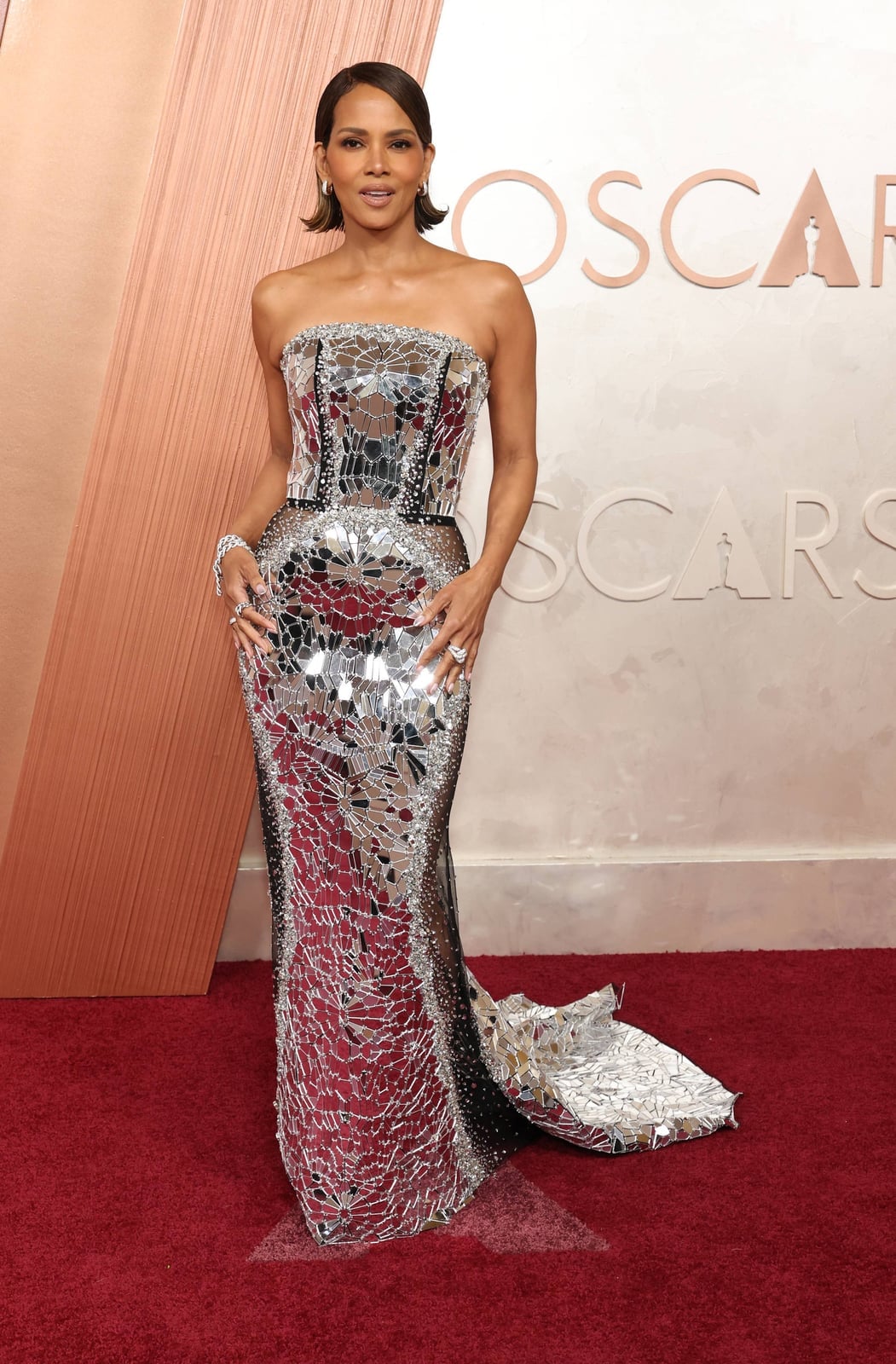
This cut is for someone who likes a clear line and doesn’t mind the maintenance that comes with it. The blunt bob hits at the chin, and the short blunt bangs sit just above the brows, creating a graphic frame around the face. Thick, straight hair is the ideal candidate because the weight and texture keep the blunt edge from feathering. Ask your stylist for: sharp blunt bob, short blunt bangs.
The one real drawback is the trim schedule. A blunt bob loses its precision fast, and short bangs grow into your line of sight within three weeks. Plan for a trim every four to six weeks to keep the edge sharp. A flat iron is the only tool you need for styling, but there is no hiding a crooked cut under texture or waves, so the stylist’s hand matters here.
Messy Updo With Loose Tendrils
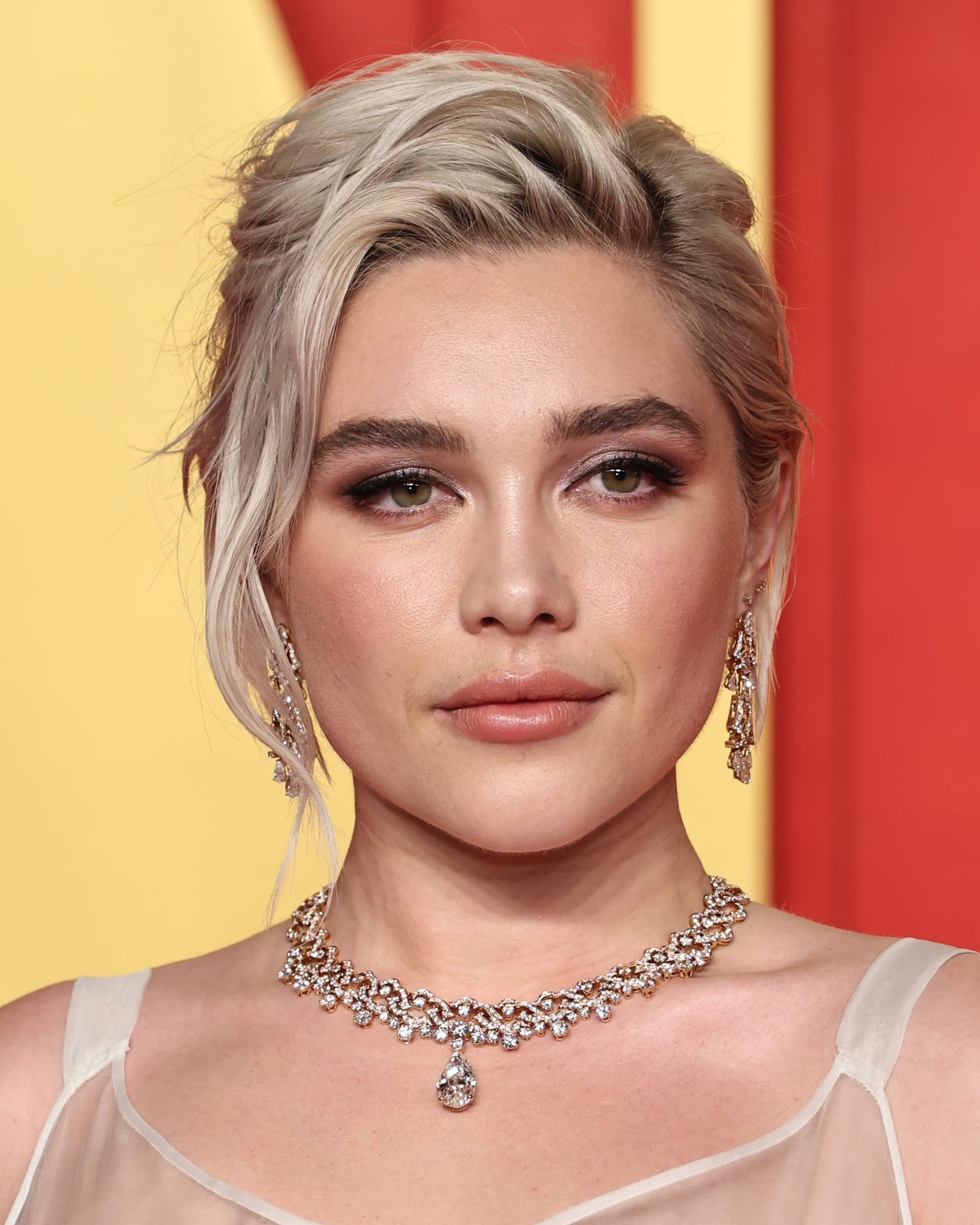
Platinum blonde hair is pulled into a loose bun at the back, but the real move is what is left out. Wavy tendrils at the sides break up the polish and keep this from looking like a ballet recital. Fine hair benefits from the slight chaos; angular faces get a soft frame from the wispy pieces. Ask your stylist for: messy updo, loose side tendrils. Secure the bun first, then pull out pieces with intention and set them with a light-hold hairspray. A formal event in any season works here, though summer calls for a dry texture spray to keep the hold.
Thick Dark Brown Low Ponytail
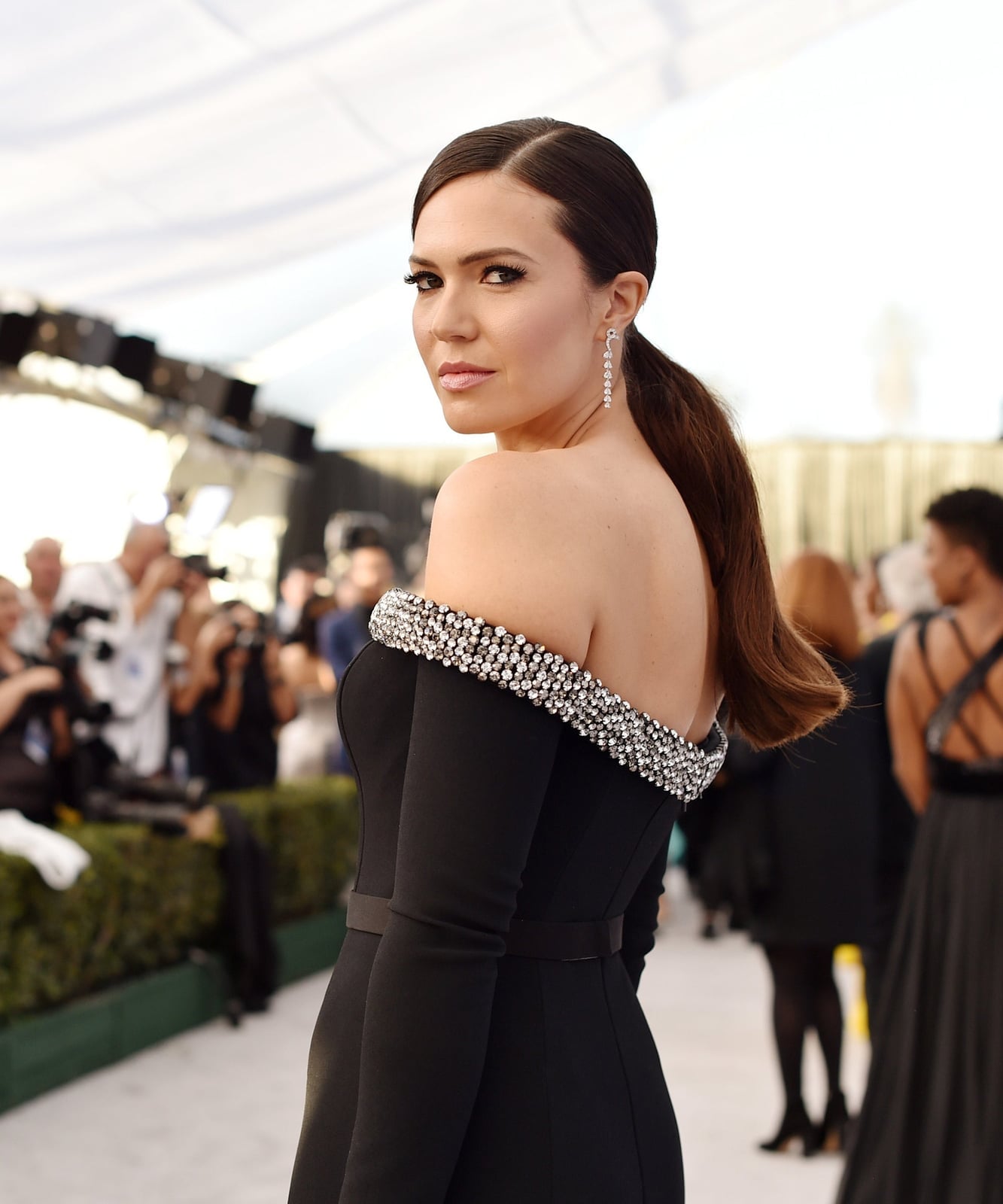
A low ponytail on thick, wavy hair solves a specific problem: too much volume in a high ponytail can look heavy. This one sits at the nape and lets the natural wave relax into the length, which reaches mid-back. The middle part keeps the face open. Ask your stylist for: sleek low ponytail, long layers. Surface control for flyaways is achieved with a smoothing product, and a hair tie that matches dark brown hides the elastic completely.
The hold is solid for a full work day or an evening event. Long layers mean the ends do not bunch at the elastic, so the ponytail stays smooth. A trim every eight to ten weeks keeps the shape clean.
Blonde Shoulder-Length Hollywood Waves
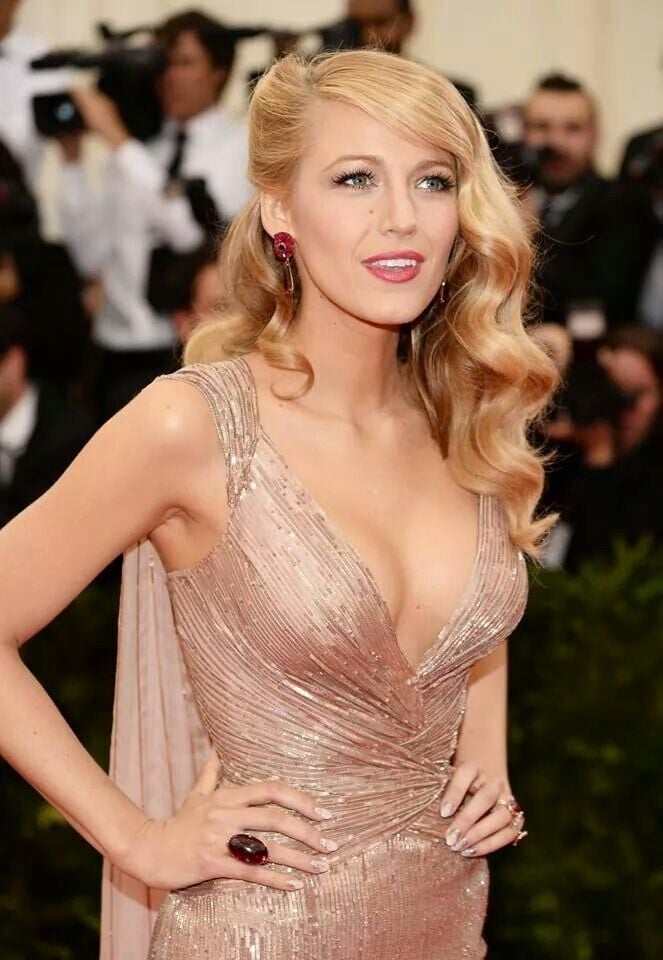
How do you get that old-Hollywood wave without the whole head looking like a curling iron demo? Shoulder-length blonde hair with subtle highlights needs a side part and a large barrel to create the bend, then a brush through and a pin to cool. Side-swept bangs complete the arc. Ask your stylist for: shoulder-length Hollywood waves, side-swept bangs. Medium-density hair holds the wave best; very fine hair may need a volumizing mousse before the iron. The payoff is a classic red carpet look that photographs from every angle without the shine going flat.
Mid-Back Platinum Blonde Loose Waves
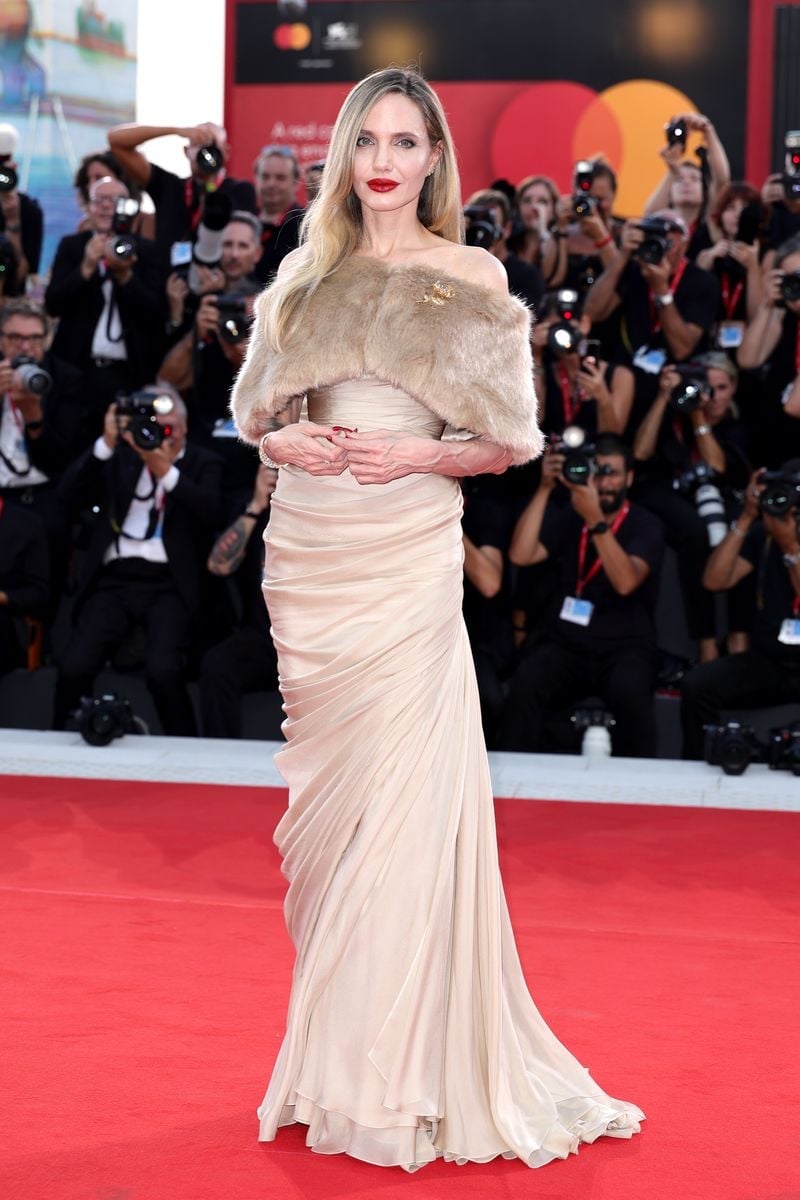
Loose waves on platinum blonde hair are the closest thing to effortless on a red carpet, but the comparison to a tighter, more structured curl is worth making. The loose version reads as softer and less formal, which suits a fine, wavy texture that would buckle under a tight set. The side part adds volume where fine hair needs it. Ask your stylist for: mid-back loose waves, platinum blonde. The drawback: fine hair in loose waves can drop by hour three if not set with a product. A texturizing spray at the roots helps, and a toning gloss every four weeks keeps the platinum from going brassy.
A full-body shot on the carpet shows the length moving freely, which is the whole point. The alternative is a tighter wave that holds longer but sacrifices the airy feel.
Shoulder-Length Blonde Loose Bun With Face-Framing Layers
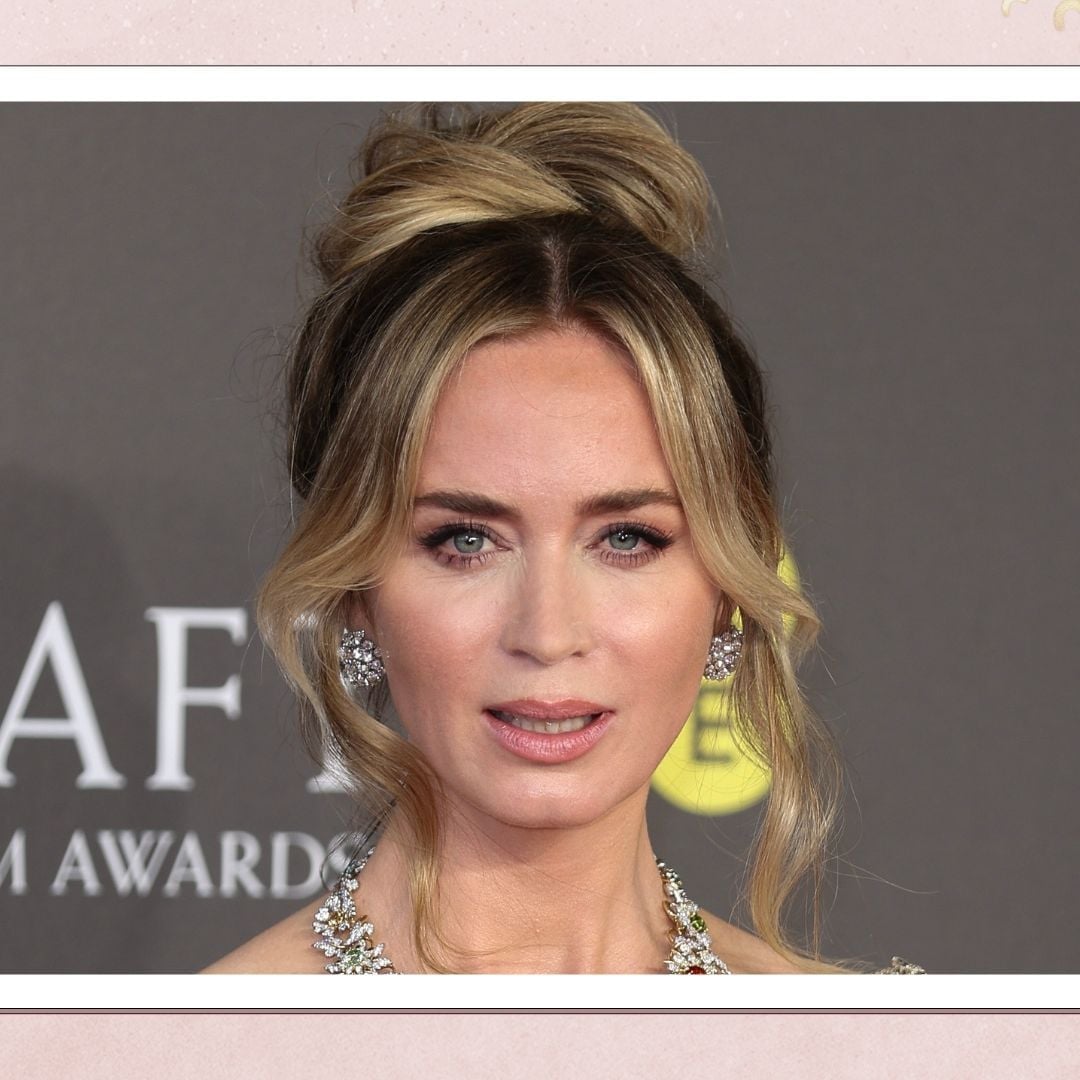
This is the bun for anyone who finds a slick ballerina knot too severe. Shoulder-length blonde hair with subtle highlights is gathered into a loose bun, and the face-framing layers are pulled out at the front. Those soft pieces soften a square jaw and break up a long face shape. Ask your stylist for: loose bun, face-framing layers. The wavy texture gives the bun grip without needing pins everywhere. A light-hold spray at the pulled-out pieces keeps them in place without stiffness. The whole thing reads as polished but not stiff, which is harder to achieve than it looks.
Ear-Length Black Bob With Short Bangs
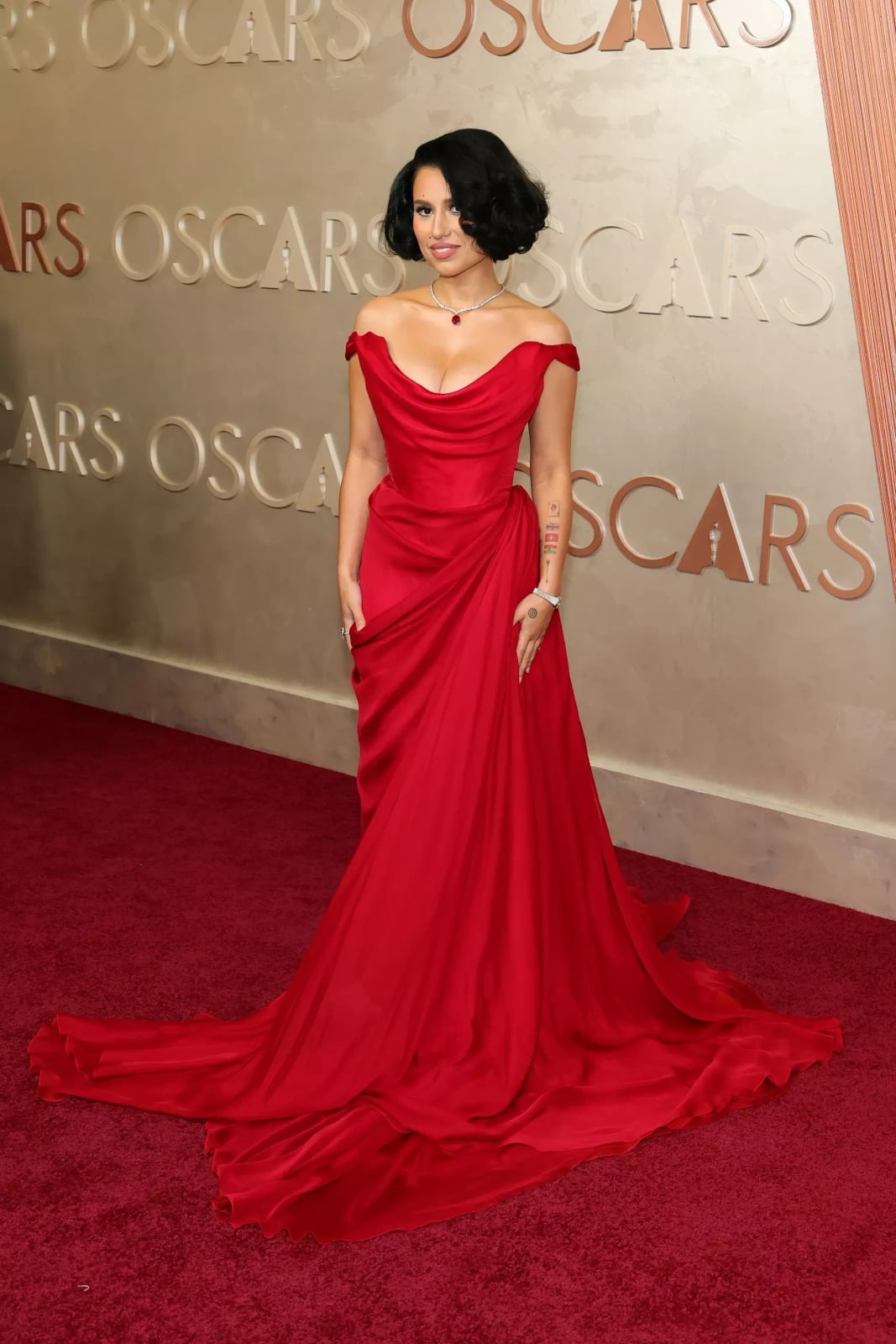
An ear-length black bob with short bangs and a side parting creates a graphic, precise shape that relies on sharp lines. Fine, straight hair takes well to this blunt cut, but the short bangs need regular trims every three to four weeks to stay off the brows. Ask your stylist for: ear-length blunt bob, short bangs. A flat iron keeps the line sharp, and a heat protectant is essential for daily smoothing. The side parting softens the geometry just enough for a red carpet that favors strict lines.
Chin-Length Blonde Bob With Vintage Waves, Suitable For A Formal Event
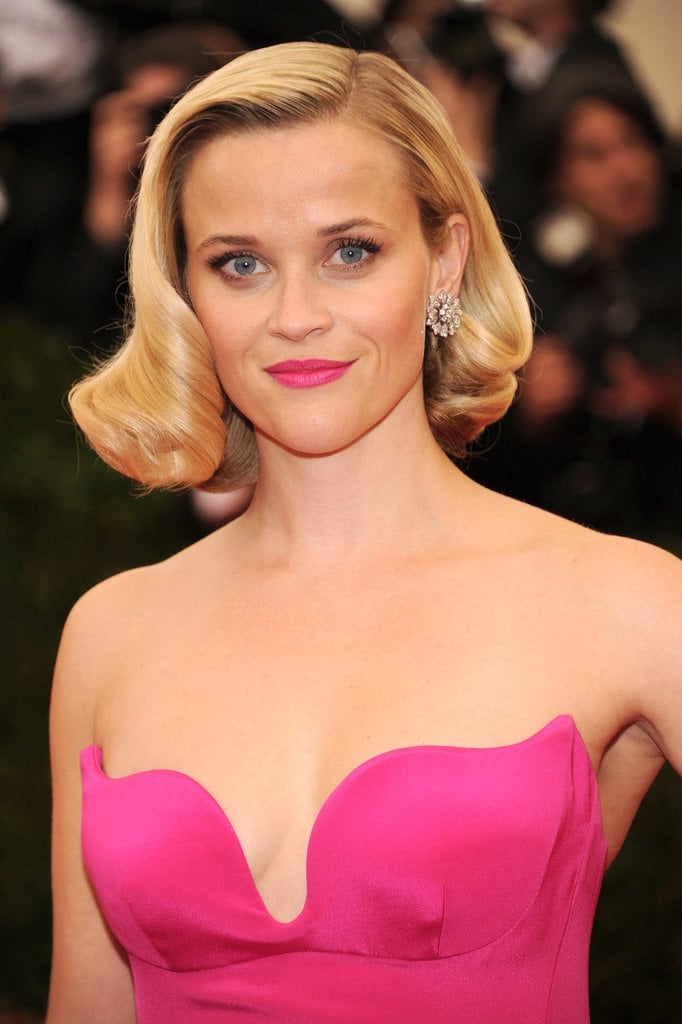
A chin-length blonde bob with soft vintage waves and a side parting lands firmly in spring and summer formal territory. The S-curves need a setting lotion and a medium barrel curling iron, plus a light hairspray that won’t stiffen the fine texture. Ask your stylist for: chin-length bob, soft vintage waves. A strong jawline gives the bob extra lift, and the blonde base requires a toning shampoo every four to six weeks to keep brassiness from dulling the retro mood.
Shoulder-Length Blonde Wavy Blowout
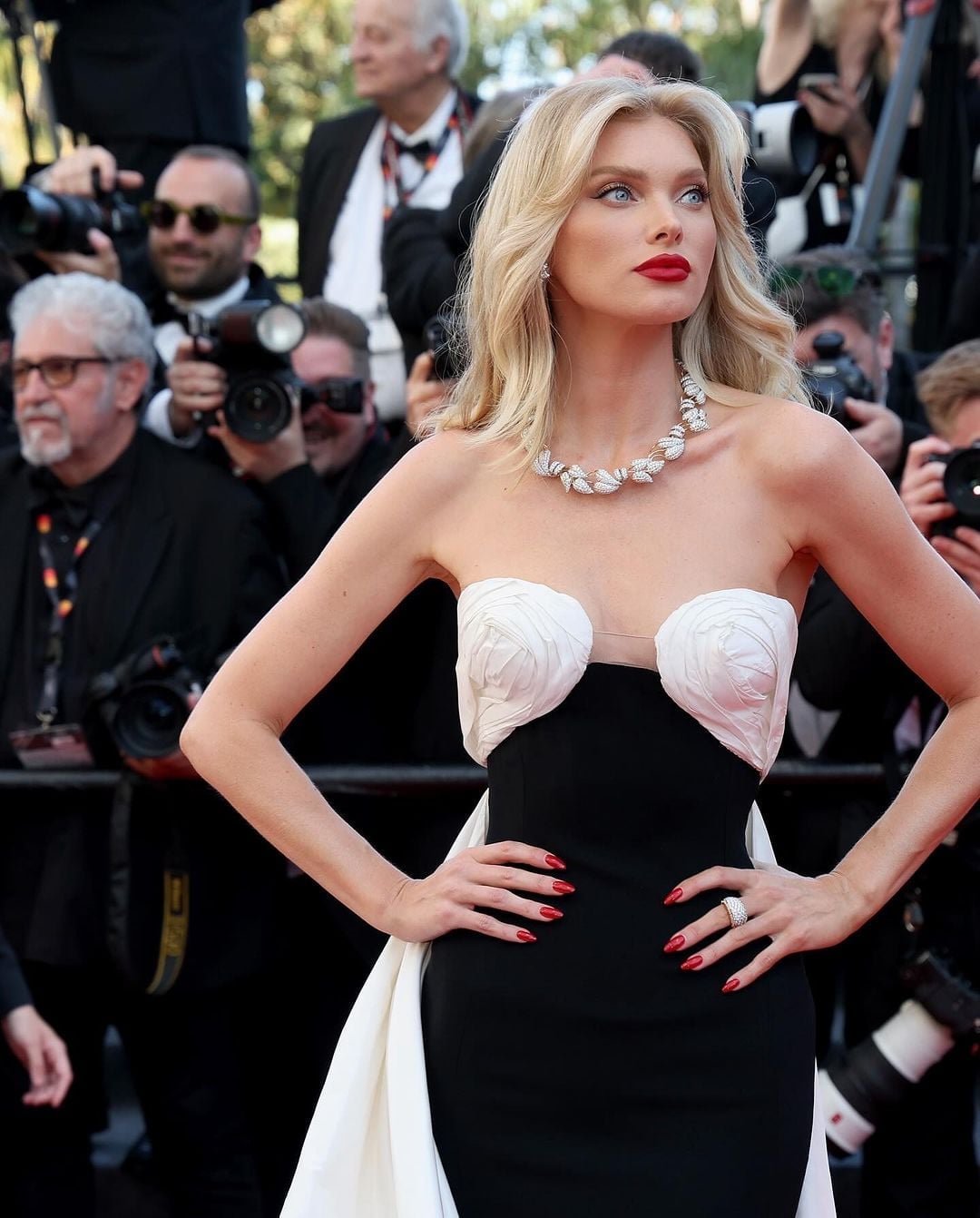
A shoulder-length wavy blowout with a deep side part and glossy finish is a salon-born technique that is notoriously tricky to replicate at home. The stylist uses a round brush and a concentrated dryer nozzle to smooth each section, then a texturizing spray to define the loose waves without weigh-down. Ask your stylist for: shoulder-length wavy blowout, deep side part. Medium-density wavy hair holds the shape best. A DIY version with a large-barrel curling wand gets you eighty percent of the way there in half the time, but the volume at the root will not match the professional finish.
Thick Coily Black Hair In Two Buns With Pearls
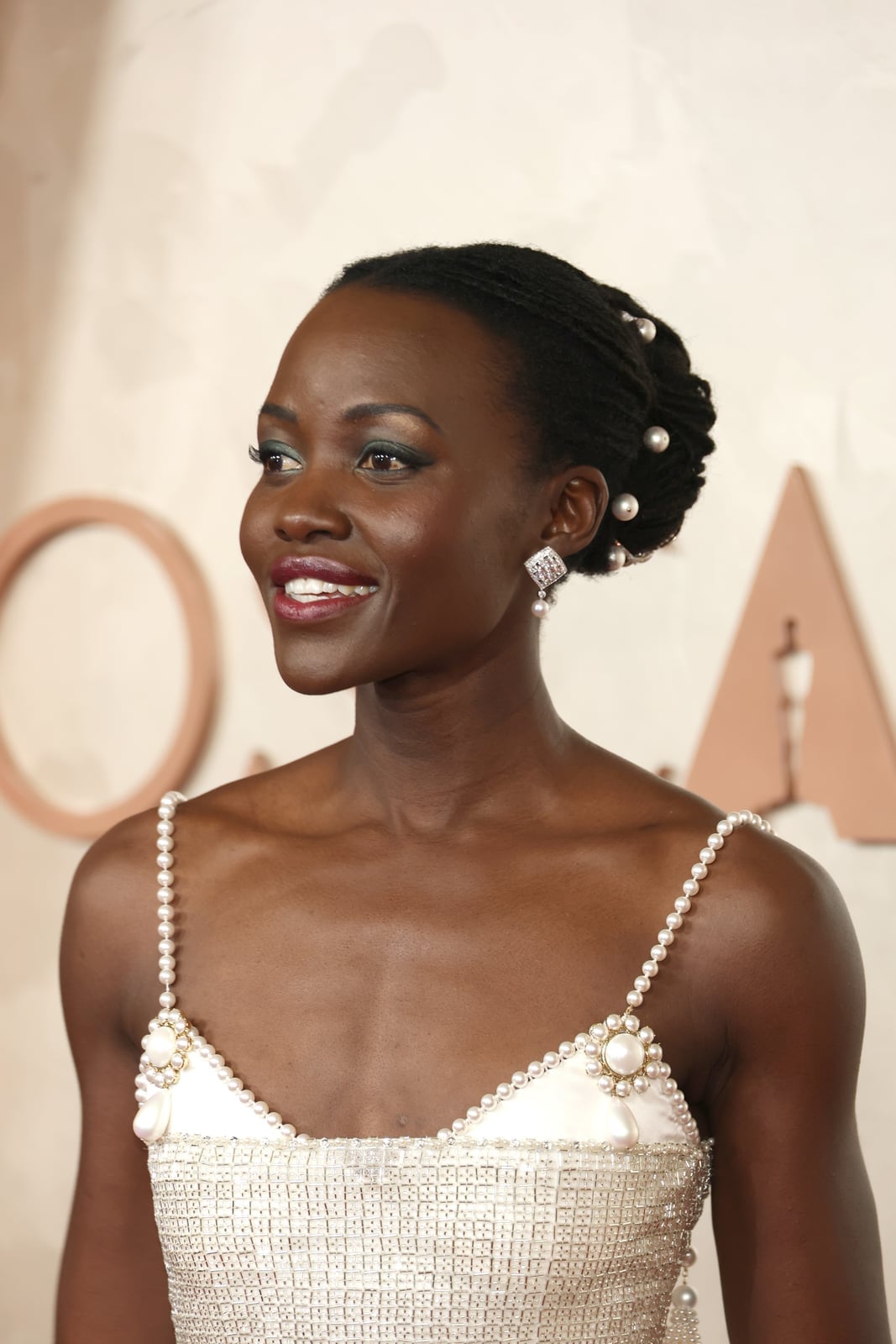
How do you request two buns adorned with pearls for thick, coily hair without it sounding like a costume? Start with the texture: a strong-hold gel smooths the coils into submission, and each bun is secured with firm bobby pins before the pearls are threaded through. Ask your stylist for: two buns with pearls, pulled back. The honesty is that the weight of thick hair in two buns can pull at the scalp after a few hours, so a lightweight styling cream underneath helps. The payoff is an architectural updo that reads as modern, not nostalgic.
Sleek Black Low Bun
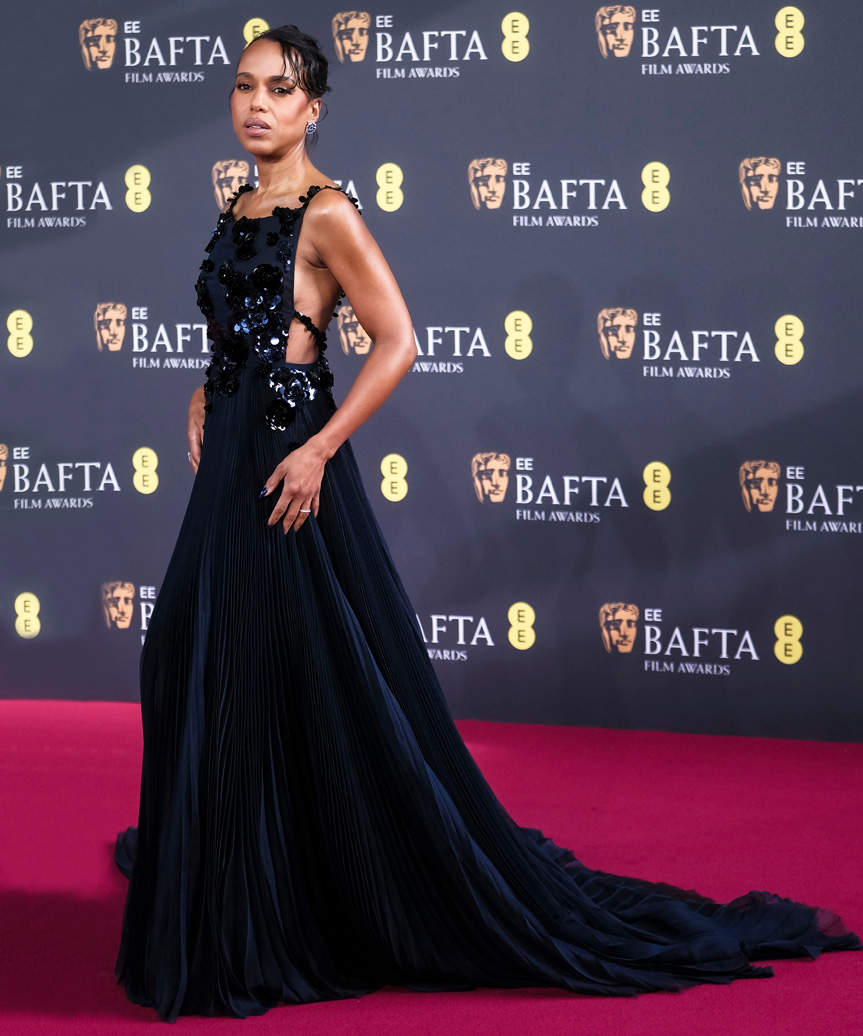
A sleek black low bun at the nape with a slicked-back parting is the minimalist’s formal answer for thick, straight hair. The clean lines elongate a round face and let a dramatic neckline or earrings do the talking. Ask your stylist for: sleek low bun, slicked back. A strong-hold pomade or gel is essential for the slicked finish, and the bun should be secured tightly enough to last through dinner and dancing. A trim every eight to ten weeks keeps the ends blunt and the shape architectural rather than frayed.
Mid-Back Dark Brown Wet Look
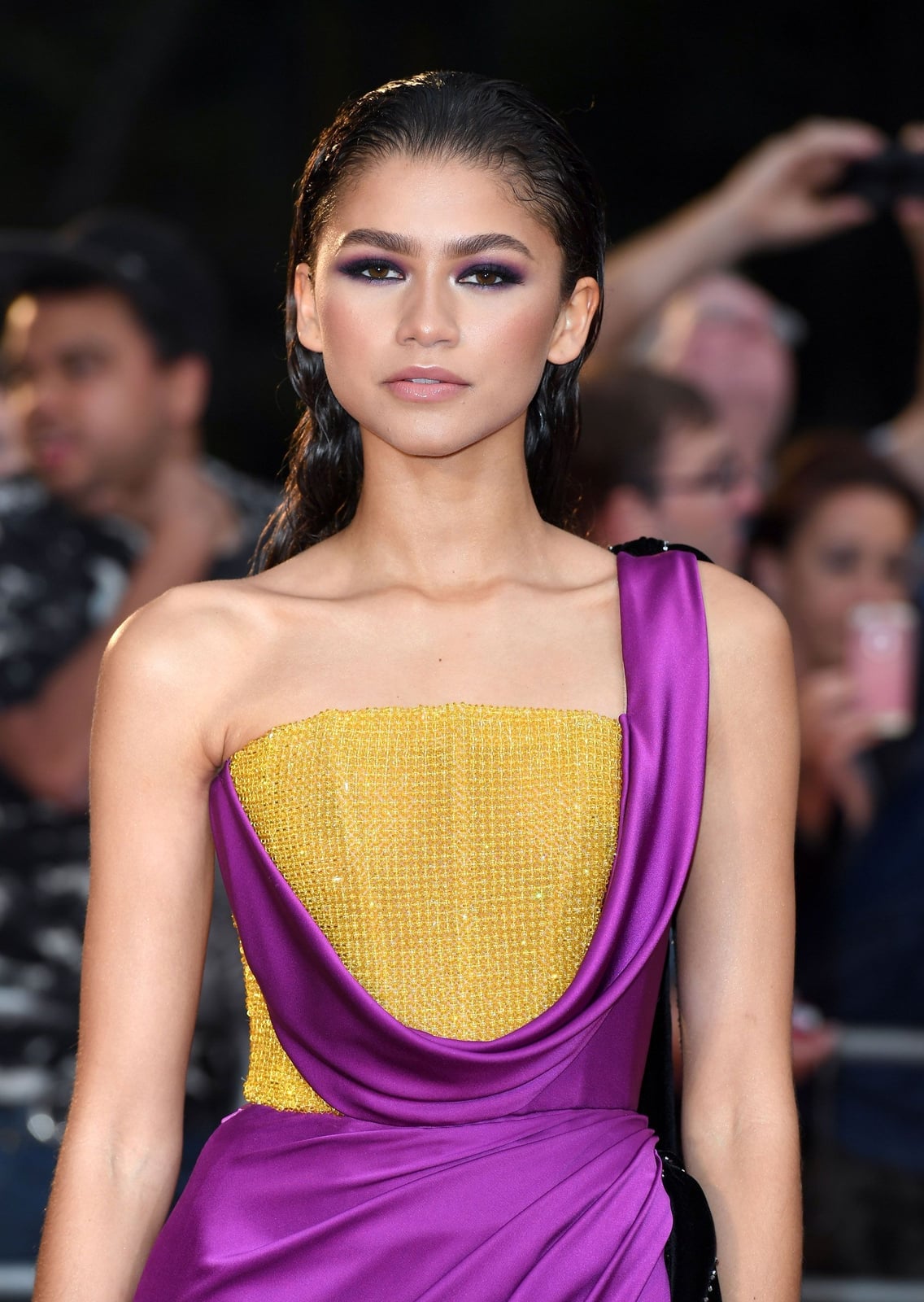
The wet look is a design choice, not a styling accident. Mid-back length dark brown hair with a natural wavy texture gets slicked back from a middle part using strong-hold gel or pomade, applied to damp hair for that glossy, sealed finish. The waves are still there under the shine, which saves you from flat-ironing them into submission.
Ask your stylist for: mid-back wet look, slicked back. This look holds best on medium-density wavy hair that can grip product without feeling heavy. It will dry and lose its sheen over the course of an evening, so a touch-up spray or a dab of gel on dry sections revives the gloss. A trim every eight to ten weeks keeps the ends clean.
Mid-Back Dark Brown High Ponytail With Highlights, Straight
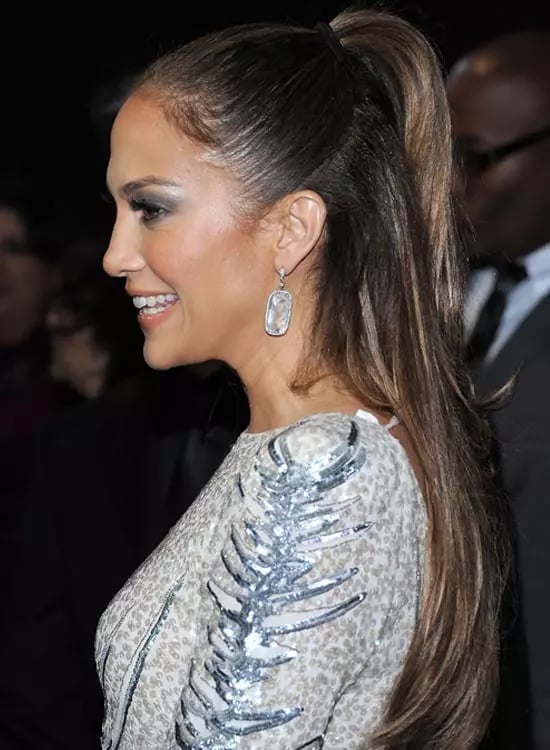
A straight high ponytail is sharper than its wavy cousin. Dark brown hair with subtle highlights is pulled from a middle part into a sleek high ponytail that falls straight down the back. The thickness of the hair gives the ponytail weight, while the highlights add dimension and prevent the solid color from looking flat.
Ask your stylist for: high sleek ponytail, dark brown with highlights. This version suits formal occasions better than a loose, wavy ponytail, which skews softer and more casual. Thick hair holds the shape without extra padding, and the middle part keeps the look clean. Every flyaway shows, so a boar bristle brush and a light hairspray are your tools for keeping it smooth.
Blonde Updo With Sculpted Side-Swept Bang
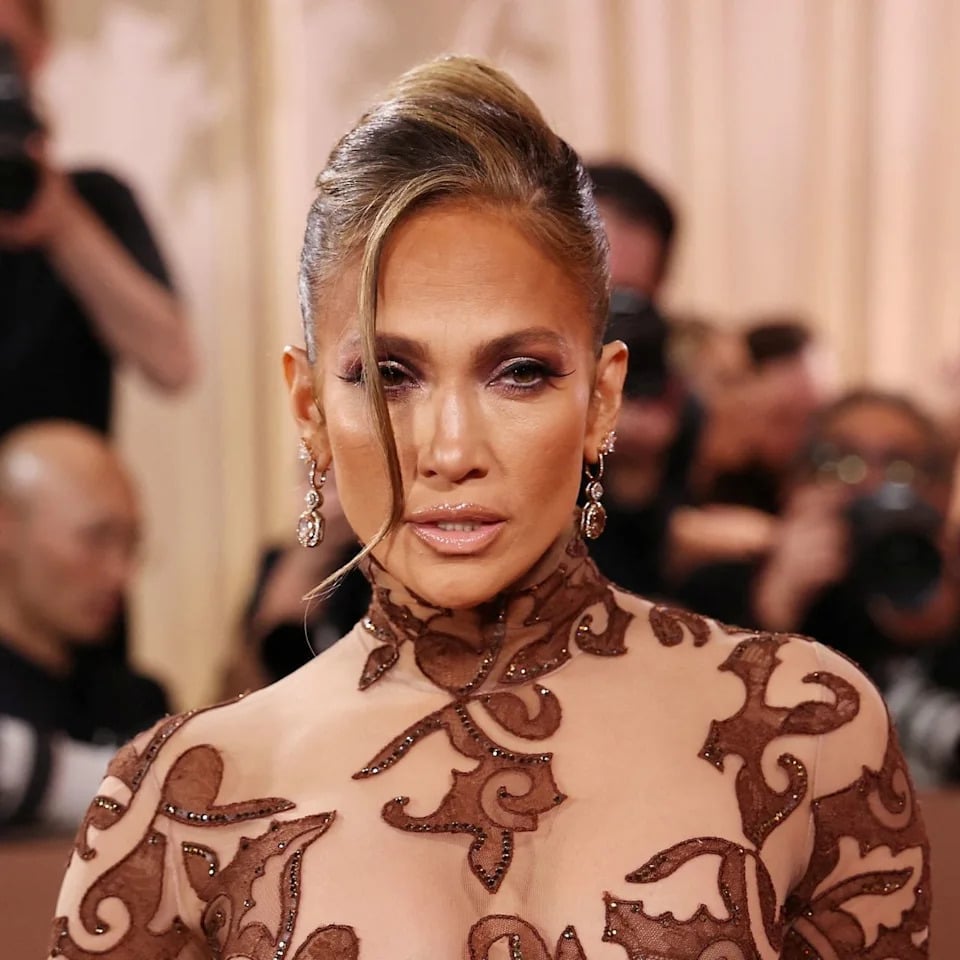
The sculpted side-swept bang is the focal point here. Shoulder-length blonde hair with highlights is slicked back from a middle part into a low updo, but the front section is shaped into a curved, side-swept bang that frames the face. The wavy texture of the hair adds grip, making it easier for the stylist to mold the bang into place with a strong-hold gel. At home, replicating that precise curve requires patience and a fine-tooth comb. The rest of the updo is straightforward: gather the hair at the nape, twist, pin. This is a salon-level finish for a formal event where the front profile matters more than the back.
Collarbone Dark Blonde Blowout With Face-Framing Layers
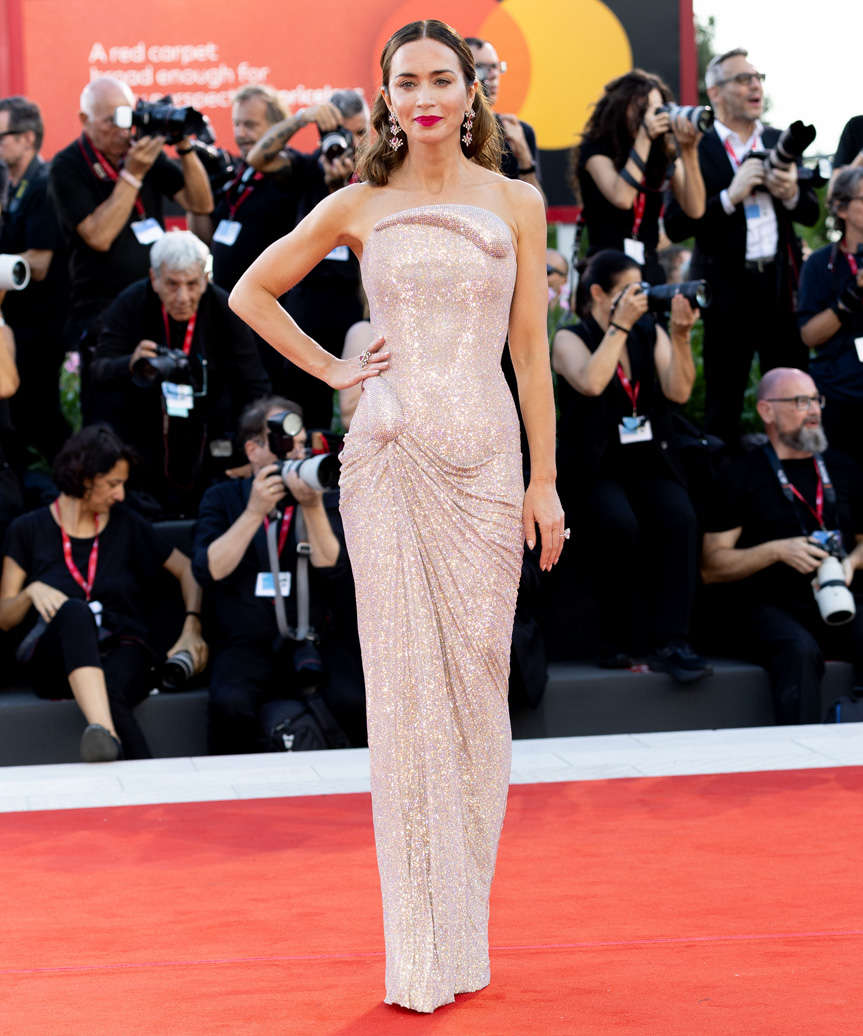
This collarbone-length dark blonde blowout with face-framing layers is a reliable shape for medium-density wavy hair. The layers are cut to fall around the collarbone, softening the line of the jaw without losing length. A side part and a round brush create the smooth, bouncy wave pattern. The drawback is that the face-framing layers need a trim every six to eight weeks to keep their shape, or they start to look stringy rather than intentional. Best on those with oval or heart-shaped faces, where the layers can follow the natural angles.
Chin-Length Strawberry Blonde Bob With Vintage Waves, Side-Swept
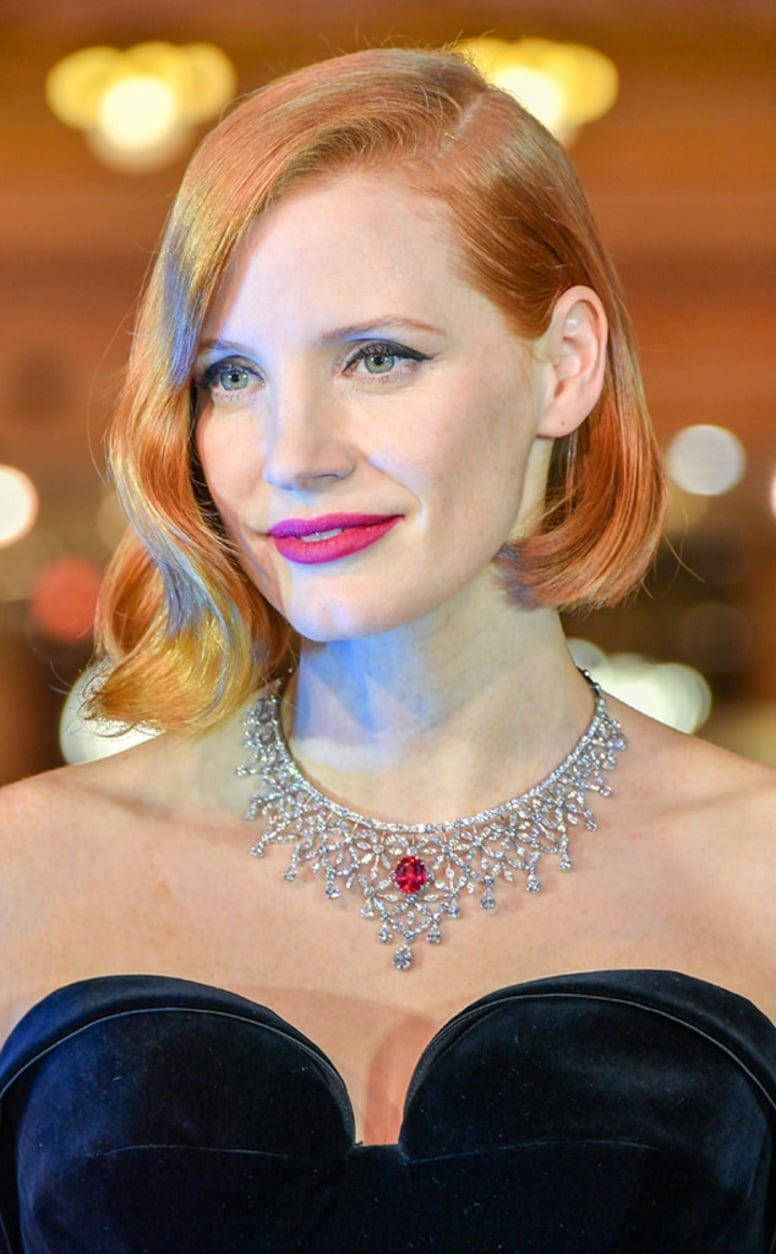
To recreate a strawberry blonde with golden highlights and vintage waves on a chin-length bob, ask your colorist for: chin-length bob, vintage waves, strawberry blonde. The base is a warm strawberry blonde, with fine golden highlights woven through the top sections for a luminous effect. The bob is cut to chin length with a deep side part, then set in soft, S-shaped waves using a medium-barrel curling iron and a setting lotion. The side-swept bangs are incorporated into the wave pattern, so they curve away from the face instead of lying flat. This is a vintage-inspired shape that asks for a gloss finish and a light hairspray to hold the curl without stiffness.
Long Dark Brown Twisted Bun
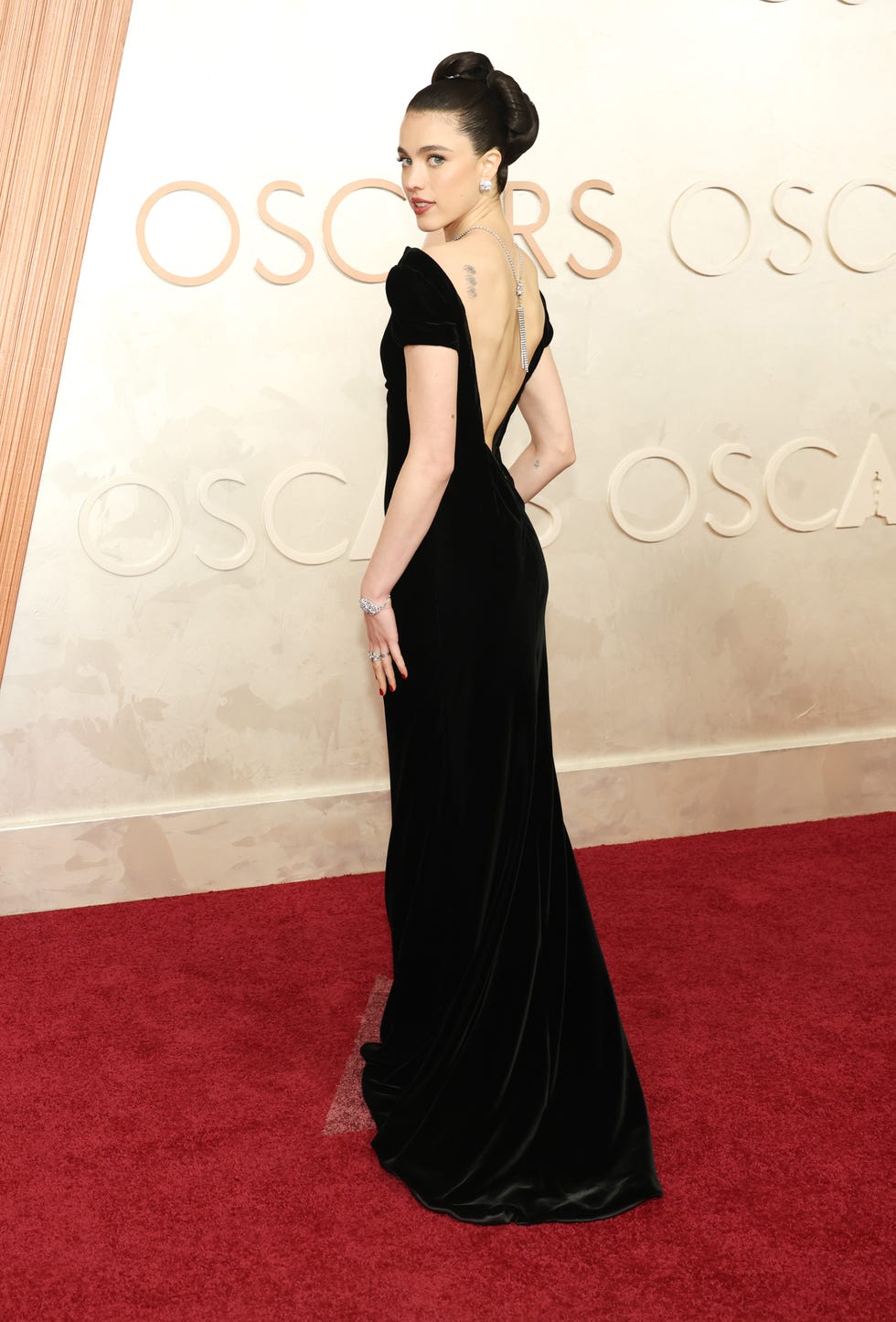
An intricate twisted bun at the nape demands precision in the build, not just patience. The dark brown hair is slicked back from the face with zero flyaways, which means a strong-hold gel or pomade is doing the heavy work before a single pin goes in. The bun itself is a series of interlocking twists, each one pinned separately to hold its shape through a long evening. A trim every eight to ten weeks keeps the ends healthy enough to stay smooth when pulled tight. Ask your stylist for: intricate twisted bun, slicked back.
Long hair has the weight to keep a bun secure, but the real test is the finish. A smoothing product applied before slicking prevents the polished look from turning brittle by hour three. This is a salon-level construction, not a five-minute twist. The result is a silhouette that stays exactly where it was placed, no adjustments needed.
Mid-Back Wavy Dark Brown With Highlights, Side Swept
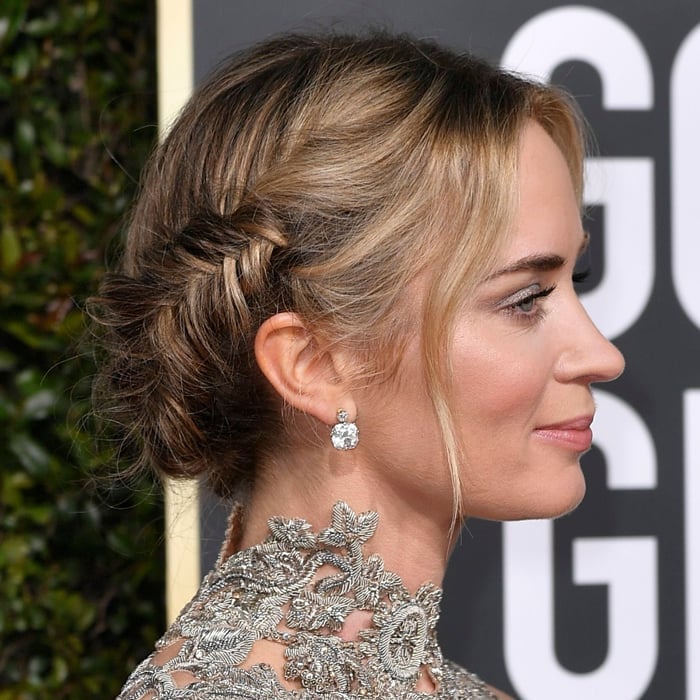
A deep side part changes the entire weight distribution of wavy hair, and this mid-back length proves it. The dark brown base is lifted by subtle highlights in the wave bends, not the roots. The waves are loose enough to move but polished enough to hold a defined S-pattern, which is a blowout with a round brush, not a curling iron. This is a versatile shape for any season, adapting to a formal gala or a warm-weather premiere without looking overwrought. Ask your colorist for: mid-back loose waves, deep side part.
Thick hair carries these waves well because the volume stays at the mid-lengths and does not fall flat at the ends. The side part adds lift at the crown, which elongates the silhouette naturally. A smoothing serum on the mid-lengths keeps the gloss without weighing down the wave pattern. The highlights will need a toner refresh every eight to twelve weeks to keep the contrast soft and not brassy.
Collarbone Blonde Braided Updo
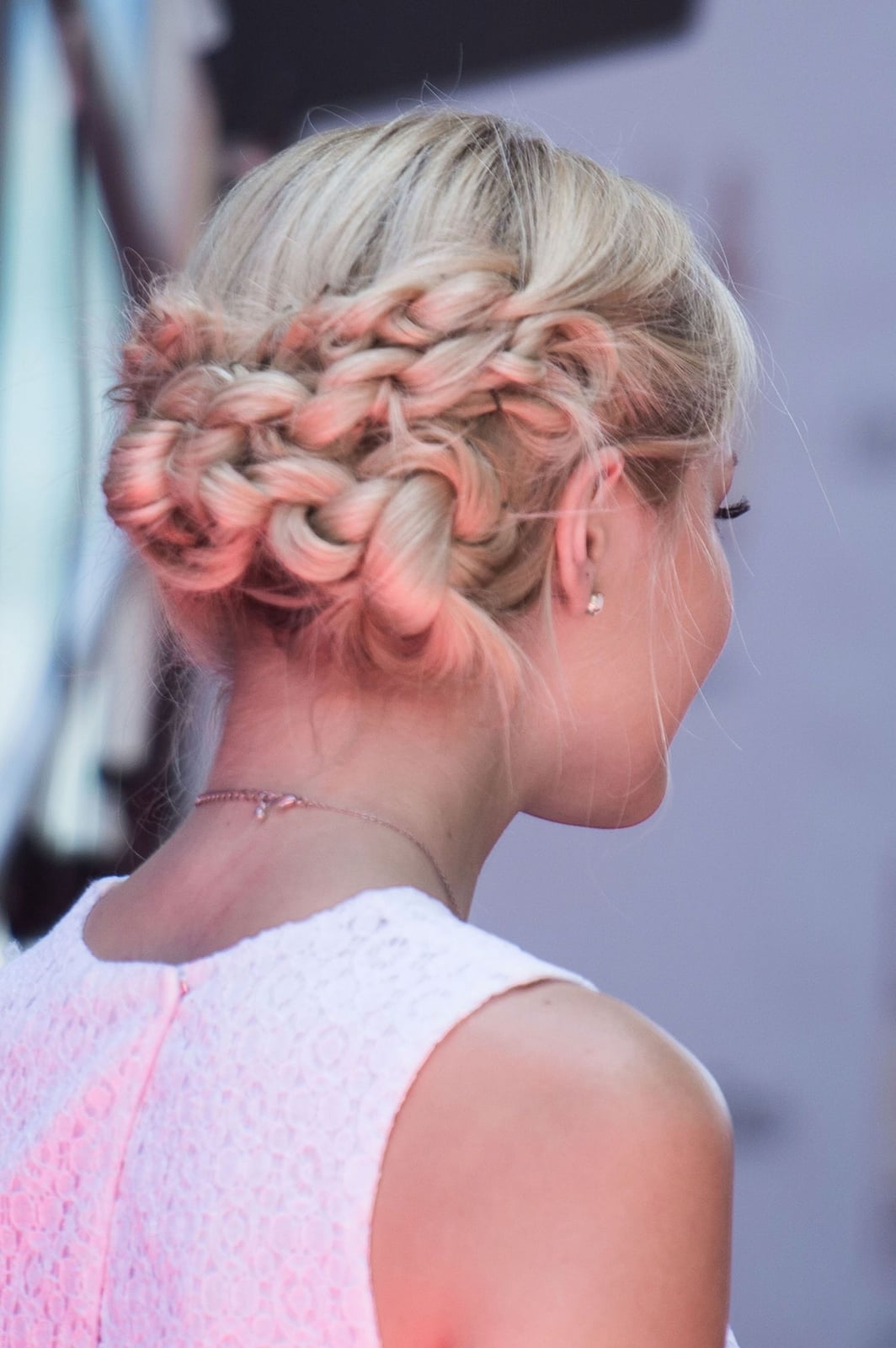
Multiple braids woven together into a textured bun is the kind of technique that separates a salon updo from a bedroom experiment. The collarbone-length blonde hair is sectioned into several strands, each braided individually before being pinned into a cohesive shape at the back. The wavy texture of the base helps the braids hold their form without slipping. This is a salon-only proposition, not a DIY project for a Saturday night. Ask your stylist for: collarbone braided updo. The skill required is in the tension, each braid must be uniform or the whole structure loosens.
Shoulder-Length Blonde High Ponytail
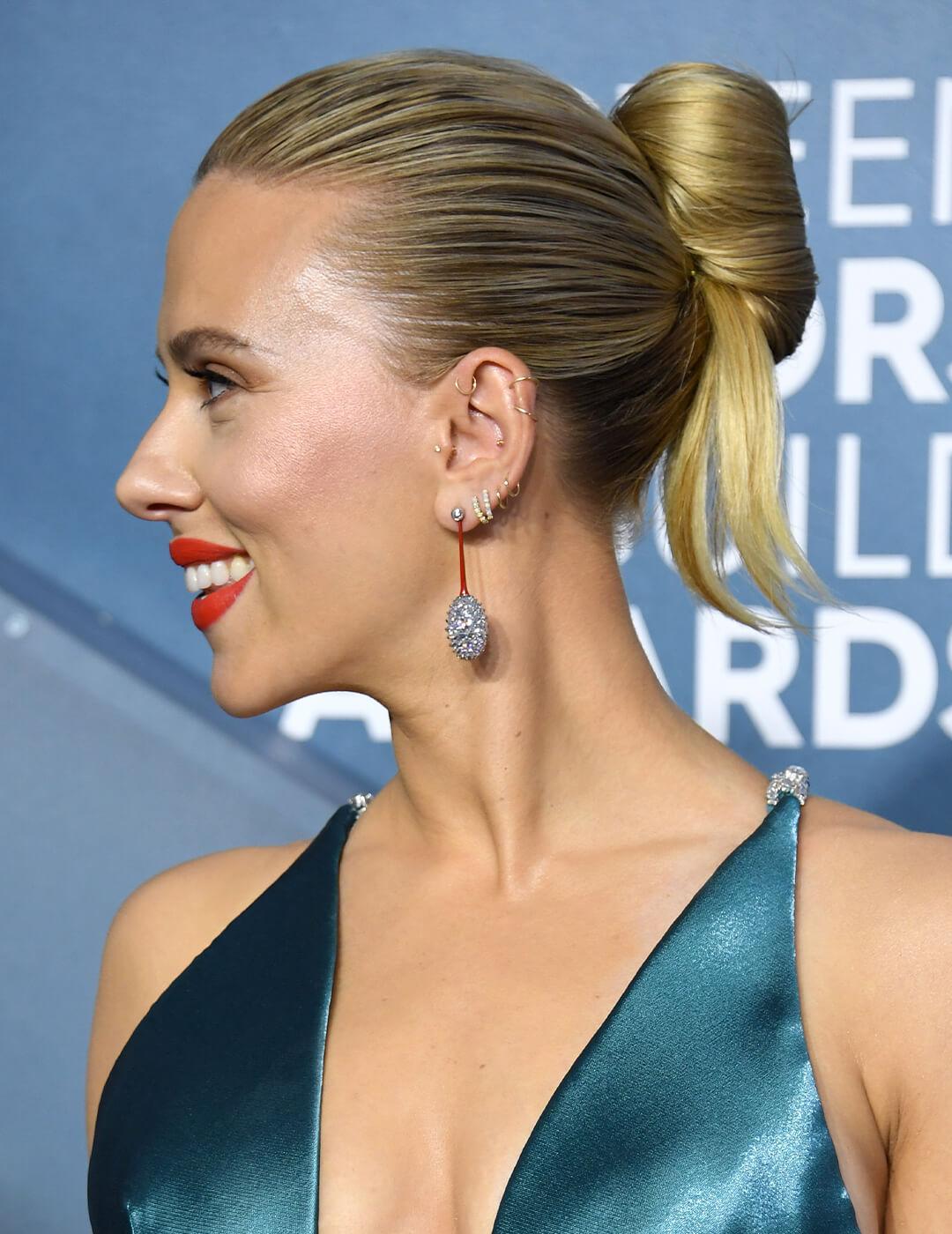
A sculpted high ponytail works best on fine, straight hair because the texture cooperates with a slicked-back finish rather than fighting it. The blonde length is pulled tight from the front, with the ponytail itself shaped into a bow-like curve at the crown. This is a modern, structured silhouette that elongates the face and requires a strong-hold gel to maintain the sleek surface. The honest downside: fine hair can show every bump, so the application has to be precise from the first pass. Ask your stylist for: high sculpted ponytail, shoulder length. This is a salon finish, not a rushed morning style.
Chin-Length Blonde Bob With Side-Swept Bangs
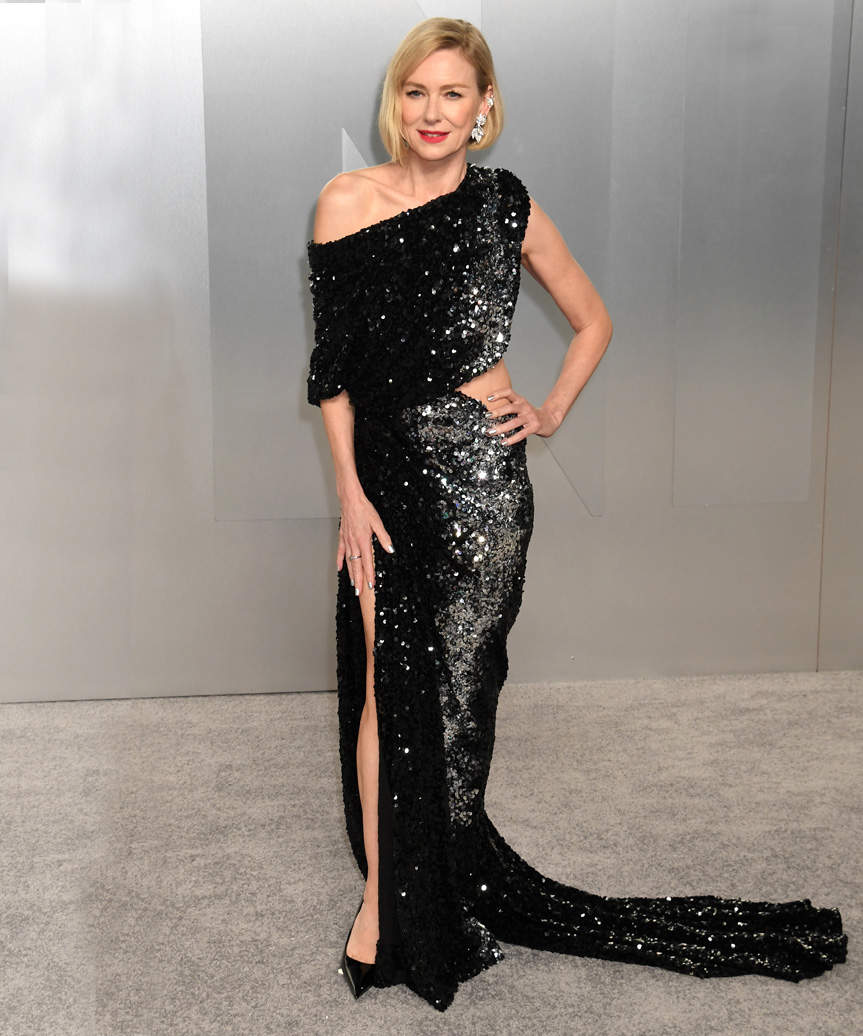
How do you ask for a bob that lands exactly at the chin with side-swept bangs that sweep, not hover? Start with the words. The fine, straight blonde hair is cut to a clean line at the chin, with the bangs angled to one side to soften the perimeter. A flat iron is the tool for the sleek finish, and a light-hold spray keeps the bangs from drifting back to center. Ask your stylist for: chin-length sleek bob, side-swept bangs. The side part is key here, it directs the bangs and prevents the bob from reading as a blunt helmet.
Collarbone Dark Brown Braided Bun
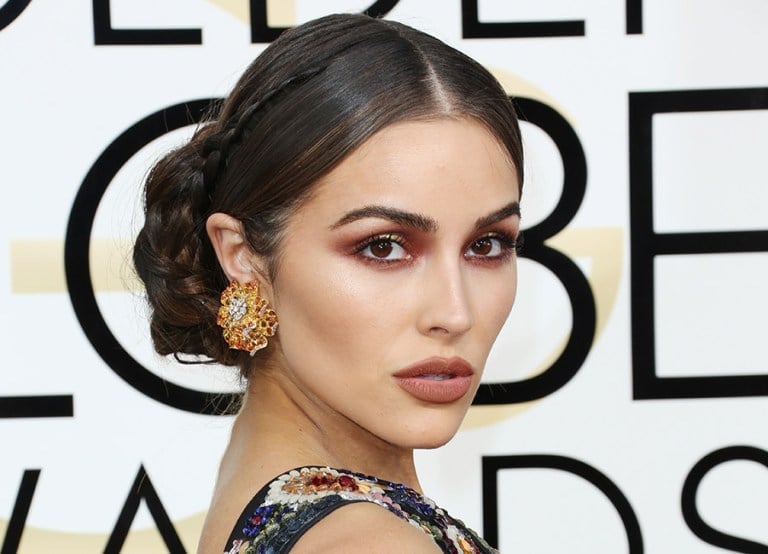
A middle part, thick straight dark brown hair pulled back into a single braid that wraps into a bun at the collarbone. The side view shows the braid’s structure, which relies on even tension to stay intact. Thick, straight hair holds the shape best, as the texture gives the braid enough grip to resist loosening over a long evening. A strong-hold hairspray keeps flyaways sealed. Ask your stylist for: collarbone braided bun. A trim every eight to ten weeks keeps the ends from fraying and the braid looking clean.
Mid-Back Wavy Red Hair
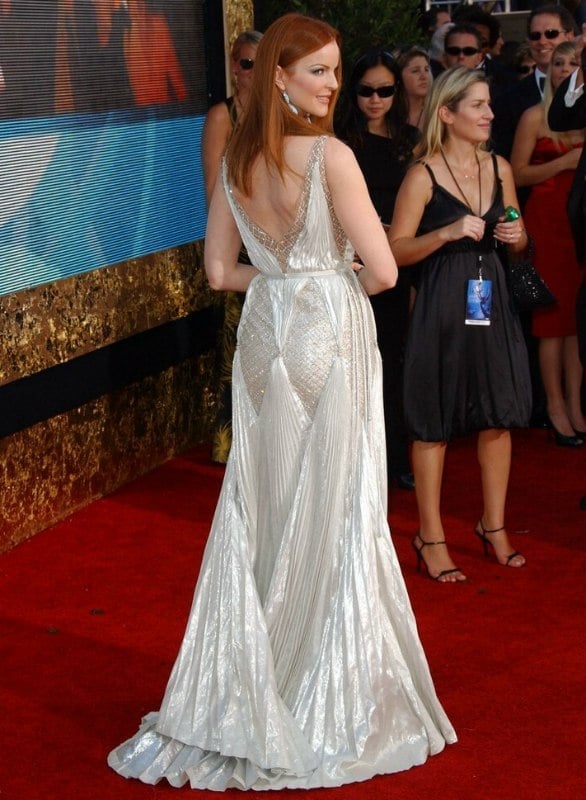
Set this mid-back wavy red hair against a cool-toned blonde and the difference is immediate: red demands a higher maintenance commitment but rewards with a richer visual depth. The tapered cut allows the wavy texture to flow naturally, avoiding the heavy triangle shape that can happen with blunt ends on wavy hair. The one real drawback is fading, red pigment is notoriously short-lived and needs a color-depositing conditioner every wash to keep it from turning brassy orange.
Medium to thick wavy hair can hold the wave pattern without product overload. A smoothing serum controls frizz without flattening the wave. Ask your colorist for: mid-back wavy red hair. The color refresh schedule is every four to six weeks, depending on how often you wash.
Final Thoughts
For maximum red carpet impact, consider styles with strong structural elements like sculpted waves, intricate braids, or sharp blunt cuts. For a softer approach, opt for loose waves or undone updos with face-framing pieces. Red carpet hair is about making a statement.
- Maintain updos and braids with touch-ups every 4-6 weeks.
- Blunt cuts and bobs need trims every 6-8 weeks.
- Tone platinum and reds every 4-6 weeks.
- Always use a heat protectant before styling.
- Deep condition weekly for sleek styles.