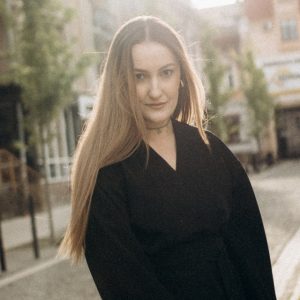
The low puff is a low ponytail or bun pulled forward at the nape, kept sleek or left full, and finished with a soft edge. For 2027, the style trades stiff gel for gloss and natural texture, and it works on any length that reaches the jaw.
These 16 versions of the Low Puff 2027 run from front-focused, polished shapes to braided or voluminous finishes. They suit fine hair that needs body, thick hair that needs control, and every density in between. If your go-to style falls flat by noon or your edges refuse to stay put, there is a puff here that solves it without a salon visit.
Sleek Low Puff With Side Swept Bangs
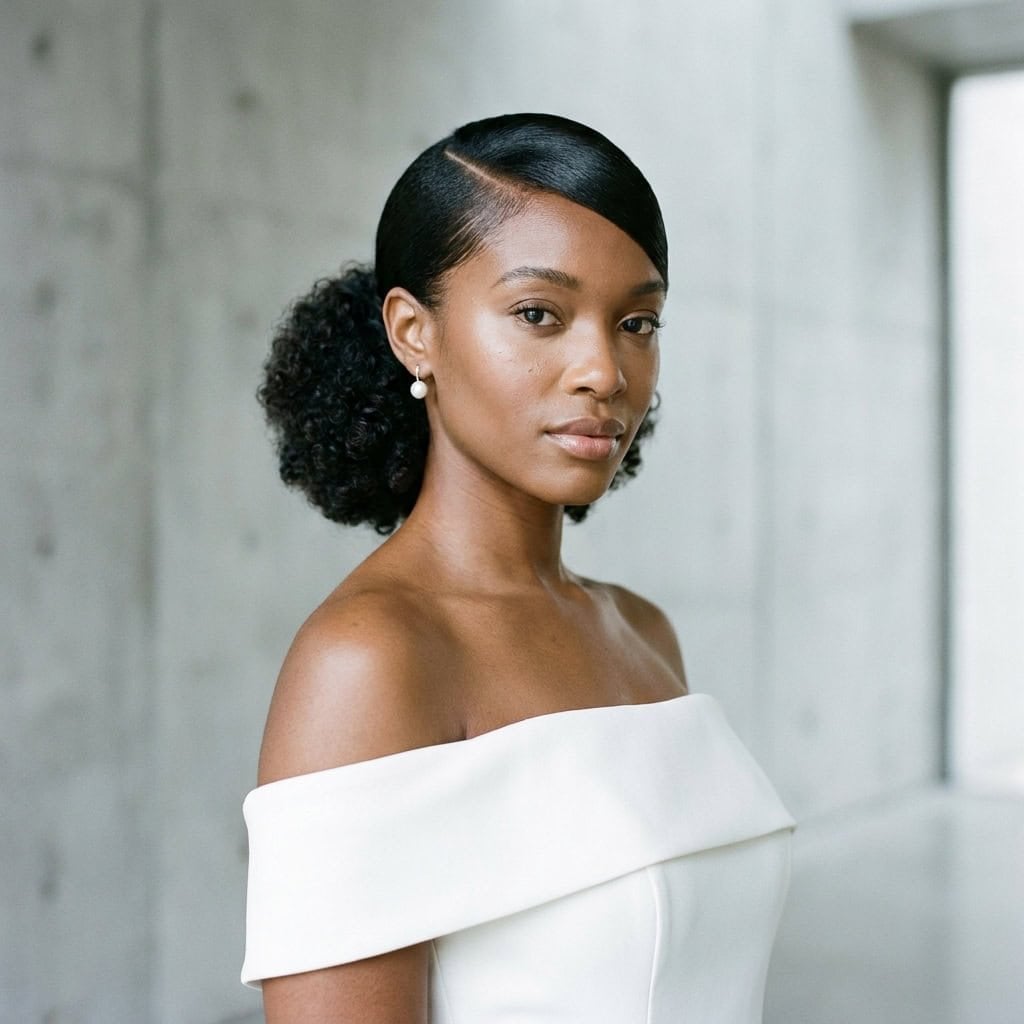
A deep side part gives this low puff its architecture, with a side-swept bang that lands just past the brow and blends into the slicked-back front. Thick, wavy hair that can be smoothed flat without fighting back suits this best; the asymmetry of the side part and bang complements oval and heart-shaped faces. Ask your stylist for: sleek low puff with deep side part and side swept bang. Use a boar bristle brush and a smoothing serum to get that glassy front, then trim the bang every three to four weeks so it stays at the right spot.
Intricate Braided Sides To Low Puff
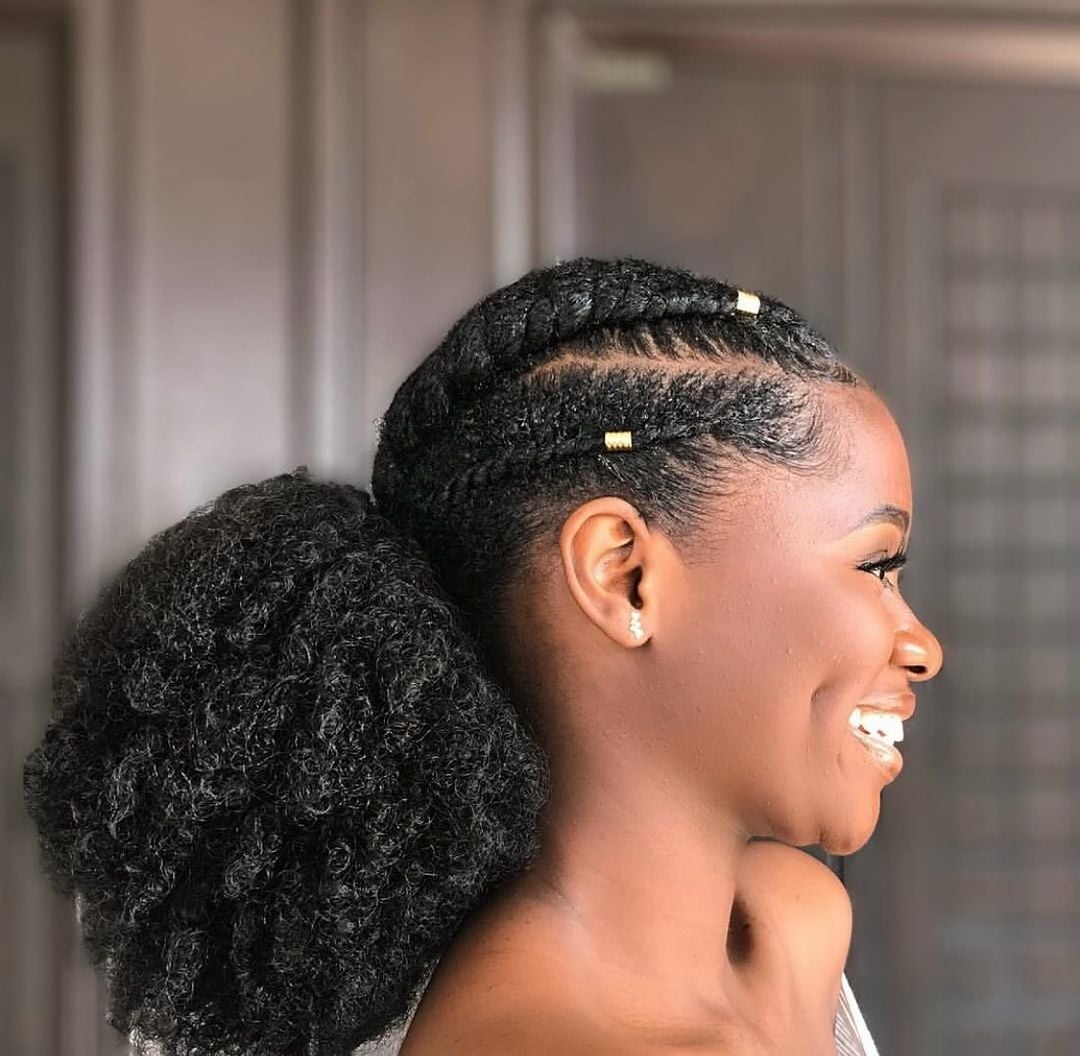
This style starts with two cornrow-like braids that run from the temples and meet into a single, generous puff at the nape. The braids need mid-back length to feed properly, and thick, curly hair holds the tension best. Ask your stylist for: braided sides into a low textured puff with gold beads. Small gold bead accents along the braids add a deliberate finish. The braiding itself takes about 45 minutes in the chair; the puff is gathered last and pinned into place.
Braided Updo With Low Puff
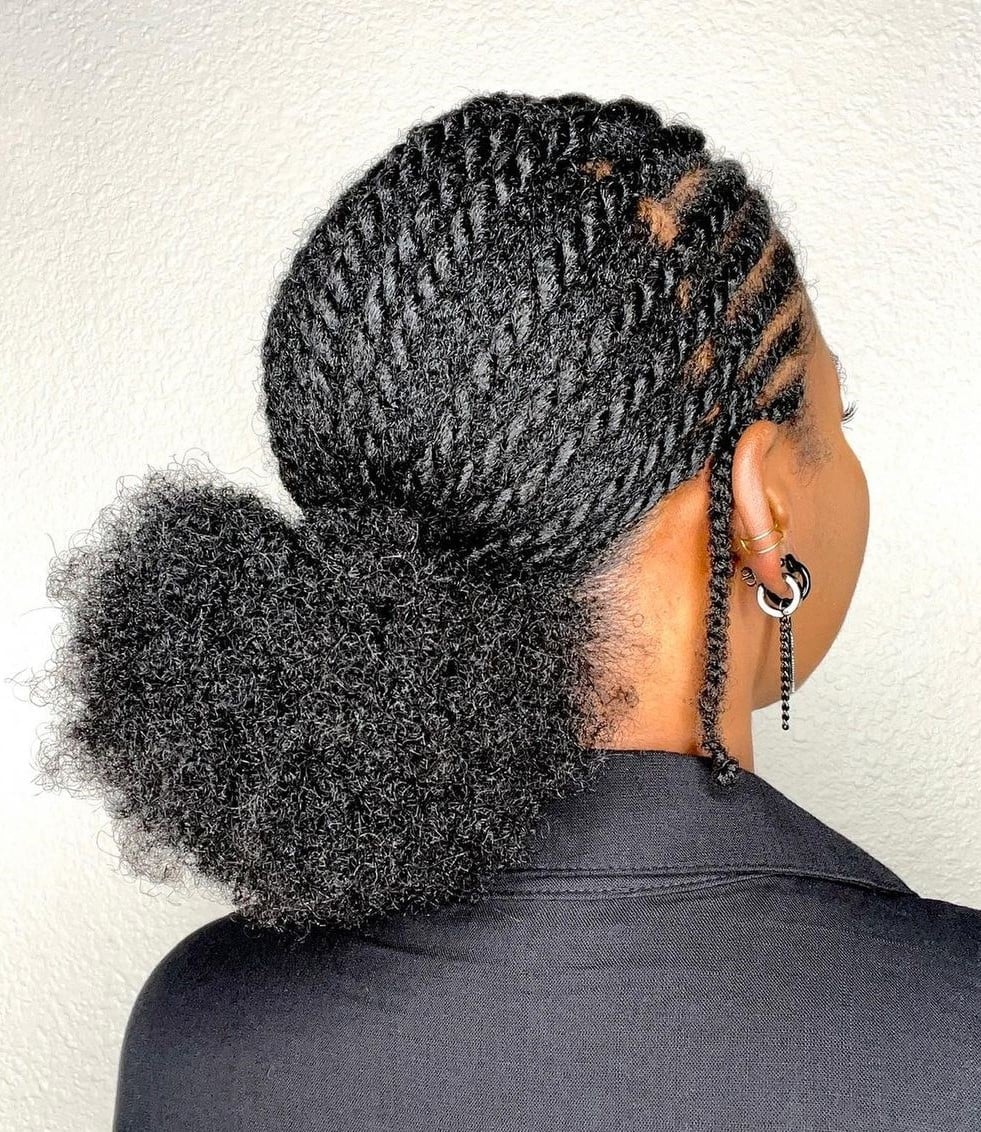
A simple low puff sits at the nape, but the braided updo version earns its keep through the three or four braided sections that feed into it. Thick, coily hair that can hold a braid pattern without slipping is ideal; the side part breaks up the symmetry. Ask your stylist for: braided sections leading to a low puff with a side part. Apply a light gel along the braids for shine, and sleep with a satin bonnet to keep the style intact for a second day. A trim every eight weeks keeps the ends from fraying.
Collarbone Lob With Loose Low Bun
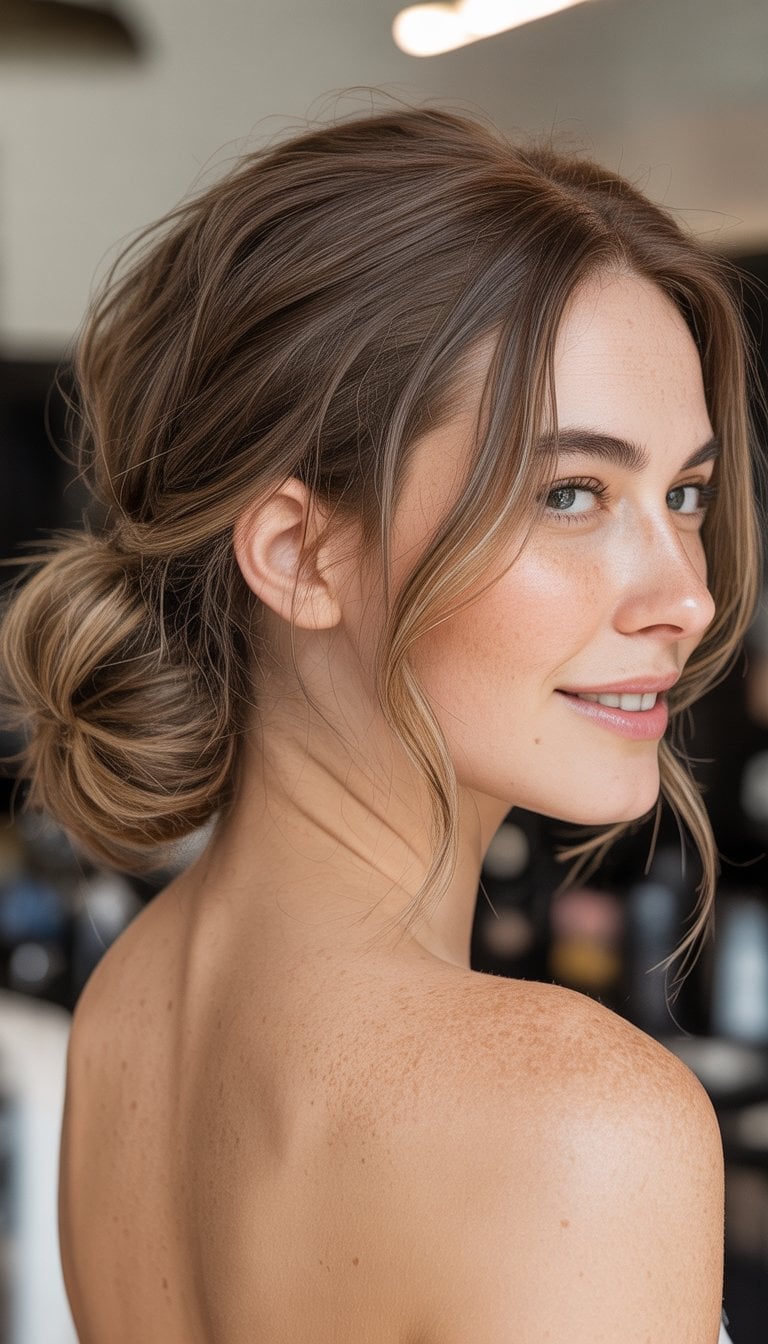
Can you get a low puff with collarbone-length hair? Yes, if you keep the bun loose and let the curtain bangs frame the face. The lob baseline means the bun sits smaller and softer, which works for medium density wavy hair that would get swallowed by a tighter wrap. Ask your stylist for: collarbone lob with a loose low bun and curtain bangs. A spritz of texturizing spray gives the bun grip without deflating the waves. The lob needs a trim every six to eight weeks to keep the shape clean.
Low Bun With Face Framing Tendrils
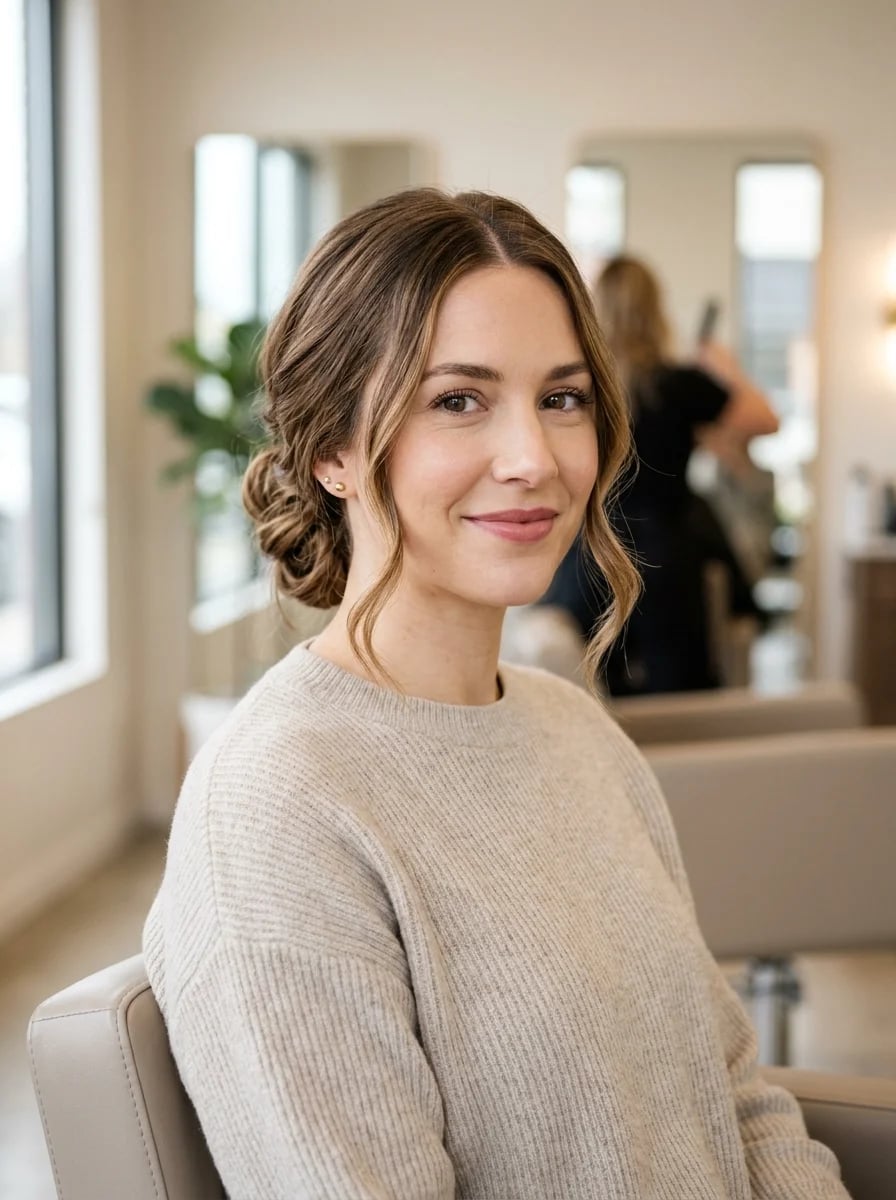
Loose tendrils are the point here, not afterthoughts. The bun sits low and tidy, while two face-framing pieces are left out from the middle part to soften the whole silhouette. Medium density wavy hair at collarbone length gives the tendrils enough weight to hold a soft wave. Ask your stylist for: low bun with loose face-framing tendrils and soft waves. The honest drawback is that tendrils need a fresh curl each morning; a curling wand takes about three minutes per side. This works for everything from a desk job to a dinner reservation.
Braided Crown To Voluminous Puff
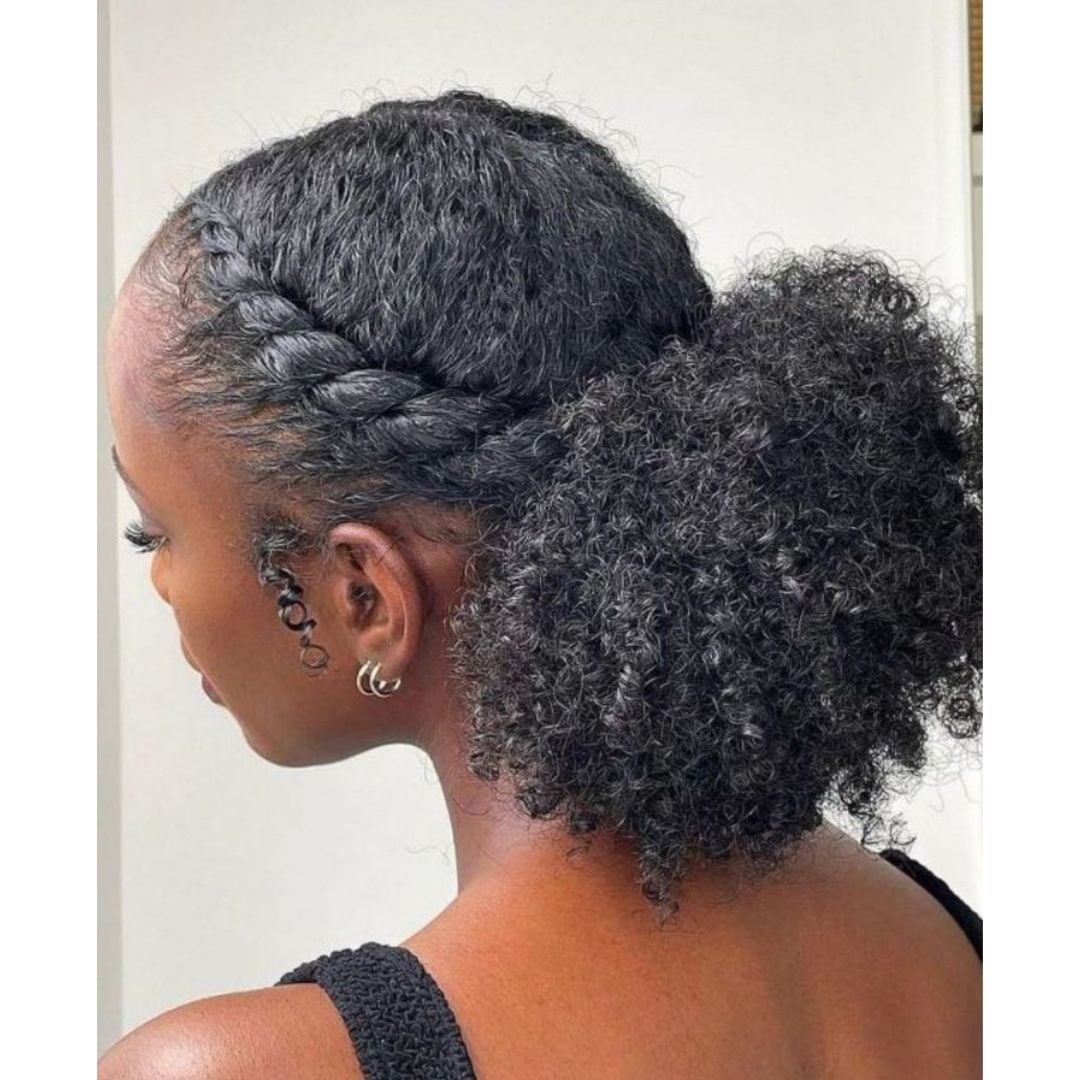
The braided crown starts at the temples and travels along the hairline, so the puff never looks like an afterthought. Two thick braids frame the head and meet low at the nape, where the remaining hair gathers into a full, curly puff. That contrast, sleek braid against dense coil, is what gives the style its weight.
Ask your stylist for: two thick braids leading to a voluminous curly puff. The technique hinges on a clean parting: each braid should sit close to the scalp and stay taut, while the puff keeps its natural curl. Mid-back length gives the braids enough body to hold shape, and thick, coily texture keeps the puff from collapsing. A side view shows the braids wrapping the crown like a frame, which suits rounder faces by adding vertical lines. This braided crown puff works for festive occasions, but it is a salon build, not a five-minute updo.
The Versatile Afro Puff
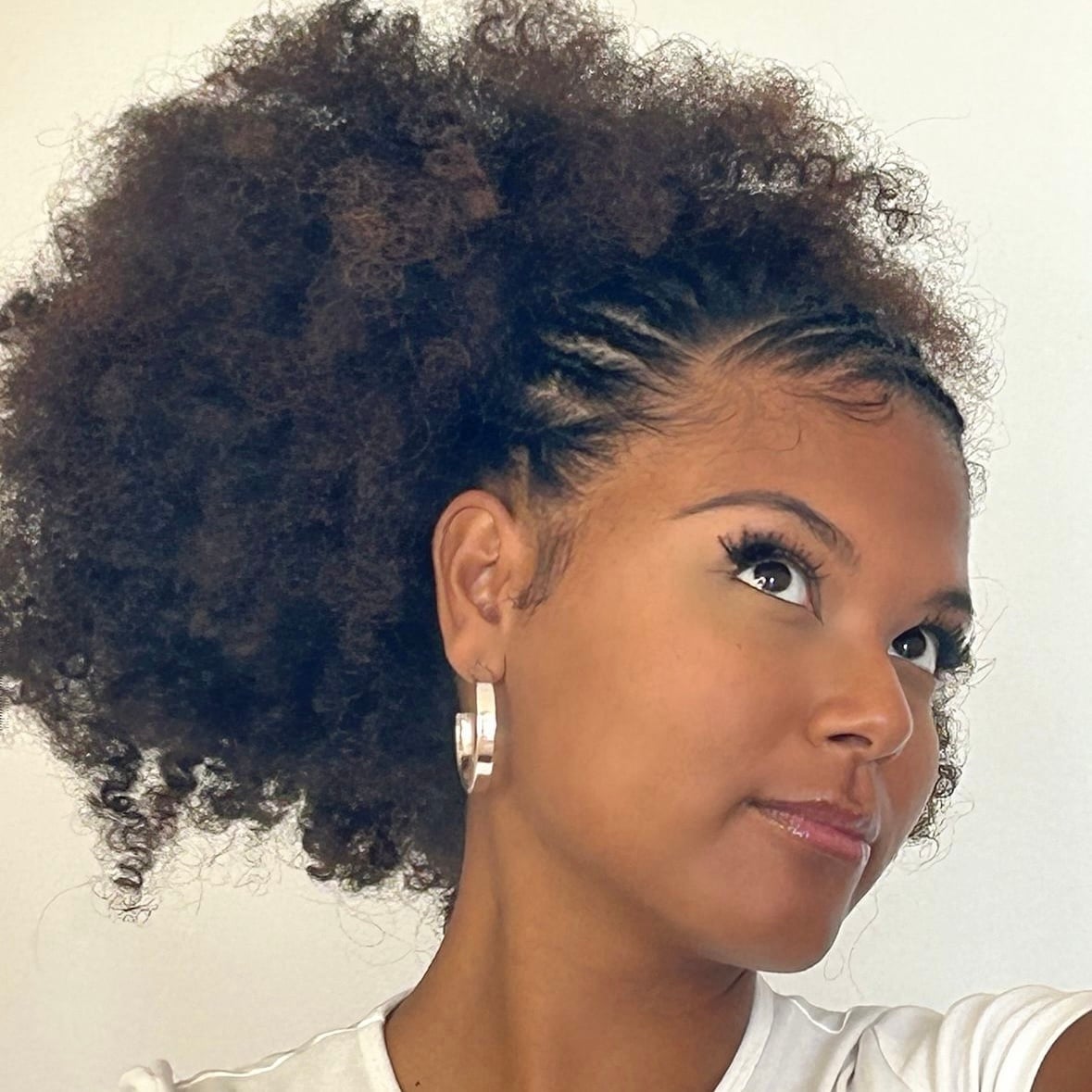
The afro puff is the rare style that looks deliberate without trying hard, but it asks for a specific texture. Naturally coily, thick hair of any length that can be gathered at the nape will hold the shape; fine or relaxed hair tends to flatten within hours. Ask your stylist for: a full, natural afro puff at the nape. The cut matters less than the gathering, so a rounded, dense silhouette comes from how the hair is pulled, not from layers. A satin-lined cap overnight preserves the puff’s shape, and the style works for everyday wear because it needs no heat and no elaborate parting. Skip it if your hair is thin at the edges, since the slicker the front, the more the puff is expected to carry the look.
Voluminous Natural Afro Puff
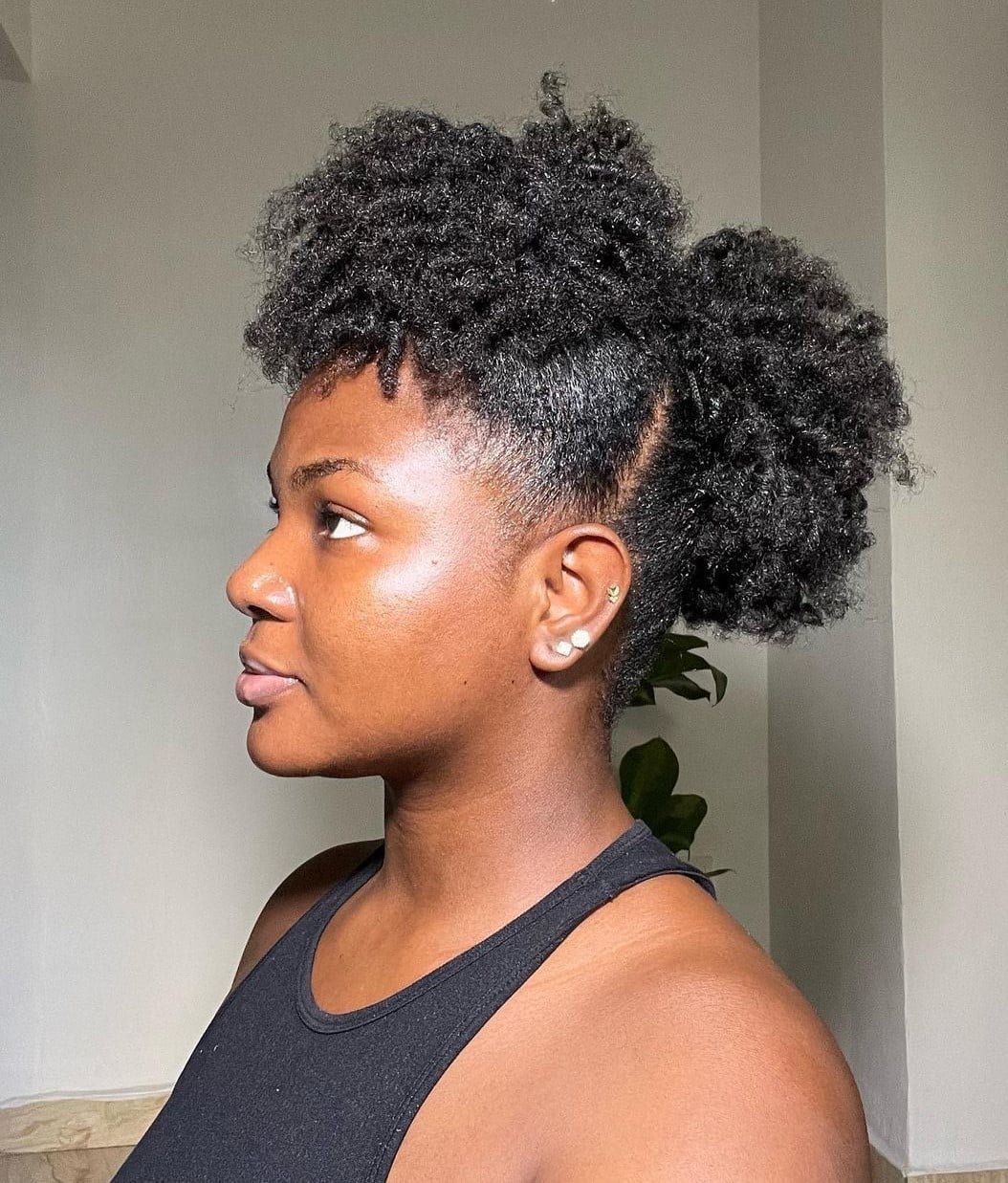
From the back, this puff is a full, rounded mass gathered low at the nape, and the volume is the point. Dense, coily texture gives it that rounded silhouette; straighter hair would need teasing or a bundle to fake it. Ask your stylist for: a voluminous, natural afro puff low at the nape. Mid-back length or longer is the starting point, because the puff needs enough hair to read as full rather than sparse. A middle parting keeps the front clean while the back does the talking, and that balance suits oval and heart-shaped faces. Upkeep is simple: a moisturizing cream defines the coils, and a satin bonnet at night keeps the shape from crushing. This is a DIY-friendly style once you learn the gather, though a salon can shape the puff for a rounder line.
Sleek Front Low Puff
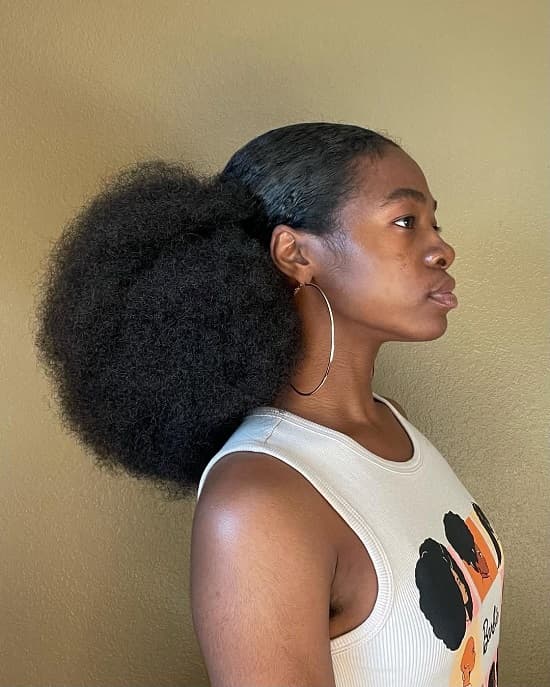
How does a low puff stay sleek at the front and still voluminous at the back? The answer is a clear separation between the two zones. Thick, coily hair is pulled back smoothly from the face, then released into a large puff at the nape, so the hairline stays flat while the puff keeps its full shape. Ask your stylist for: low puff with a very sleek front and voluminous texture. A middle parting anchors the sleekness, and edge control keeps the hairline smooth for the day. The style suits mid-back length and dense, coily texture, since fine hair struggles to hold both the sleek front and the volume. This is a salon build: the front needs precise tension, and the puff needs shaping, so expect about an hour in the chair rather than a quick home fix.
Polished Low Puff With Sleek Edges
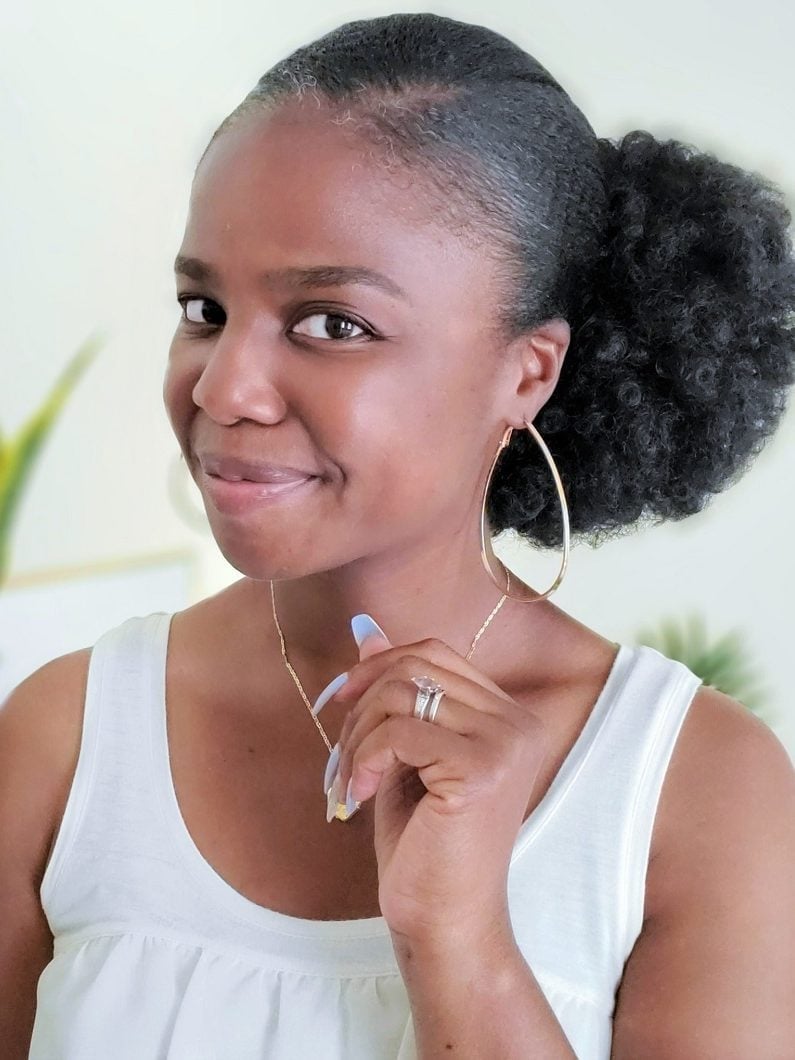
A practical rule for this look: the edges are the finish, so the words you use matter. Ask your stylist for: polished low puff with very sleek edges and a curly puff. The hair pulls back tightly around the hairline, creating a smooth frame, while the puff at the nape stays curly and voluminous. Shoulder length is enough, provided the hair is thick and dense, and a middle parting keeps the symmetry. The sleek edges suit formal settings, where a polished hairline is a deliberate choice. To keep the style sharp, apply a small amount of gel to a toothbrush for precise edge styling, and wrap a silk scarf overnight to preserve the sleekness. The puff needs a trim every eight weeks to keep its rounded shape.
Sleek Low Puff With Curly Texture
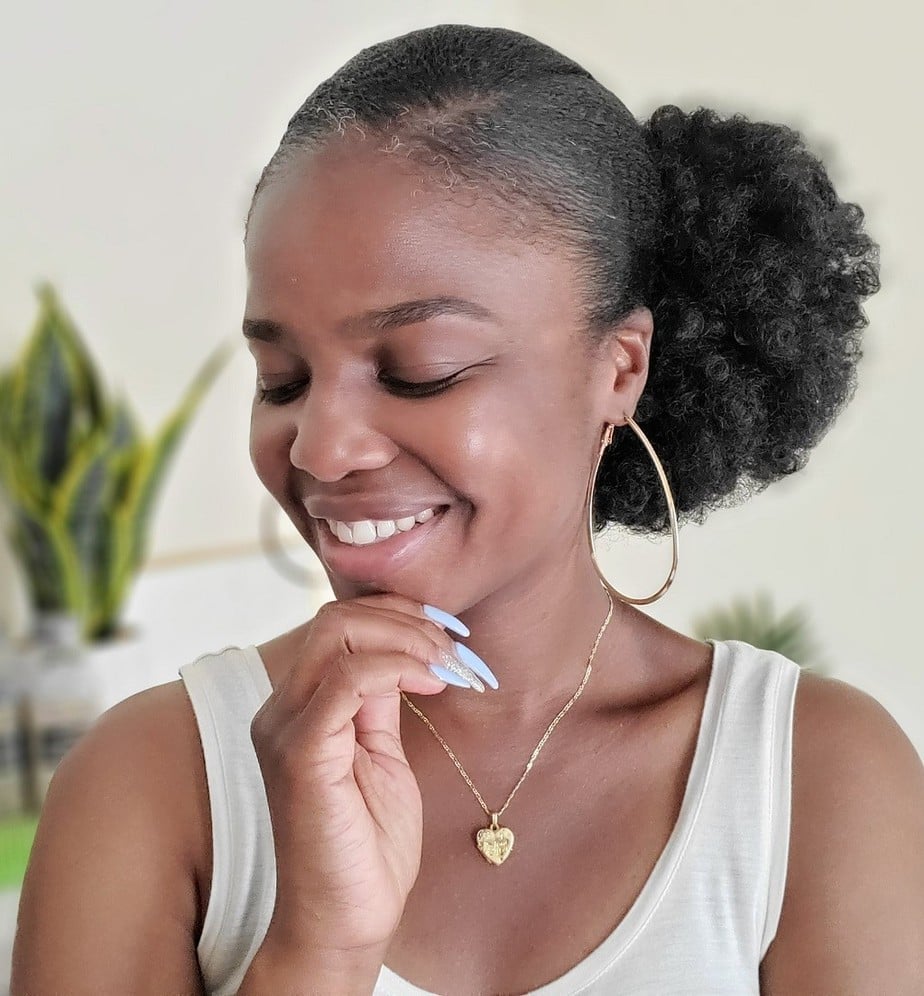
A sleek low puff sounds like a contradiction in terms, but the trick is in the contrast. The hairline is pulled back smooth and tight, while the puff at the nape stays dense, coily and voluminous. Thick, shoulder-length hair with natural curl provides enough weight to keep the puff from collapsing into a sad knot. Ask your stylist for a sleek low puff with a voluminous curly puff. The middle part keeps it symmetrical, though humidity can soften the definition faster than you would like. A light-hold hairspray on the front edges buys you a few more hours of polish.
Two Distinct Puffs Low Style
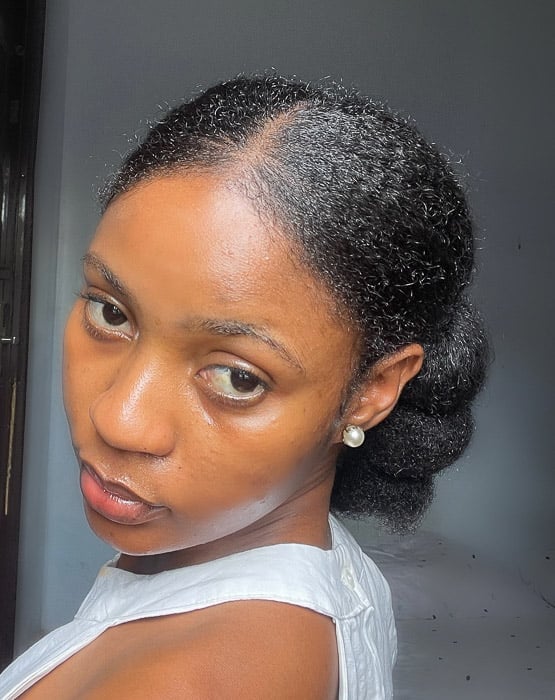
The coily, thick texture holds the puff contours without pins fighting for a grip. This is a salon design. Getting both puffs identical and the sides smooth takes a steady hand. Ask your stylist for two distinct low puffs with a side part and slicked back sides. Shoulder-length hair gives each puff enough mass to look clearly styled.
Full Low Puff With Middle Part
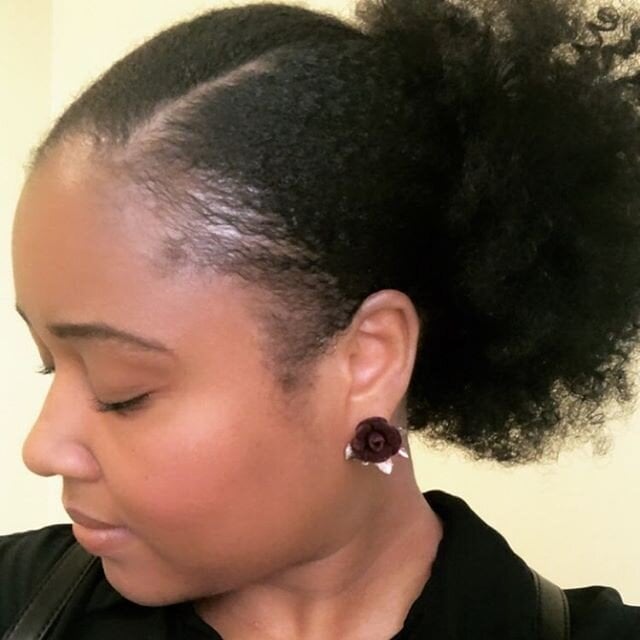
A middle part and a full puff at the nape, no bangs, no fuss. The hair is thick, coily and long enough to reach mid-back when loose, which gives the puff real heft. This one is genuinely DIY if your hair has the density to hold itself up. Start with damp, conditioned hair and a wide-tooth comb to define the part. Gather everything at the nape with a soft brush, then twist and pin the puff into shape. A satin scrunchie can replace pins if you want less tension.
The trick is not to over-smooth the puff itself; the coily texture is what gives it volume. A hydrating cream keeps the coils from drying out during the day. Re-finger-comb the puff if it flattens, and you are done.
Defined Coily Texture Low Puff
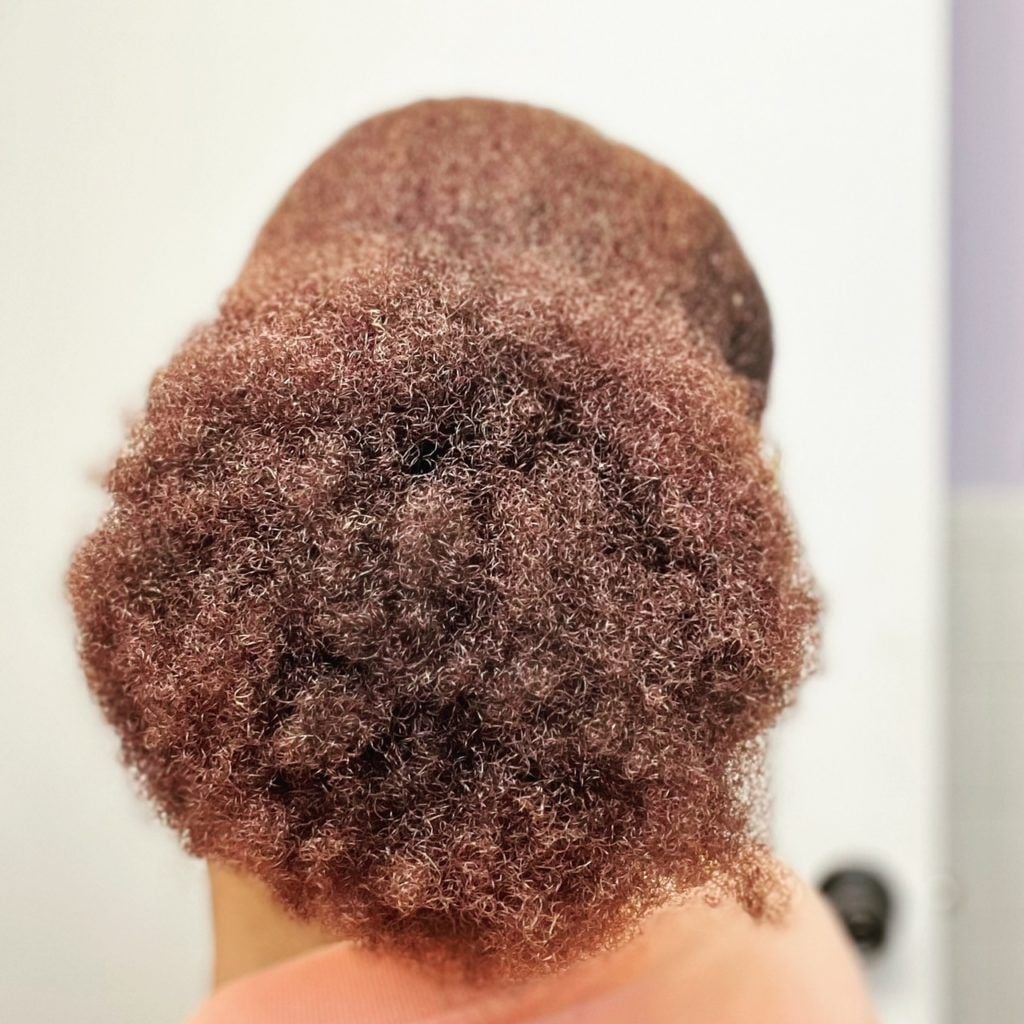
This low puff is for anyone whose hair does the work on its own. The coily texture stands out on its own. Every curl spring is visible, neatly shaped into a puff that sits low on the head. Neck-length hair is enough to build this, and medium brown hair shows the definition clearly. This style works well with thick, coily hair that holds a shape without product wrestling. Ask your stylist for a low puff with defined coily texture. A coil-defining cream applied to damp hair before styling will sharpen the curl pattern; a satin pillowcase at night keeps it intact until morning.
Shoulder Length Low Bun With Layers
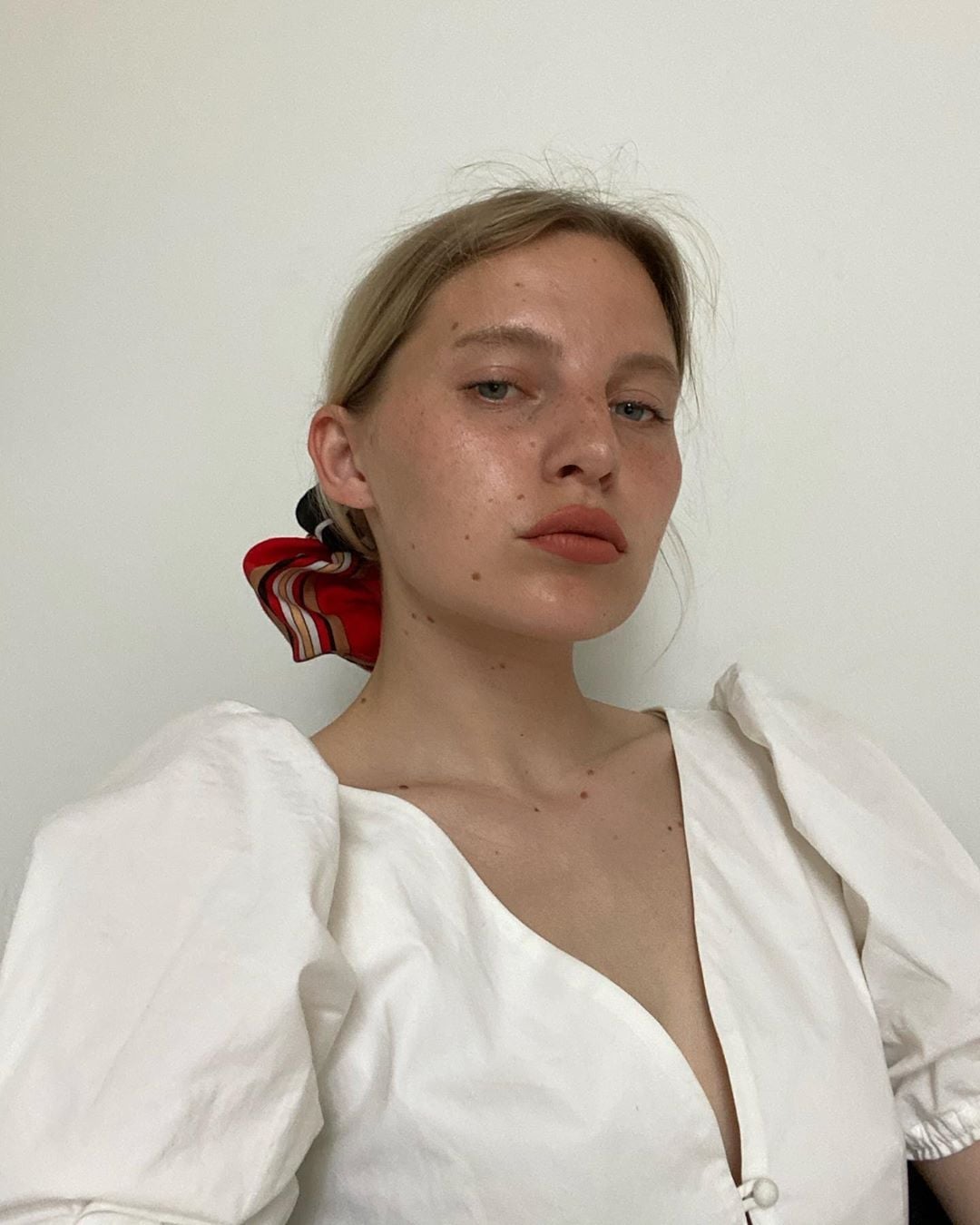
A low bun on shoulder-length hair risks looking like a sad tail, but soft layers save it. The layers break up the mass, so the bun has texture without appearing blunt. Thick, straight dark brown hair with a middle part and side-swept bangs keeps the front soft while the bun sits neat at the nape. Ask your stylist for a shoulder length low bun with soft layers. The layers themselves shorten the visible length when the hair is down, and the grow-out phase needs a trim every six to eight weeks to keep the shape clean. A texturizing spray around the bun helps the layers separate without turning fuzzy.
High Volume Dark Brown Puff
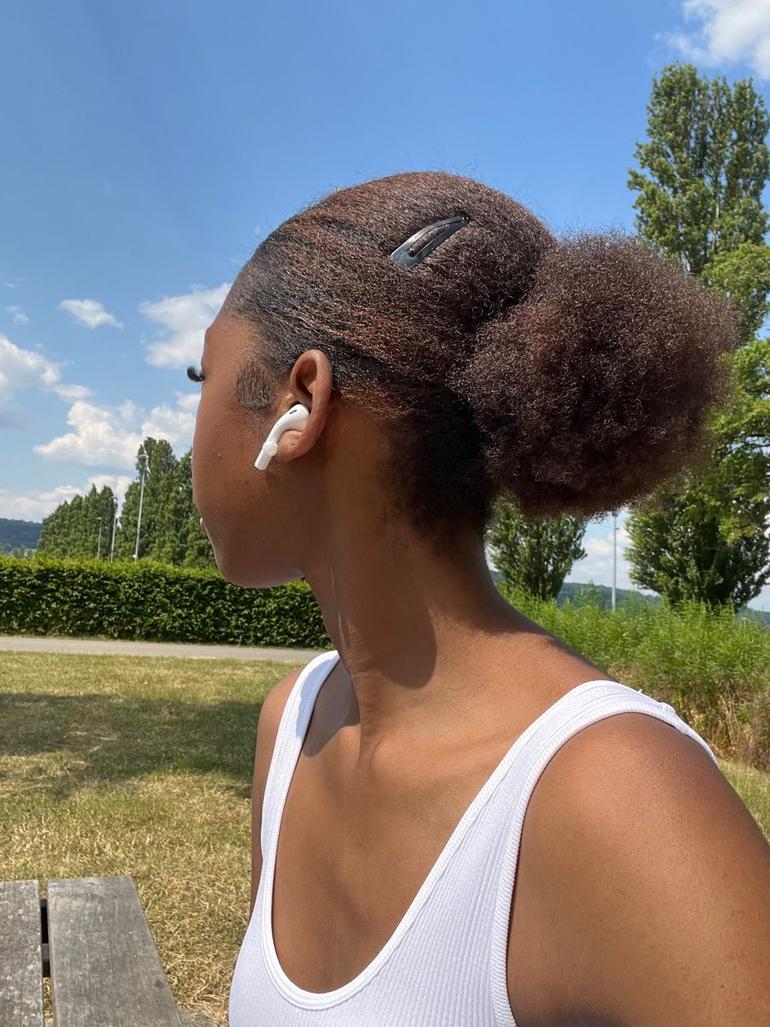
Wondering how to get that exact height without the whole thing collapsing by lunch? This version starts with thick, curly hair cut to mid-back length, no layers needed since natural curl already builds the shape. The middle part keeps the front hairline smooth while the puff rises from the crown, not the forehead.
Ask your stylist for: high volume curly puff with a smooth middle part. A volumizing mousse applied to damp hair before blow-drying gives the roots lift, and a strong hold spray locks the puff in place. With no bangs to trim, upkeep is just a shape-up every six weeks and a gloss treatment to keep that dark brown shade rich.
Final Thoughts
Fine hair: keep the puff base sleek and the edges brushed forward for maximum staying power. For textured hair, embrace the coil with a leave-in and a satin scarf overnight. A trim every six weeks keeps blunt lines crisp; a toning treatment at week four keeps highlights from brassing.
- Trim the baseline of blunt cuts every six to eight weeks for crispness.
- For textured puffs, use moisturizing conditioners and leave-ins weekly.
- Refresh sleek edges daily with a soft brush and light styling product.
- Toning for highlighted hair should be done every four to six weeks to maintain shade vibrancy.
The low puff remains a chic and adaptable hairstyle for any occasion.