I’ve been watching the colour requests shift in my stylist’s chair. More olive-skin clients asking for ash, for cool-toned blondes, for browns that don’t pull orange. It’s not a hard pivot, it’s a quiet correction: we’re done with warm tones that fight our undertones. 16 ideas later, I can tell you which ones actually hold.
This is Hair Color 2027 for Olive Skin, a range from low-maintenance glosses to full salon commitments. Some work on fine hair that goes flat by 4 pm, some need density. A few you can do at home with a box dye. Most require a booking. I’ve tested the grow-out on my own roots, and I know which ones buy you six calm weeks.
Dark Chocolate Brown With Ash Blonde Highlights
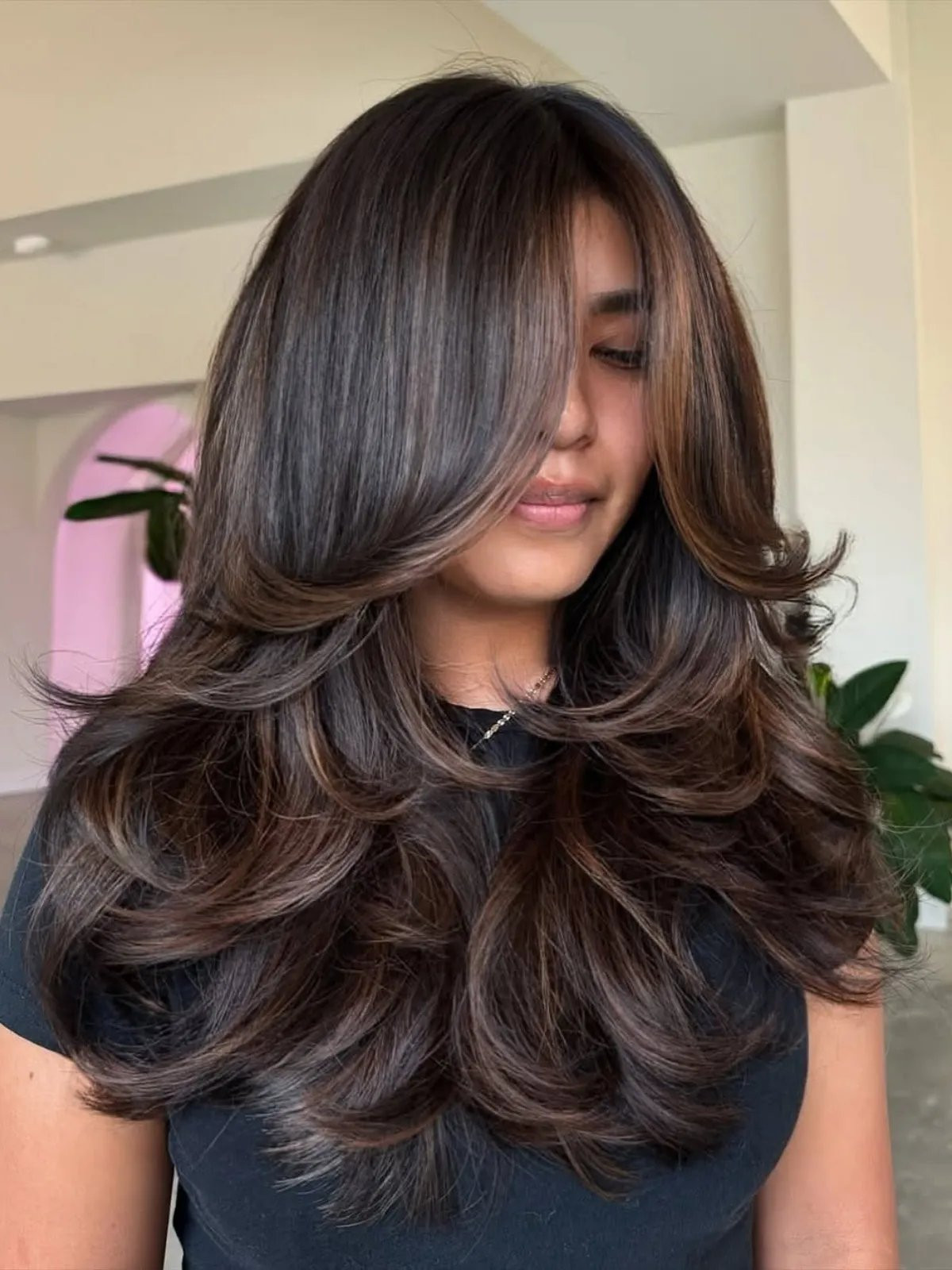
A dark chocolate brown base reads rich against olive skin, but it’s the ash blonde highlights that keep it from falling flat. The face-framing layers and curtain bangs catch the light, drawing attention to the cheekbones without washing out the complexion. Mid-back length gives enough weight to hold the voluminous blowout, and the thick, straight-to-wavy texture lets the highlights peek through without overpowering the base. The cool ash tone balances the warmth of olive skin, creating a contrast that feels intentional, not accidental. This is a color that works because it doesn’t try to match your skin, it sits next to it.
Collarbone Layered Ash Blonde
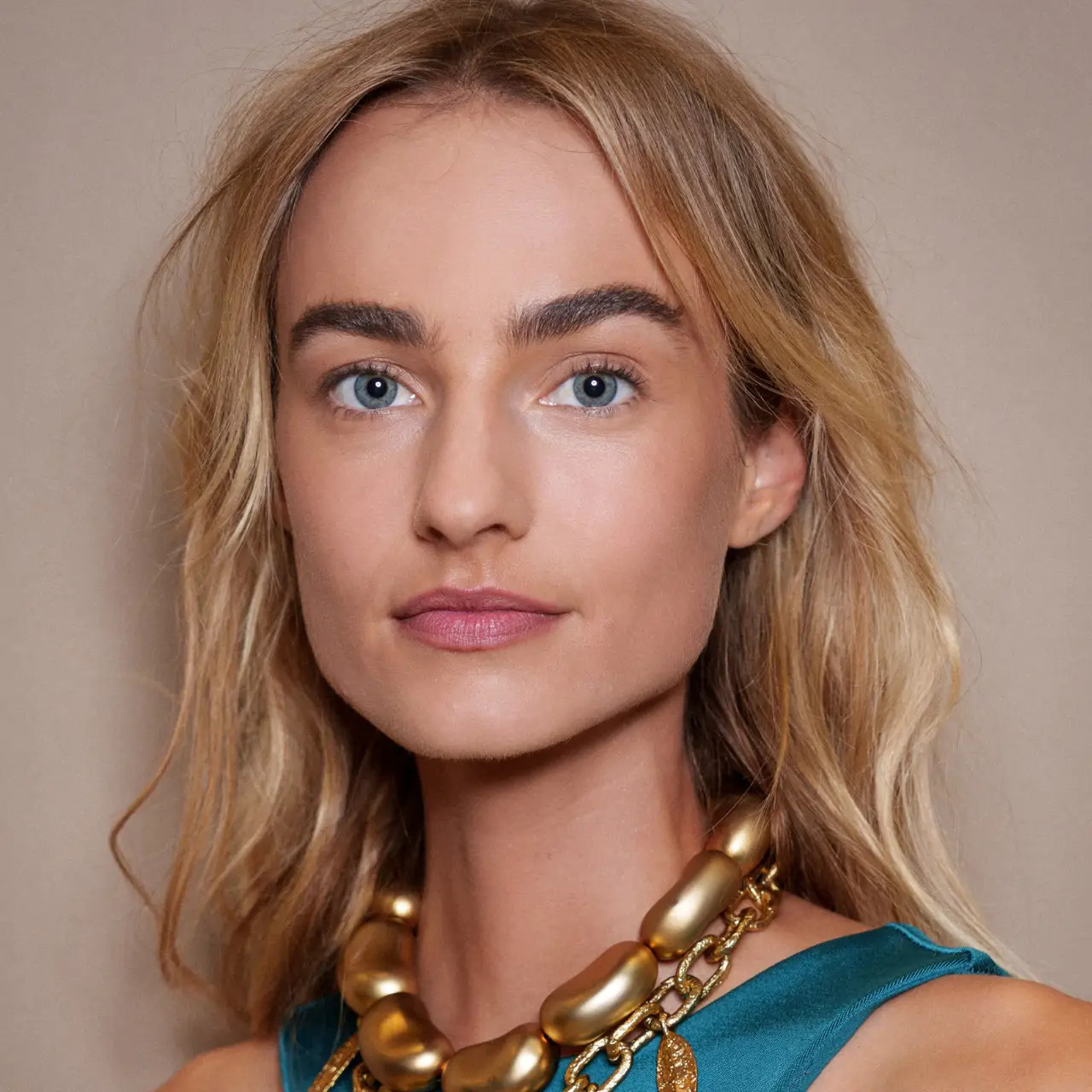
How does an ash blonde actually stay cool on olive skin? It’s all in the toning. The collarbone length layers let the fine, wavy texture air-dry with minimal effort, but the color demands a toner every eight to ten weeks to fight the brass that olive undertones can pull. Without it, the ash shifts warm. The subtle highlights add dimension without a full bleach, keeping the grow-out soft. Five minutes of styling, a regular toner appointment, and this stays fresh.
Dark Brown With Caramel Balayage
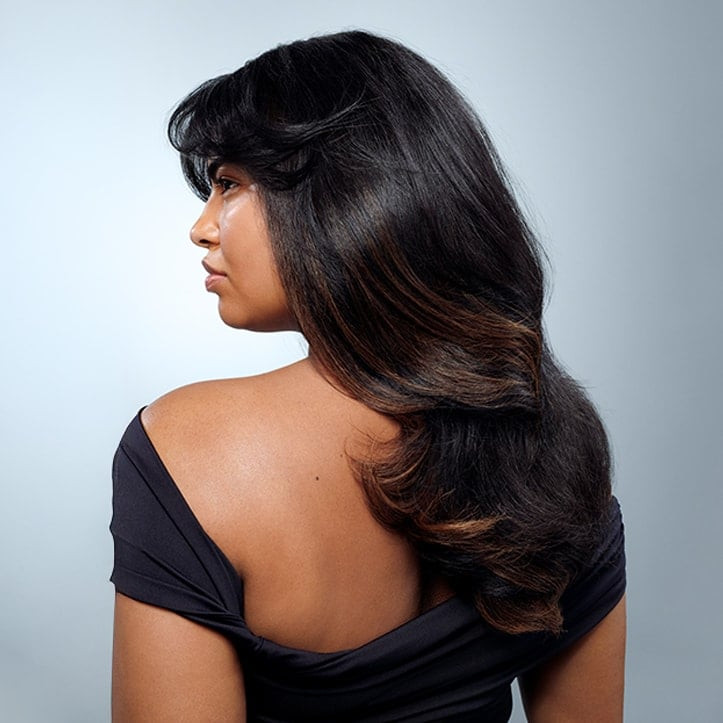
If you’re torn between a warm caramel and a cool honey, go caramel every time on olive skin. Honey can read too yellow, but caramel balayage on a dark brown base creates a dimensional warmth that doesn’t compete with your undertones, it complements them. Mid-back length with long layers and soft, loose curls shows off the balayage without needing a full head of highlights. The thick, wavy texture holds the curl pattern, so the color reads as movement, not stripes.
When you book, ask for a balayage that starts mid-shaft and keeps the root dark. This is a year-round color, equally at home at a summer wedding or a winter dinner. The contrast reads as polished without trying too hard, and it transitions between seasons without looking dated.
Ash Blonde With Darker Roots
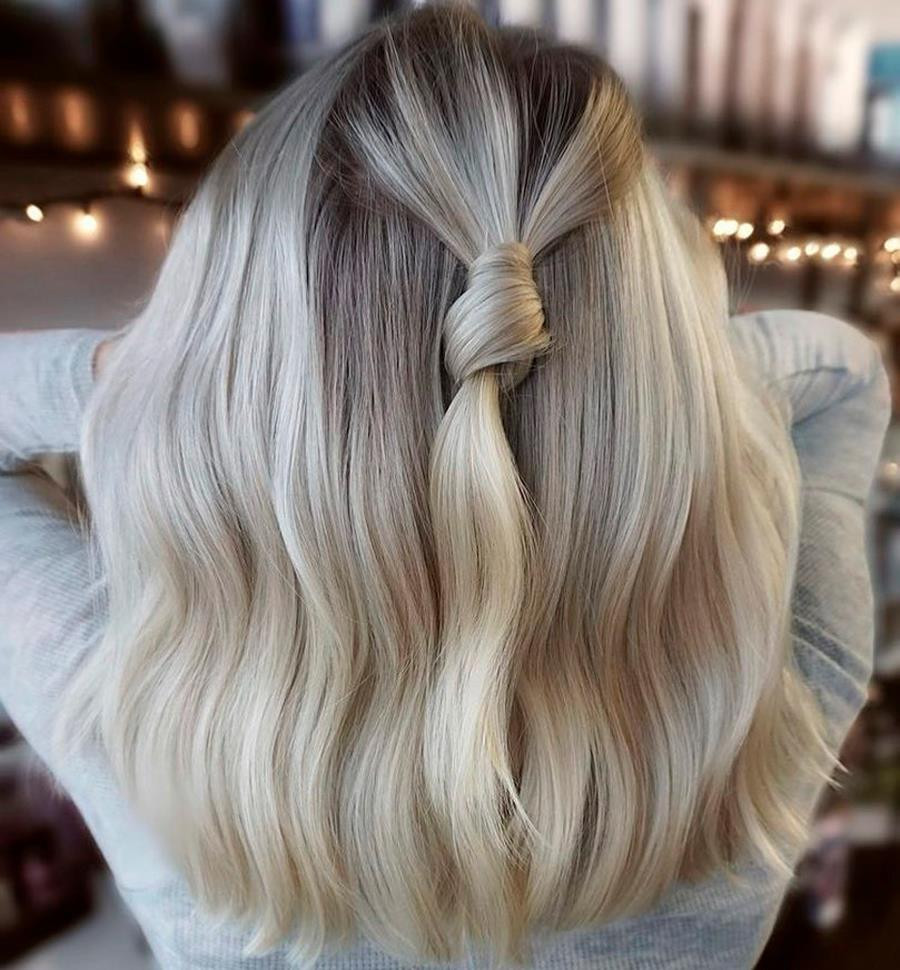
I’ll admit it: I was skeptical about darker roots on ash blonde. But the grow-out is the real win here. The collarbone length with layers lets the fine, wavy texture air-dry without looking flat, and the darker roots blur the line between salon and grown-out. The honest downside? Ash blonde can turn brassy fast on olive skin. A toner every ten to twelve weeks keeps it cool, and the darker roots buy you an extra week between appointments.
Dark Red-Brown With Auburn Undertones
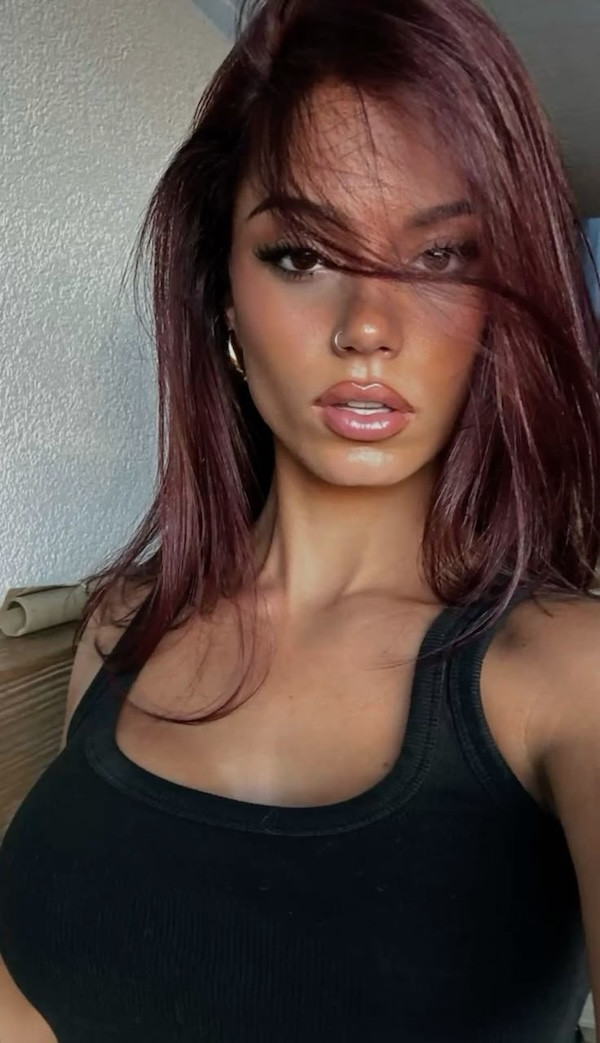
The first time I saw dark red-brown on olive skin, I stopped scrolling. It was a close-up, shoulder-length waves with side-swept bangs, and the auburn undertones caught the light like a secret. The richness of the color didn’t fight the warmth of the skin, it sat right next to it, deepening the complexion without dulling it. The wavy texture gave the undertones room to shift, and the side bangs framed the face without hiding it. This is the color that makes you look twice, not because it’s loud, but because it’s exactly right.
Dark Brown With Honey Blonde Balayage
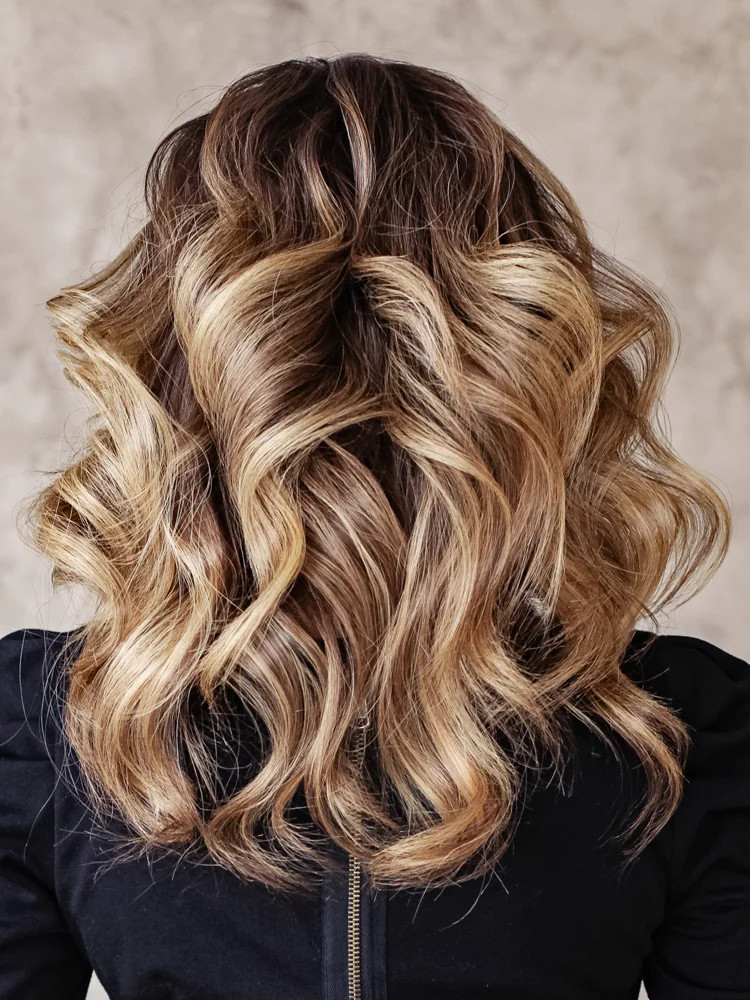
Have you ever looked at a photo and thought, that is exactly what my hair should be doing? This is that photo. A dark brown base keeps the roots honest, then the honey blonde balayage sweeps through the mid-lengths and ends like someone actually planned it. On thick, wavy hair the contrast reads dimensional instead of stripey, and the waves catch the light at different points. You could try this at home with a kit. I would not. The placement matters too much, one heavy hand and you have a chunk instead of a gradient. Book a stylist who does balayage daily, show them this photo, and let them paint.
Platinum Blonde With Ash Undertones
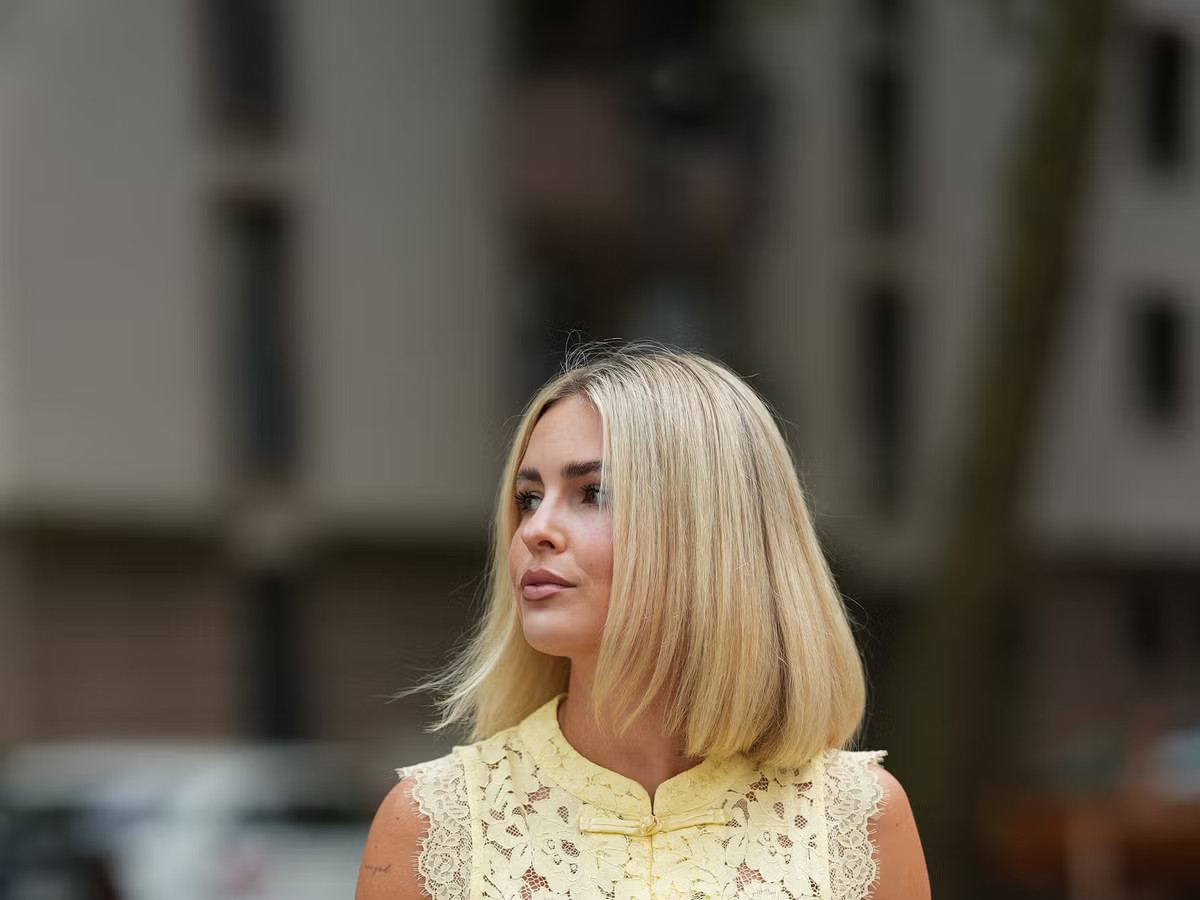
The base is white. Not cream, not butter, white. That is what platinum blonde means, and on olive skin the ash undertones keep it from going yellow by lunch. Getting there takes two sessions minimum, a bleach lift to pale yellow, then a toner that cancels the warmth. The honest downside: fine, straight hair shows every bit of damage. Split ends appear at week three. A chin-length bob helps because you trim the ends every six weeks anyway, and the short length means less hair to fry. If your hair is already fragile, skip this one. If it is healthy and you have a good stylist, expect four hours in the chair and a strict toner schedule.
Glossy Chocolate Brown With Warm Undertones
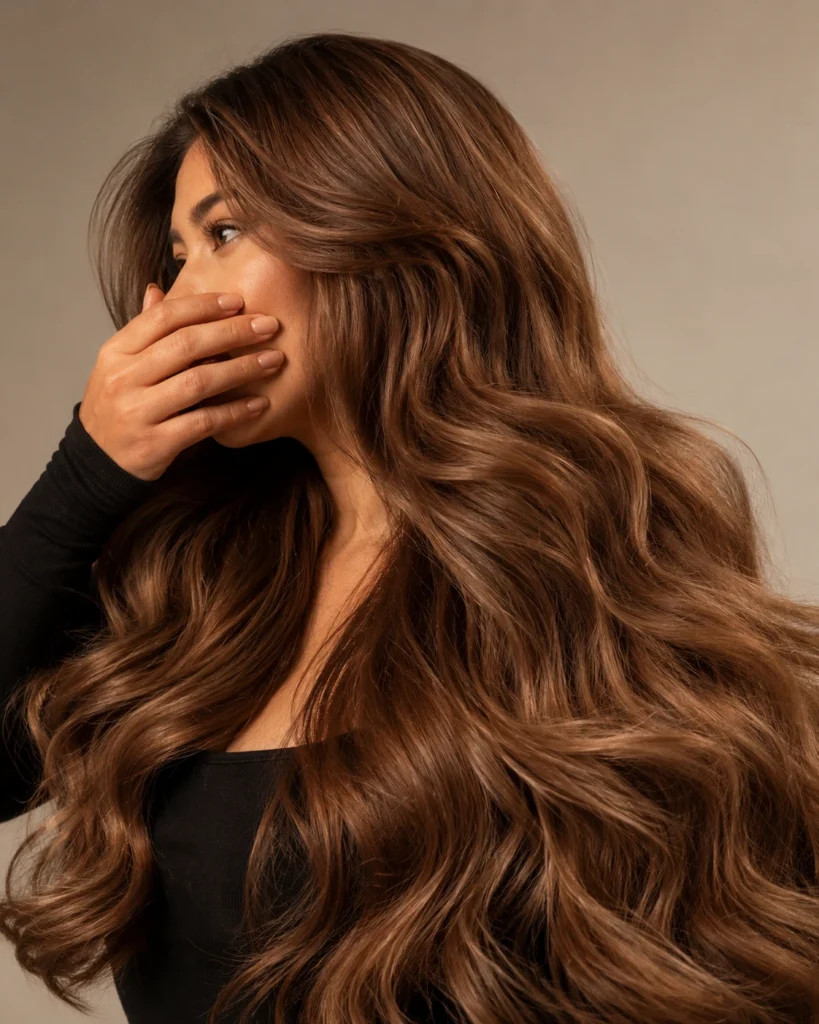
This is the colour that makes people ask if you just got a haircut when you only got a gloss. Rich chocolate brown with warm undertones reads expensive on olive skin, no highlights needed. The gloss is the trick: a professional colour gloss seals the cuticle and adds that wet-looking shine that home conditioner cannot replicate. It fades gradually over six to eight weeks, not in patches. Loose waves help the light bounce, and thick hair holds the wave shape all day. Mid-back length means the gloss product stretches further per application. Side part gives the wave a clean break.
Real week reality: day one is glossy. Day three is still glossy. Day five has a little root shadow, but the warm undertones blur the line. By week six you book the gloss appointment, not the full colour. That is the whole appeal.
Warm Brown With Caramel Highlights
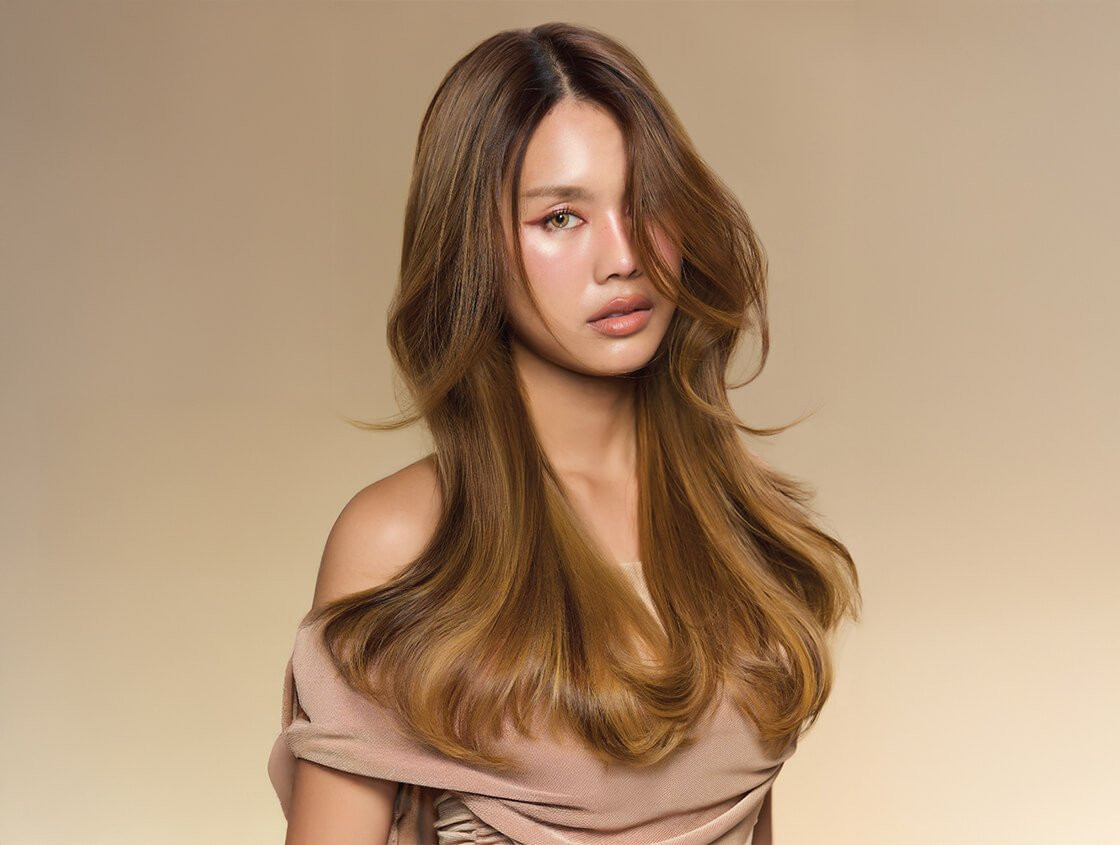
Leaves are turning, the light shifts to gold, and your hair should follow. Warm brown base with caramel highlights hits that autumn register without going full copper. The curtain bangs frame the front, and the wavy blowout pushes the caramel pieces forward so they catch the afternoon sun. Styling steps: rough dry the waves with a diffuser, then hit the curtain bangs with a round brush for thirty seconds. The balayage highlights need a refresh around ten to twelve weeks, but the warm brown base grows out soft, no harsh line. This is the colour for sweater weather and golden hour photos that need no filter.
Mid-Back Dark Brown With Caramel Honey Balayage
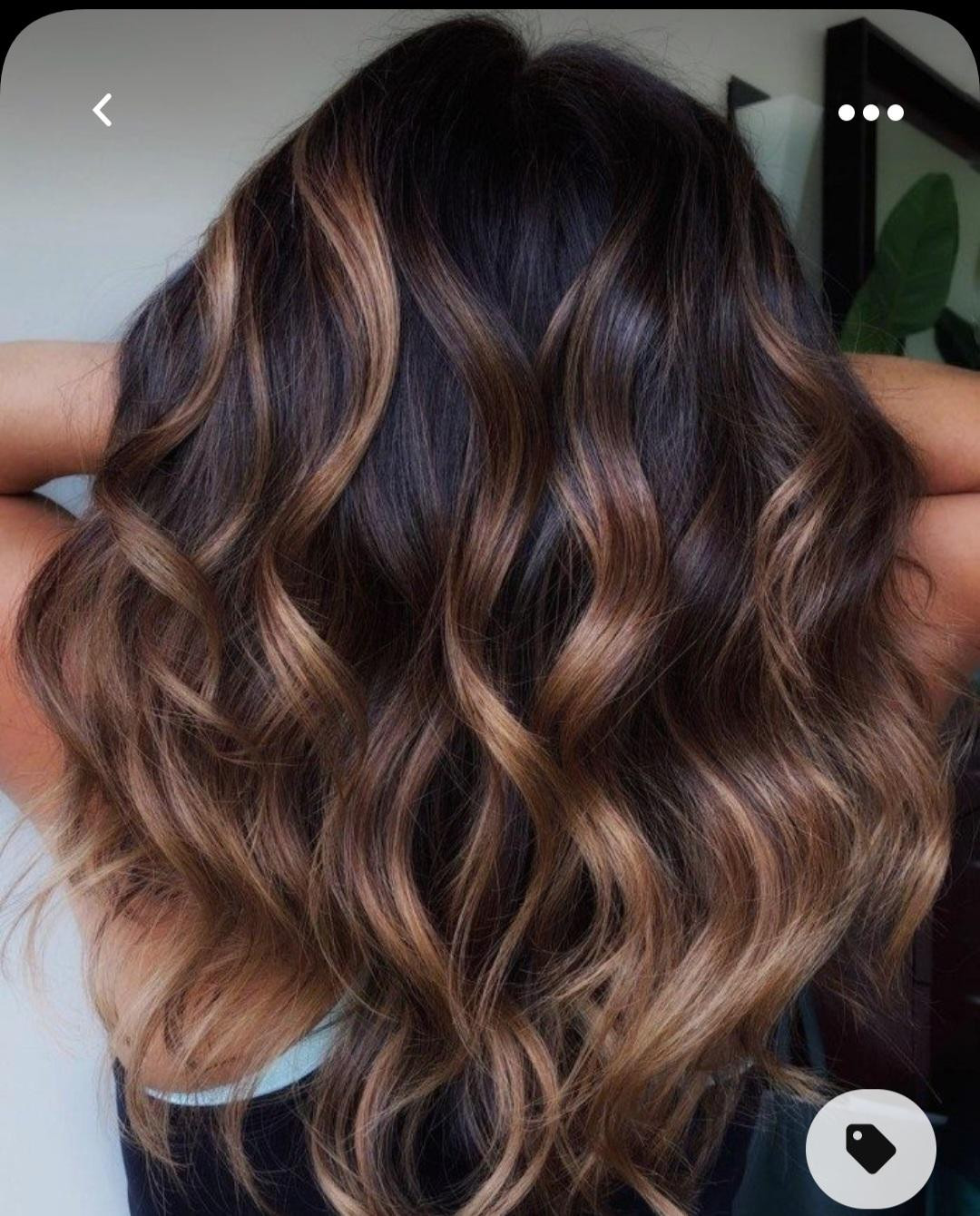
Which looks better on olive skin, caramel or honey? Both. That is the point of a caramel honey balayage. The dark brown base stays dark at the roots, then the balayage blends caramel and honey tones through the mid-lengths and ends, creating dimension that a single highlight colour cannot. The honest downside: maintaining that dimension takes work. After twelve weeks the honey tones fade warmer and the caramel darkens, so the contrast blurs. You need a toner visit around week eight to keep the two tones distinct. Loose waves help because the light hits each tone separately. Thick, wavy hair holds the shape without product, which is good because you already spent the effort on the colour.
Compared to a traditional foil highlight, this balayage grows out softer and needs fewer appointments. But the initial application takes longer and costs more in time. Worth it if you want a colour that shifts in the light instead of sitting flat.
Mid-Back Espresso Brown With Caramel Highlights
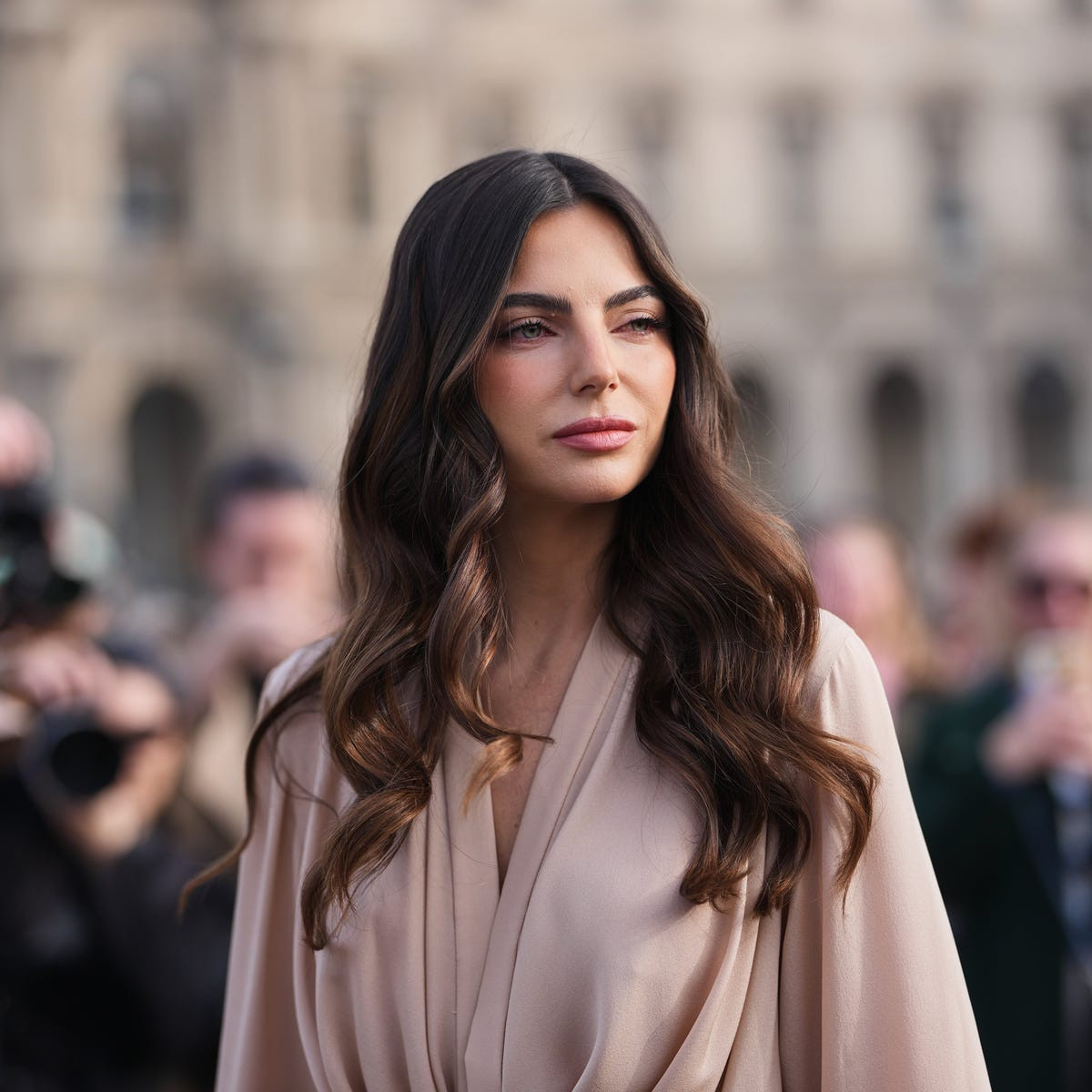
I’ll admit, I was skeptical that a dark base could do anything interesting on olive skin. Then I saw this mid-back length with its rich espresso brown and subtle caramel highlights, and the deep base reads cool against warm undertones without washing anything out. The loose waves catch the caramel pieces, and the middle part keeps it modern. Thick hair holds the wave best — fine hair might need a texture spray by hour three. It’s the kind of colour that looks expensive because it doesn’t try to be loud.
Warm Brown With Golden Blonde Balayage
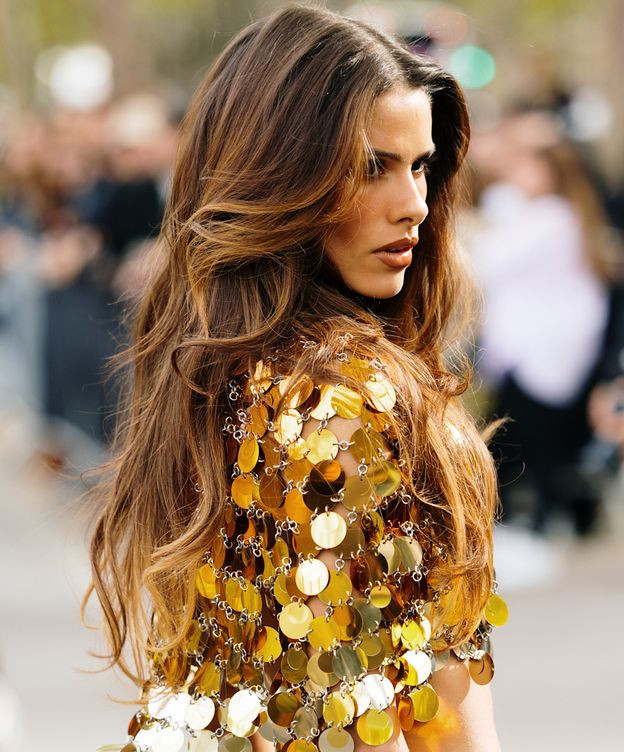
The balayage here starts low, almost at the jawline, so the warm brown base stays dominant at the roots and the golden blonde lightens only the mid-lengths and ends. That placement is deliberate: it mimics how the sun hits long hair from behind, not from above. The result is a sun-kissed effect that doesn’t scream highlighted. On olive skin, the warm brown neutralises any green cast while the golden blonde adds a soft brightness. Maintenance is about every ten weeks for a refresh, and the grow-out is forgiving because the line is soft. Loose waves help the colour read dimensional rather than stripey.
Copper With Rose Gold Highlights
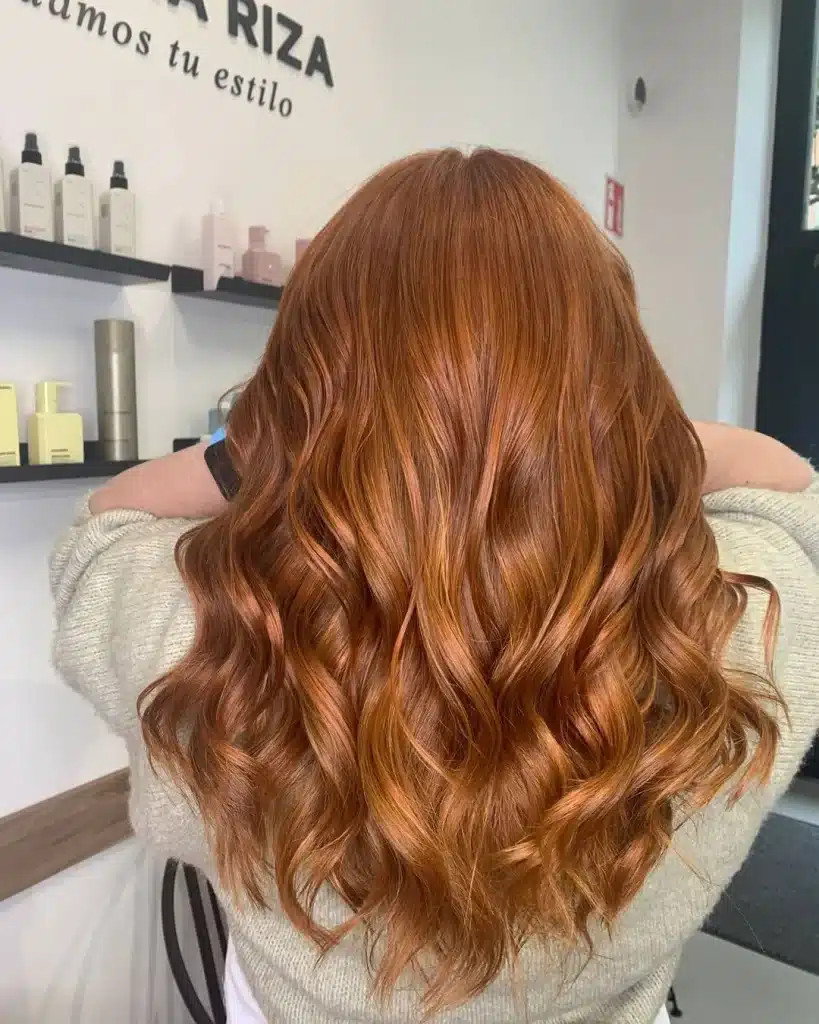
I watched a friend get this done. She walked in with mousy brown and walked out with a copper base that glowed against her olive skin, the rose gold highlights catching every angle of the salon light. The collarbone length and wavy texture gave the colour movement. She told me it took four hours and a professional — this is not a box dye situation, the rose gold shifts muddy if you try it at home. A colour-depositing mask every four weeks keeps it from fading to brassy orange. It’s a commitment, but the payoff is a tone that looks alive.
Brunette With Subtle Blended Highlights
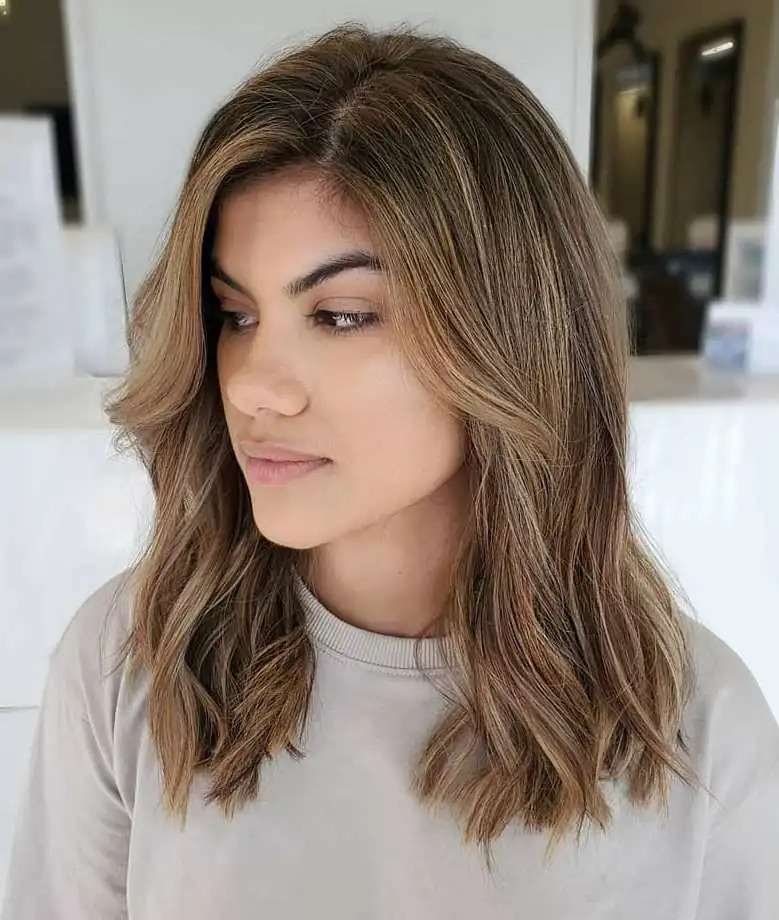
Can a colour be both low-maintenance and flattering? This one is. The brunette base is deep enough to anchor olive skin, and the subtle highlights are painted so finely that they read like natural dimension, not streaks. The collarbone length with face-framing layers keeps the colour close to the face, which is where it matters most. Honest downside: if your hair is fine, the layers can collapse by midday, and the highlights won’t lift enough to be visible. Medium to thick texture holds the shape and the colour better. Grow-out is invisible for about three months.
Medium Brown With Blonde Balayage
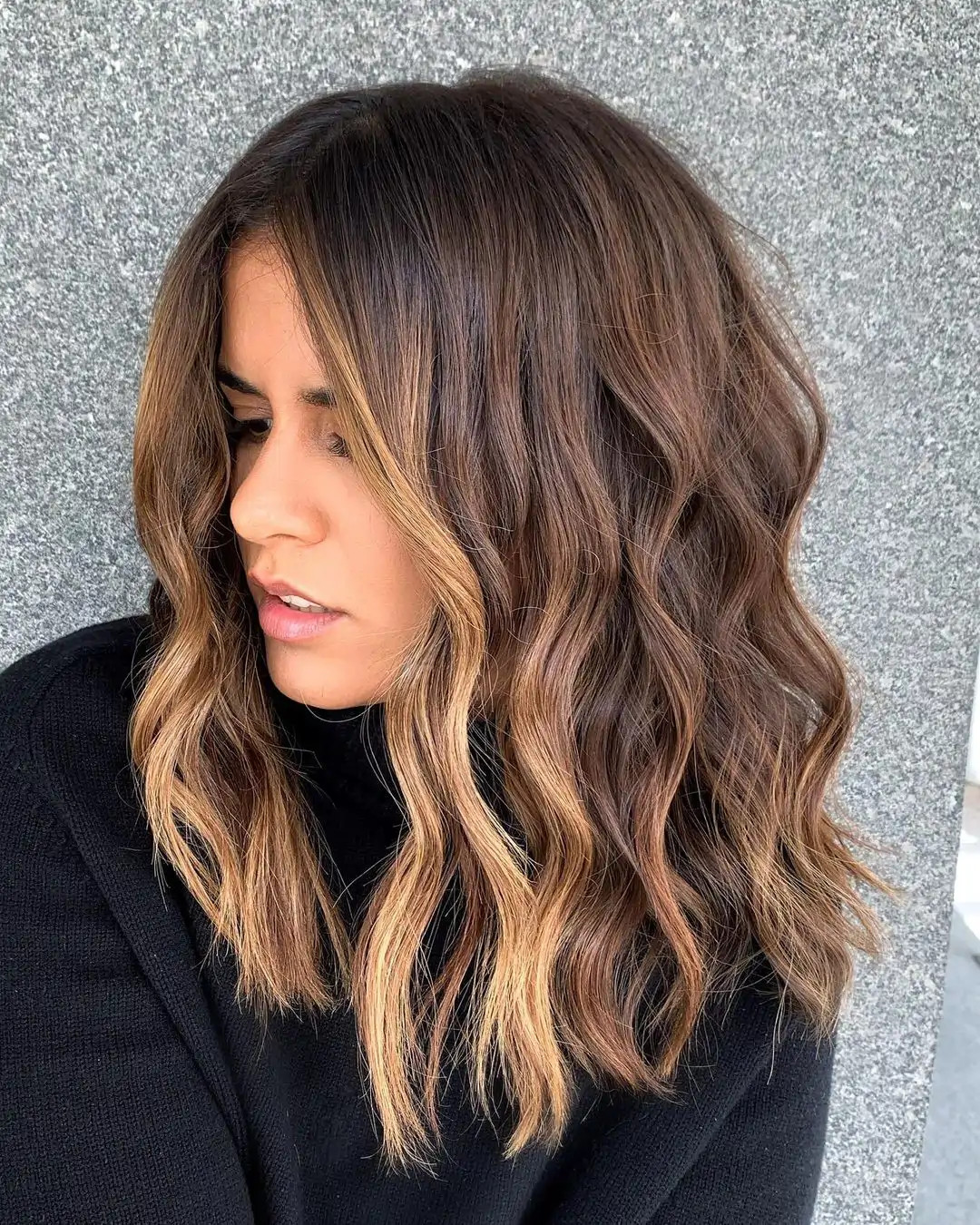
This is the balayage that actually works on olive skin. The medium brown base sits close to the root, keeping the contrast low, and the blonde balayage sweeps through the mid-lengths and ends in a soft, blended arc. The collarbone lob with curtain bangs frames the face without overwhelming it. The colour stays natural because the blonde is warm, not ash — ash would read grey against olive undertones. Curtain bangs need a quick blast with a dryer to keep their shape, but the balayage itself is low maintenance. A trim every eight weeks keeps the lob sharp.
Vibrant Pink On Olive Skin
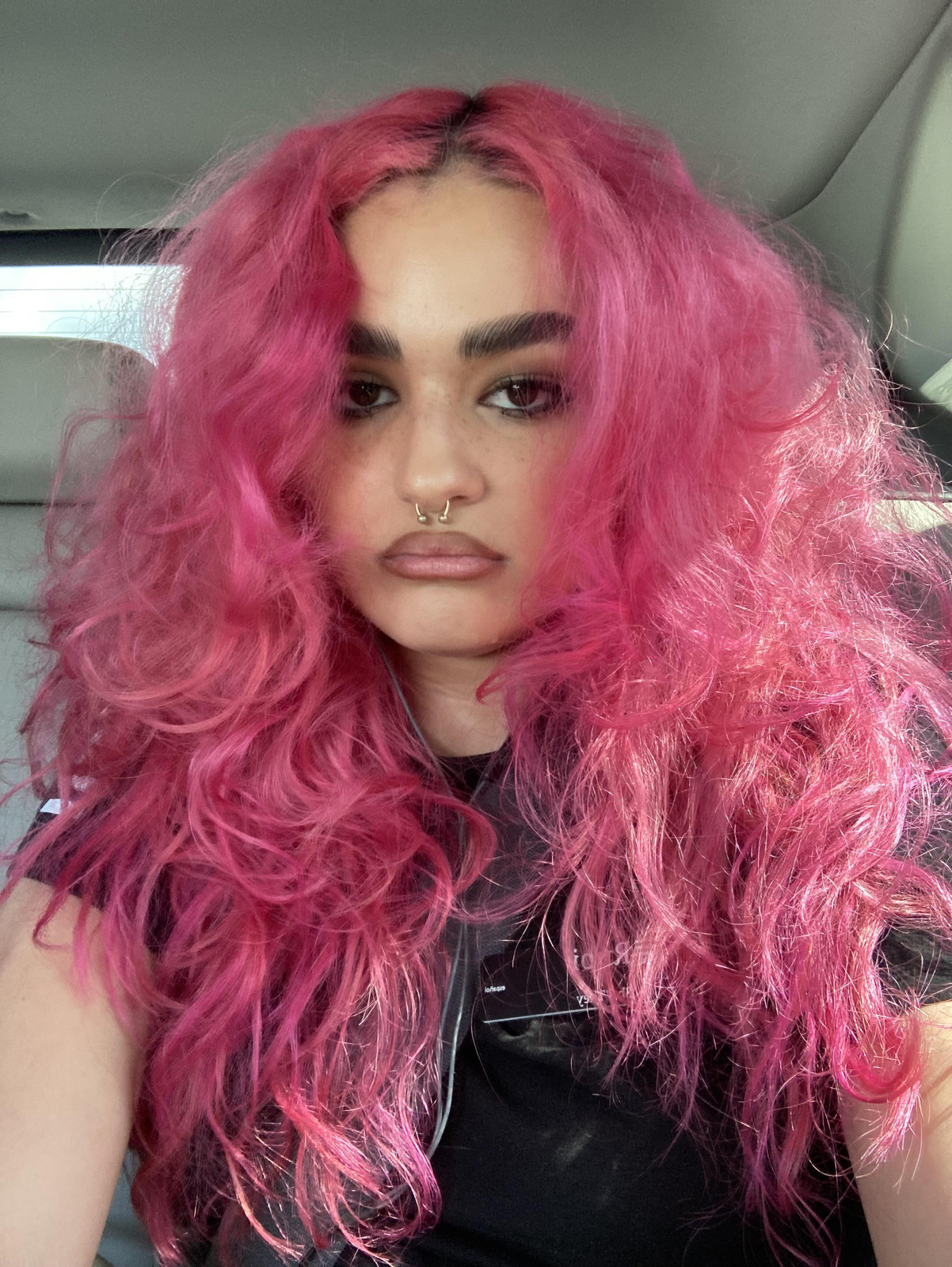
I’ll be honest: I tried vibrant pink at home once. It took three rounds of bleach, one emergency salon visit, and a lot of purple shampoo. But when it worked, the colour was electric. For olive skin, the right pink reads bold without looking washed out. This is a colour that demands a pre-lightened base at level 9 or higher.
- Colour: vibrant pink requires a pre-lightened base to at least level 9.
- Technique: apply a semi-permanent pink dye evenly from root to tip; avoid patchy application.
- Tone: a cool-toned pink (magenta-leaning) stays truer on olive skin than a warm coral.
- Length: mid-back hair needs about two bottles of dye for full saturation.
- Texture: wavy hair holds the colour well, but pre-lightening adds porosity that can cause uneven absorption.
The catch? Pink fades fast. Expect to refresh every three to four weeks, and keep a purple shampoo on hand to fight orange undertones. This is not a set-it-and-forget-it colour. Start with a strand test if you’ve never bleached at home.
Final Thoughts
After writing all 16 of these, I noticed something: the ash tones and the warm ones both work, but they work on different olive skins. Cool undertones want ash. Warm undertones want caramel. I ignored that for years, and my colour always looked slightly off.
I’m booking the dark chocolate with ash blonde highlights next. It’s the one that makes me look like I actually planned my hair colour, not like I just let it happen.